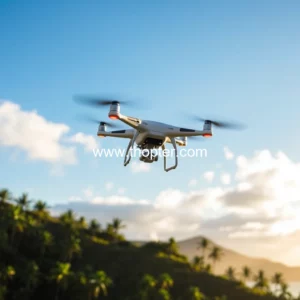
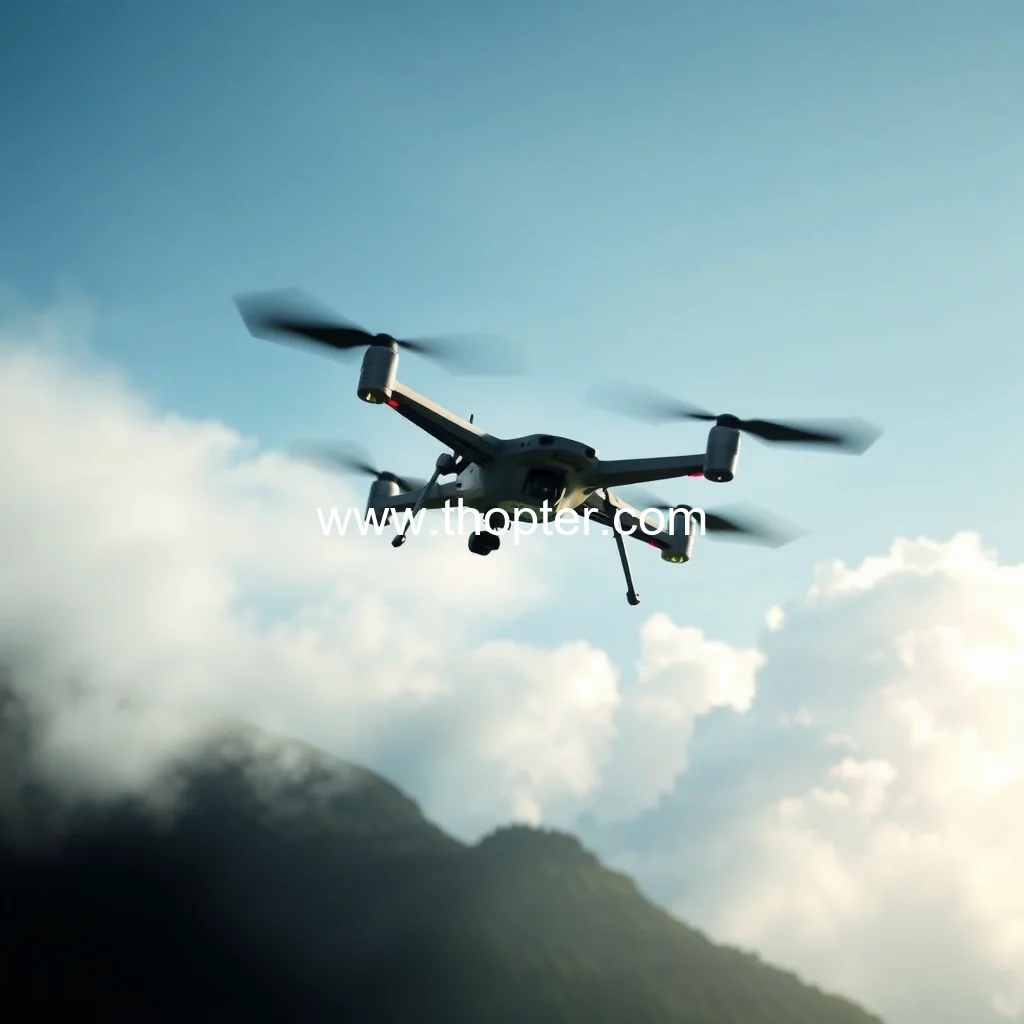
The Turkish company Bayraktar, based in Istanbul, Turkey, developed the TB2 drones, which are equipped with advanced sensors and a long-range communication system. The drones are used to gather data and transmit it to the Bangladesh Army’s headquarters for analysis. This technology is particularly significant in the context of the Indo-Bangladesh border dispute. The border dispute has led to tensions between Bangladesh and India, with both countries having differing interpretations of the border’s original map.
The Indian military is also exploring the use of drones for surveillance and reconnaissance, leveraging their advanced sensors and high-resolution cameras to gather critical information about enemy positions and movements.
The Rise of Counter-Drone Strategies
The Indian military’s consideration of counter-drone strategies is a response to the growing threat of drones in the region. With the increasing use of drones for military and civilian purposes, the risk of drone-based attacks has become a significant concern.
The Indian Air Force (IAF) has also been actively involved in the development of its own indigenous drone program, with the aim of creating a self-sufficient drone industry in the country.
Enhancing Drone Capabilities
The Indian Air Force (IAF) has been actively involved in the development of its own indigenous drone program, with the aim of creating a self-sufficient drone industry in the country. The program, which began in 2015, has seen significant progress in recent years, with the IAF successfully testing several prototypes and demonstrating their capabilities.
Key Features of the Indian Drone Program
Acquiring Predator Drones
In October, a major agreement was made to acquire 31 Predator drones from the US.
The Indian Air Force (IAF) has been actively involved in the development of these systems, which are designed to detect and intercept enemy drones.
Indian Air Force Develops Homegrown Drone Detection and Interdiction Systems
A Growing Concern for India
The threat of enemy drones has been a growing concern for India in recent years. With the increasing use of drones by terrorist organizations and neighboring countries, the Indian Air Force (IAF) has recognized the need to develop its own drone detection and interdiction systems. These systems are designed to detect and intercept enemy drones, providing a significant advantage in terms of air defense.
Key Features of the Integrated Drone Detection and Interdiction Systems
The Indian Air Force’s Integrated Drone Detection and Interdiction Systems are designed to provide real-time detection and tracking of enemy drones. Some of the key features of these systems include:
Development and Testing of the Systems
The development of the Integrated Drone Detection and Interdiction Systems has been a collaborative effort between the Indian Air Force and various defense research organizations. The systems have undergone rigorous testing and evaluation to ensure their effectiveness and reliability.
Implications for India’s National Security
The development of the Integrated Drone Detection and Interdiction Systems has significant implications for India’s national security.

news is a contributor at Thopter. We are committed to providing well-researched, accurate, and valuable content to our readers.