
The Rise of Unmanned Aerial Vehicles (UAVs) in Modern Warfare
The use of Unmanned Aerial Vehicles (UAVs) or drones in modern warfare has become increasingly prevalent in recent years. These unmanned aerial systems have revolutionized the way military forces operate, providing real-time intelligence, surveillance, and reconnaissance (ISR) capabilities. However, the latest development in UAV technology has taken the concept of drone warfare to a new level, with Russian forces utilizing explosive-packed drones connected to their operators by fiber-optic cables.
The Dangers of Fiber-Optic Cabled Drones
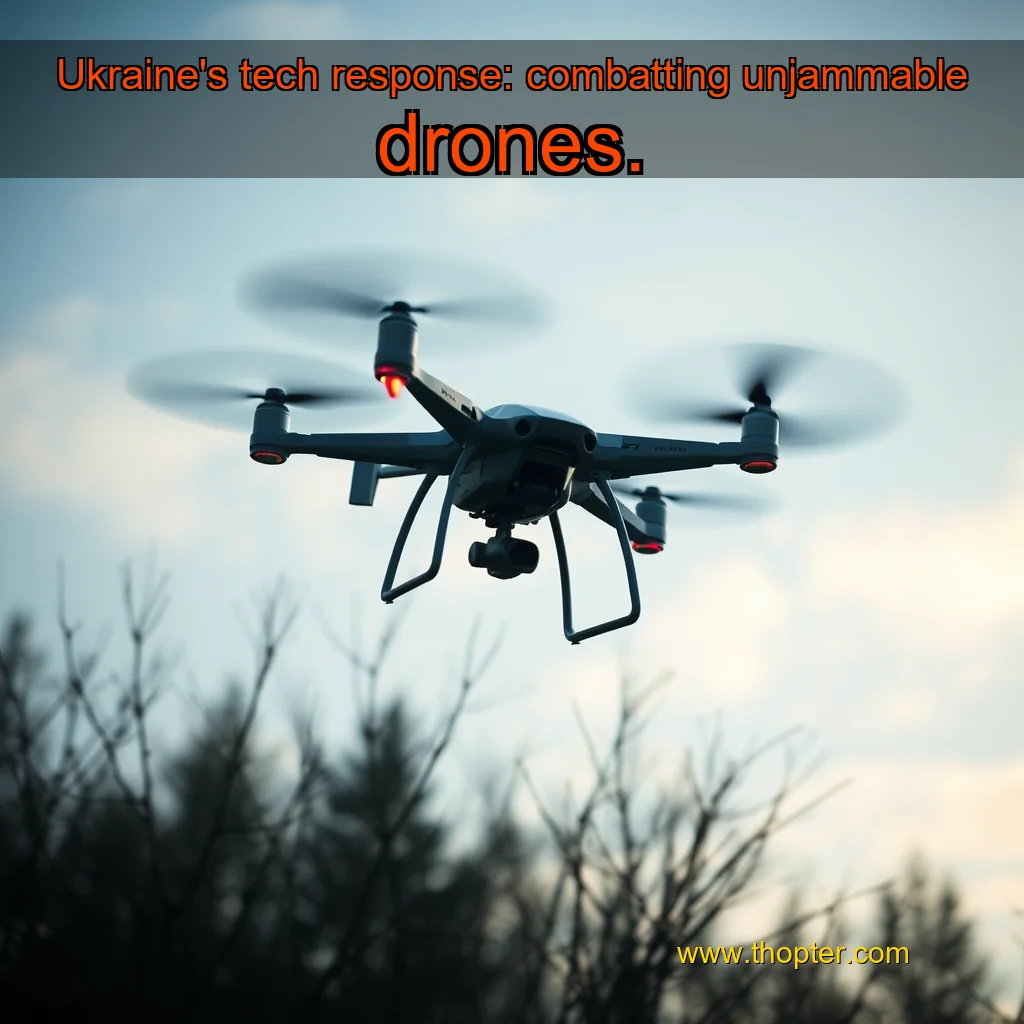
The use of fiber-optic cables to connect drones to their operators has introduced a new level of complexity and danger to modern warfare. These cables are difficult to detect and can be used to transmit sensitive information, making them a significant security risk. Moreover, the use of fiber-optic cables has also made it challenging for traditional electronic warfare methods to jam or disrupt the communication between the drone and its operator. Key characteristics of fiber-optic cabled drones: + Difficult to detect + Can transmit sensitive information + Challenging to jam or disrupt communication
The Challenge of Defending Against Fiber-Optic Cabled Drones
The use of fiber-optic cables in drones has also made it difficult for military forces to defend against these systems. Traditional electronic warfare methods, such as jamming or disrupting the communication between the drone and its operator, are no longer effective.
The Rise of Unmanned Aerial Vehicles (UAVs)
The increasing presence of unmanned aerial vehicles (UAVs), also known as drones, has become a pressing concern for governments and defense agencies worldwide. These unmanned aerial systems have revolutionized the way we capture images, conduct surveillance, and even wage war. However, their growing capabilities and increasing numbers have raised significant concerns about their potential misuse.
The Challenges of Detecting and Intercepting UAVs
One of the major challenges posed by UAVs is their ability to evade detection and interception.
The Rise of Fiber-Optic Drones
The use of fiber-optic drones has been on the rise in recent years, particularly in military and defense applications. These drones are equipped with cables that provide a stable and secure connection, allowing for real-time video transmission and control.
Key Features of Fiber-Optic Drones
They are used for surveillance and monitoring of the Russian military’s defensive positions.
Real-world testing begins next month for cutting-edge device.
Deployment and Production Plans
The device is currently in lab testing, and the next step is to deploy it in real combat conditions on the front lines next month. This marks a significant milestone in the development process, as it will provide valuable insights into the device’s performance and effectiveness in a real-world setting.
Key Deployment Details
Fiber-Optic Drones Revolutionize Conflict with High-Speed Data Transmission and Enhanced Security.
Both sides have been using drones for various purposes, including surveillance, reconnaissance, and even combat. However, the introduction of fiber-optic drones marks a significant shift in the conflict.
The Rise of Fiber-Optic Drones
The use of fiber-optic drones in the conflict between Russia and Ukraine has been a topic of interest for several months. These drones are equipped with advanced communication systems, allowing them to transmit data at high speeds and over long distances. This technology has the potential to revolutionize the way drones are used in combat.
Key Features of Fiber-Optic Drones
The Impact on the Conflict
The introduction of fiber-optic drones has significant implications for the conflict between Russia and Ukraine. On one hand, the use of these drones could provide a strategic advantage to both sides, allowing them to gather intelligence and conduct operations more effectively. Improved surveillance: Fiber-optic drones can provide real-time video feeds, allowing commanders to monitor the battlefield more effectively.
The Rise of Drone Technology in Ukraine
In recent years, Ukraine has witnessed a significant surge in the adoption of drone technology, driven by the country’s ongoing conflict with Russia. The Ukrainian government has been actively promoting the use of drones for various purposes, including surveillance, reconnaissance, and combat operations.
Key Features of the Ukrainian Government’s Drone Program
The Ukrainian government’s drone program is built around several key features, including:
Fiber-Optic Drone Demonstrations
The Ukrainian government has recently showcased its fiber-optic drone technology, which has generated significant interest and attention. The fiber-optic drones are equipped with advanced sensors and cameras that can transmit data through fiber-optic cables, providing real-time information to the ground control station. * Advantages of fiber-optic technology: The fiber-optic technology offers several advantages, including:**
- Improved data transmission: Fiber-optic cables can transmit data at much higher speeds than traditional wireless communication methods. Increased reliability: Fiber-optic cables are less prone to interference and can provide more reliable data transmission.
news is a contributor at Thopter. We are committed to providing well-researched, accurate, and valuable content to our readers.
You May Also Like