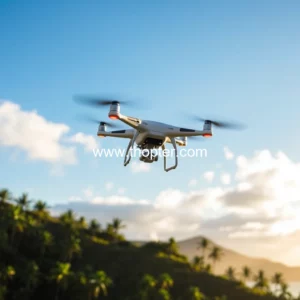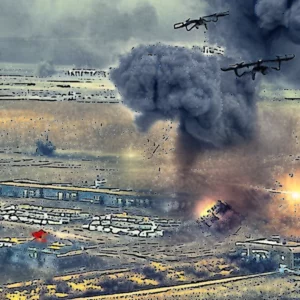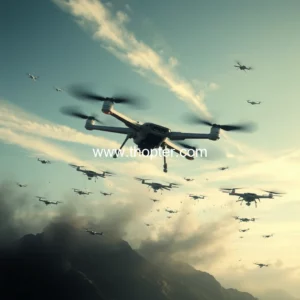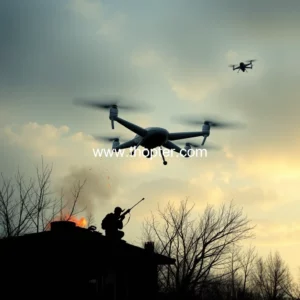

Ukraine has been actively developing its own AI capabilities, and the country’s military has been utilizing these systems to enhance its combat effectiveness.
The Rise of AI in Ukraine’s Military
The Ukrainian military has been rapidly adopting AI technologies to improve its combat capabilities. The country’s focus on AI development has been driven by the need to counter Russian aggression and protect its sovereignty.
Key AI-Driven Systems Used by Ukraine
The Rise of Autonomous Military Technology
The use of autonomous military technology, including drones, has been on the rise in recent years. This trend is driven by the need for more efficient and effective military operations. Autonomous systems can perform tasks that are too dangerous or difficult for human soldiers to accomplish, such as surveillance, reconnaissance, and combat.
Key Benefits of Autonomous Military Technology
The Role of Autonomous Drones in Military Operations
Autonomous drones are being used in a variety of military operations, including surveillance, reconnaissance, and combat. They are particularly useful in special operations, where they can be used to gather intelligence and conduct reconnaissance without putting human soldiers at risk.
Examples of Autonomous Drone Use
The Future of Autonomous Military Technology
The future of autonomous military technology is likely to be shaped by advances in artificial intelligence and machine learning.
The Ukrainian military has been using FPV drones for several years, and they have proven to be highly effective in various military operations.
The Rise of FPV Drones in Military Operations
The use of FPV drones in military operations has gained significant attention in recent years, particularly in Ukraine. The Ukrainian military has been utilizing FPV drones for several years, and their effectiveness has been proven time and time again. In fact, a Ukrainian official told Reuters in July that the target strike rate of most FPV units had fallen to 30%-50%. This may seem like a low success rate, but it’s essential to understand the context and the challenges faced by the Ukrainian military.
Challenges Faced by FPV Drones
FPV drones are not immune to the challenges faced by other military drones. One of the primary concerns is the reliability of the drone’s targeting system. The drone’s ability to accurately identify and engage targets is crucial, but it’s not always reliable.
Bendett stated, “The use of AI in the battlefield will be a game-changer, and it will be a game-changer for the next phase of the war.”
The Rise of AI-Operated Drones
The use of AI-operated drones in warfare has been a topic of discussion for several years. As technology advances, the capabilities of these drones are becoming increasingly sophisticated. The potential for AI-operated drones to revolutionize the battlefield is significant, and experts are predicting a major shift in the way wars are fought.
Advantages of AI-Operated Drones
Complex technologies fuel Ukraine’s fight against Russia.
The Ukrainian War Effort: A Complex and Dynamic Situation
The ongoing conflict in Ukraine has been marked by a series of complex and dynamic events, with both sides employing a range of tactics and technologies to gain an advantage. At the heart of this conflict is the use of advanced military technologies, including drones, artillery, and missile systems.
The Role of Drones in the Conflict
Drones have played a significant role in the conflict, with both sides using them for reconnaissance, surveillance, and even combat. Ukraine has been particularly effective in using drones to gather intelligence on Russian positions and movements, allowing them to target artillery and missile strikes on Ukrainian targets behind the lines. Key features of Ukrainian drone operations: + High-altitude reconnaissance drones, such as the Bayraktar TB2, have been used to gather intelligence on Russian positions and movements. + Low-altitude drones, such as the S-300P, have been used for close-range surveillance and targeting. + Ukraine has also developed its own drone capabilities, including the S-400 and S-500 systems.
The Use of Interceptor Drones
Ukraine has also been using interceptor drones to down Russian camera reconnaissance drones, which have been a significant threat to their military operations. These interceptor drones have been equipped with AI targeting systems, allowing them to identify and engage Russian drones with high accuracy. Key features of Ukrainian interceptor drone operations: + The use of AI targeting systems to identify and engage Russian drones. + The deployment of interceptor drones in key locations, such as near major cities and military bases.
The Rise of Autonomous Drone Technology
Autonomous drone technology has been gaining significant attention in recent years, with various companies investing heavily in research and development. One of the key players in this field is a company that specializes in creating autonomous targeting systems for drones.
The Benefits of Autonomous Drone Technology
Autonomous drone technology offers several benefits, including:
“Those things which are defended by electronic warfare … this system has enabled strikes on targets which previously it was not cost-effective to hit.”

news is a contributor at Thopter. We are committed to providing well-researched, accurate, and valuable content to our readers.