The Sky’s Evolution: Innovations Shaping Modern Aviation Technology
Air travel has transformed dramatically over the past century, driven by relentless innovation in aviation technology. From the Wright brothers’ first flight to today’s supersonic jets and autonomous drones, each advancement has redefined how we traverse the skies.
This article explores the cutting-edge technologies propelling modern aviation forward, focusing on their impact, challenges, and future potential for both commercial airlines and enthusiasts alike.
Pioneering Avionics Systems
Modern aircraft are equipped with sophisticated avionics systems that ensure safe and efficient operations. These digital cockpits integrate navigation, communication, weather monitoring, and flight control functions into centralized displays.
Radar altimeters now provide real-time elevation data, while autopilot systems handle routine tasks such as maintaining altitude and course. This reduces pilot workload and enhances overall safety during long-haul flights.
- Satellite-based Navigation: GPS and GLONASS enable precise global positioning, allowing for optimized flight paths and fuel efficiency improvements of up to 15%.
- Weather Radar Integration: Advanced radar systems detect turbulence, storms, and wind shear, enabling pilots to reroute flights proactively and avoid dangerous conditions.
Materials Revolutionizing Airframe Construction
Aerospace engineers have continually sought lighter yet stronger materials to enhance performance and reduce fuel consumption. Composite materials like carbon fiber reinforced polymers (CFRPs) now dominate airframe design.
These advanced composites offer exceptional strength-to-weight ratios compared to traditional aluminum alloys. For example, Boeing’s 787 Dreamliner uses approximately 50% composite materials, resulting in significant weight savings and extended range capabilities.
Advancements in Lightweight Alloys
Aluminum-lithium alloys represent another breakthrough in lightweight material development. These alloys combine the durability of aluminum with lithium’s low density, offering improved fatigue resistance and thermal stability.
Airlines using these alloys report reduced maintenance costs due to increased structural integrity under extreme temperatures and pressure changes typical at high altitudes.
Digital Transformation in Flight Operations
The integration of artificial intelligence and machine learning is revolutionizing flight operations through predictive analytics and automated decision-making processes.
Data-driven algorithms analyze vast amounts of operational data to optimize scheduling, minimize delays, and predict equipment failures before they occur. This proactive approach significantly improves fleet utilization rates.
The Rise of Sustainable Propulsion Technologies
In response to growing environmental concerns, aviation researchers are developing sustainable propulsion solutions to reduce carbon emissions. Electric and hybrid-electric engines are emerging as viable alternatives to conventional jet powerplants.
Companies like Airbus and Rolls-Royce are investing heavily in hydrogen-powered aircraft prototypes capable of achieving zero-emission flights within the next decade. These innovations align with international climate goals set by organizations such as ICAO.
- Battery Advancements: Solid-state batteries promise higher energy densities and faster charging times, addressing key limitations of current electric aircraft designs.
- Fuel Cell Integration: Hydrogen fuel cells convert chemical energy directly into electricity, producing only water vapor as a byproduct—an ideal solution for environmentally conscious aviation sectors.
Autonomous Aircraft and Drone Technology
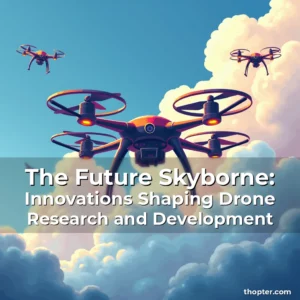
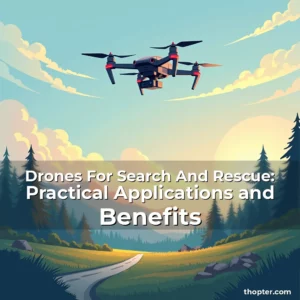
The emergence of autonomous aircraft represents a paradigm shift in aerial transportation. Unmanned aerial vehicles (UAVs) now perform critical roles ranging from cargo delivery to disaster relief operations.
Recent advances in AI-guided navigation allow UAVs to operate safely in complex environments without human intervention. Companies like Wing (a subsidiary of Alphabet Inc.) are already testing drone delivery services in select urban areas worldwide.
Evolving Regulatory Frameworks
Governments and aviation authorities face significant challenges in establishing regulatory frameworks for autonomous aircraft operations. Current regulations were designed primarily for manned aircraft, requiring substantial revisions to accommodate new technological realities.
New standards address issues related to airspace management, cybersecurity threats, and emergency landing protocols specifically tailored for unmanned systems operating in congested urban spaces.
Cockpit Automation and Human-Machine Interface Design
As automation becomes increasingly prevalent in modern cockpits, designers prioritize intuitive human-machine interfaces (HMIs) that balance functionality with usability considerations.
Tactile feedback mechanisms and voice-command systems help pilots interact seamlessly with onboard computers while minimizing cognitive load during critical phases of flight.
- Haptic Feedback Displays: Touchscreens featuring haptic responses simulate physical button presses, improving tactile awareness crucial for instrument panel interactions.
- Voice Recognition Software: Natural language processing enables pilots to issue commands verbally, reducing manual input requirements during high-stress situations.
Future Trends in Aviation Research and Development
Ongoing research focuses on hypersonic travel, space tourism, and bio-inspired aerodynamics to push the boundaries of what’s possible in aerospace engineering.
Projects like Virgin Galactic’s SpaceShipTwo demonstrate the feasibility of suborbital tourist flights, while NASA continues exploring scramjet technology for Mach 5+ speeds. These developments could redefine intercontinental travel timelines dramatically.
- Bio-Inspired Wings: Researchers study bird wing structures to develop morphing wings that adjust shape dynamically based on flight conditions, potentially increasing fuel efficiency by up to 30%.
- Quantum Communication Networks: Quantum entanglement principles may soon enable ultra-secure, instantaneous communication between aircraft and ground stations across vast distances.
Challenges Facing Aviation Technological Adoption
Despite rapid advancements, several barriers hinder widespread adoption of innovative aviation technologies. Infrastructure upgrades required for new propulsion systems often demand billions in investment.
Additionally, public perception remains a hurdle; many passengers still prefer traditional aircraft despite proven safety records of newer models incorporating extensive automation features.
- Regulatory Delays: Bureaucratic hurdles can delay certification processes for novel technologies by years, slowing down industry-wide implementation timelines.
- Training Requirements: Pilots need specialized training programs to effectively utilize advanced cockpit systems, adding to operational costs and transition periods.
Economic Impacts of Aviation Technology Innovation
Technological progress in aviation creates ripple effects throughout the economy, influencing job markets, trade routes, and regional economic growth patterns.
New technologies drive demand for skilled labor in fields such as software engineering, mechanical design, and data analysis. At the same time, automation threatens certain traditional roles previously held by mechanics and navigators.
- Job Creation Opportunities: Emerging fields like drone operation, satellite communications, and renewable energy integration generate employment opportunities for younger generations entering the workforce.
- Regional Economic Growth: Improved connectivity facilitated by better aircraft performance encourages business expansion into remote locations previously deemed economically unviable.
Conclusion
Aviation technology continues to evolve rapidly, driven by groundbreaking innovations across various domains—from materials science to artificial intelligence applications.
To stay ahead in this dynamic field, professionals and enthusiasts should remain informed about emerging trends, participate in relevant educational programs, and actively engage with evolving standards shaping tomorrow’s skies.

news is a contributor at Thopter. We are committed to providing well-researched, accurate, and valuable content to our readers.