
This growth has led to a surge in the demand for skilled professionals in the RCV industry. **Key Trends in the RCV Industry:**
* **Technological Advancements:** The RCV industry is constantly evolving, with new technologies being developed and implemented. This includes advancements in sensor technology, battery life, flight control systems, and communication protocols.
This evolution can be attributed to several factors, including the accessibility of high-performance components at lower costs, the rise of e-commerce making RCV products more available worldwide, and the increasing use of RCVs in sectors beyond recreation. Websites like rcvisions.com are pivotal in this transformation, offering a comprehensive range of RCV products and accessories to enthusiasts and professionals. RCV Applications Beyond Recreation While the recreational sector remains the largest market for RCVs, these vehicles are now used in a variety of professional contexts. For instance, RCVs have gained significant traction in the education sector, where they are used to teach STEM (Science, Technology, Engineering, and Math) concepts to students. Schools and educational organizations integrate RCV kits into their curriculum to provide hands-on experience with robotics, coding, and engineering.
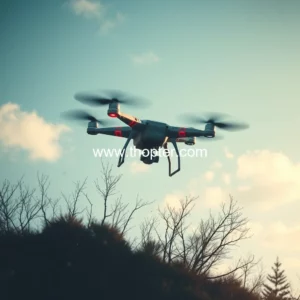
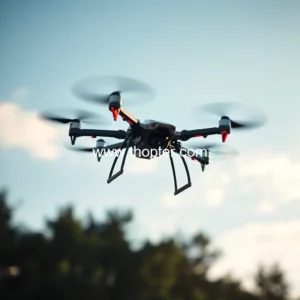
In the industrial sector, RCVs are employed in tasks such as remote inspections, surveillance, and exploration. Drones, a subset of RCVs, are widely used for aerial photography, environmental monitoring, and even package delivery services. Construction, mining, and agriculture industries use RCV technology to improve efficiency, reduce human error, and mitigate safety risks by remotely controlling vehicles in hazardous environments. Technological Advancements Driving the Industry Recent technological advancements have significantly contributed to the growth of the RCV industry. Innovations in battery technology, for example, have enhanced the performance of RCVs by extending their operational time and reducing the need for frequent charging. Lithium-polymer batteries have become the standard in most RCVs, offering higher energy density and faster recharge times than traditional options.
A. The Future of Automation
B. Robots on the Rise
C.
This technology has the potential to revolutionize various industries, including logistics, agriculture, and disaster relief. In logistics, autonomous vehicles can optimize delivery routes, reduce fuel consumption, and improve efficiency. In agriculture, they can automate tasks like planting, harvesting, and spraying, leading to increased productivity and reduced labor costs. In disaster relief, they can quickly and efficiently reach disaster-stricken areas, delivering aid and assessing damage.
This expansion is driven by factors such as the growing demand for recycled materials, the increasing awareness of environmental issues, and the need for sustainable solutions. The RCV industry is expected to play a significant role in addressing climate change and reducing waste. By diverting waste from landfills and promoting the reuse and recycling of materials, the industry contributes to a circular economy.
Conclusion The RCV industry is undergoing a period of rapid innovation and diversification, transforming from a niche hobby market into a multifaceted industry with applications in entertainment, education, and beyond. As technology continues to evolve, the possibilities for remote-controlled vehicles are endless, making this an exciting time for both enthusiasts and professionals in the RCV field.

news is a contributor at Thopter. We are committed to providing well-researched, accurate, and valuable content to our readers.