Design and Construction
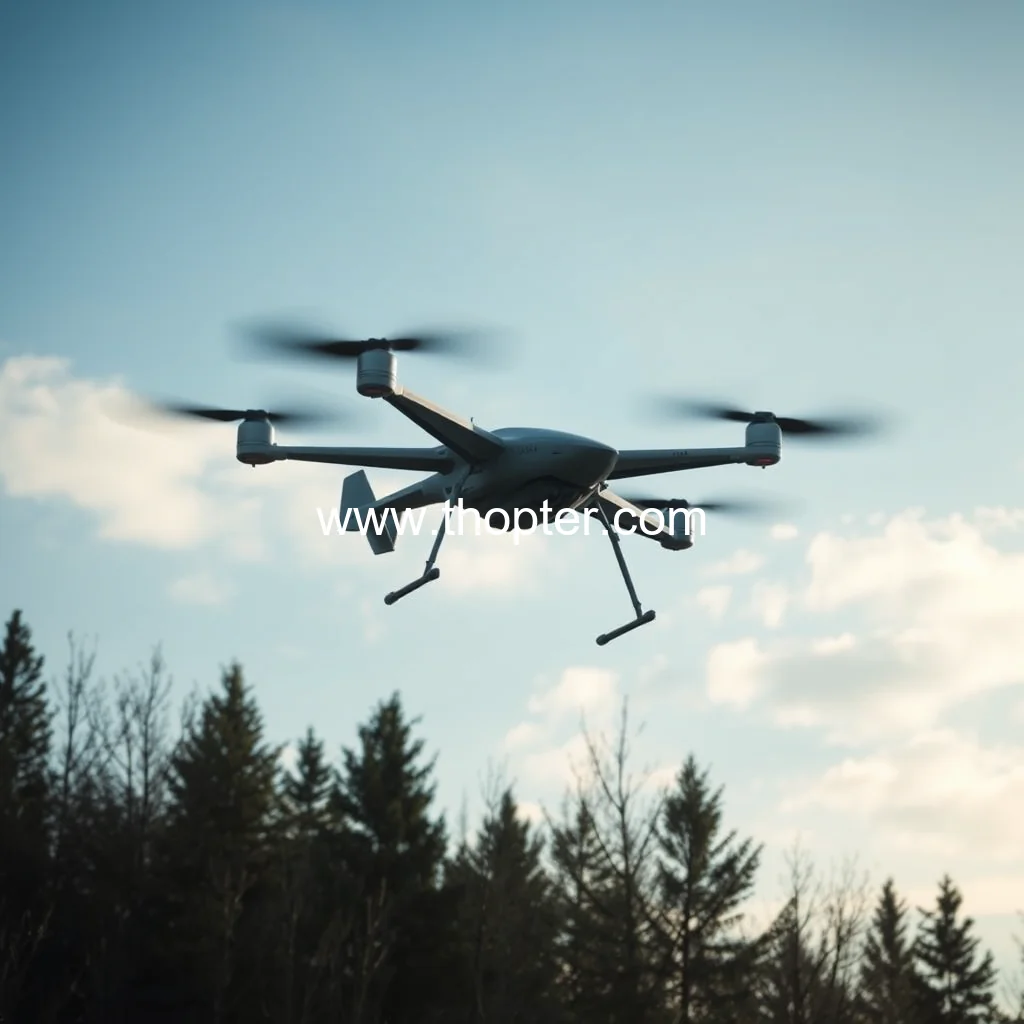
The Gerbera drone is a relatively simple design, consisting of a single propeller and a small engine. The drone’s body is made from lightweight materials, such as polystyrene and plywood, which provide a low cost and ease of production. This design choice allows the drone to be manufactured quickly and efficiently, making it an attractive option for countries with limited resources. The drone’s propeller is likely to be a simple, fixed-pitch design, providing a stable and efficient flight path. The small engine used in the Gerbera drone is probably a low-power, fuel-efficient design, allowing the drone to operate for extended periods without the need for frequent refueling. The drone’s lightweight construction also makes it easier to transport and deploy, reducing the logistical challenges associated with military drone operations.
Capabilities and Performance
The Gerbera drone is designed to perform a variety of tasks, including surveillance, reconnaissance, and communication relay. Its small size and lightweight construction make it an ideal platform for these types of operations.
The Gerbera Drone: A Game-Changer in Modern Warfare
The Gerbera drone, developed by the Russian defense company, Almaz-Antey, has been a subject of interest for several years. Its capabilities and potential applications have sparked debate among military strategists and analysts.
This strategy is particularly effective against systems that rely on advanced sensors and data processing to engage targets.
The Gerbera’s Decoy Role
The Gerbera’s primary function is to serve as a decoy, drawing the attention of air defense systems away from the true targets. This is achieved through its unique design and capabilities, which make it an attractive target for these systems. The Gerbera’s high-speed flight profile and maneuverability make it an ideal candidate for evading detection by air defense systems. Its small size and low radar cross-section also make it difficult for these systems to detect and track. Furthermore, the Gerbera’s ability to change direction quickly and make sharp turns allows it to create a “ghost” effect, making it appear as if it is moving in multiple directions at once.
The Impact on Air Defense Systems
The Gerbera’s decoy role has a significant impact on air defense systems, particularly those that rely on advanced sensors and data processing to engage targets. By increasing the number of potential targets, these systems are forced to prioritize which threats to eliminate, reducing their effectiveness.
This creates a vicious cycle of retaliation and escalation.
The Impact of the Gerbera Drone on Ukraine’s Air Defense
The introduction of the Gerbera drone has significantly impacted Ukraine’s air defense capabilities.
The Gerbera drone’s capabilities would allow Russian forces to conduct precision strikes, targeting enemy positions and disrupting supply lines. This would enable Russian ground forces to operate more effectively, increasing their chances of success in ground battles.
The Gerbera Drone: A Game-Changer for Russian Ground Forces
Strategic Advantages
The Gerbera drone, a Russian unmanned aerial vehicle (UAV), has been touted as a game-changer for Russian ground forces. Its capabilities extend beyond strategic airstrikes, offering significant benefits to Russian ground troops. One of the primary advantages of the Gerbera drone is its ability to provide close air support to Russian ground forces. This is particularly significant in the context of the ongoing conflict in Ukraine, where Ukrainian air defense systems have effectively prevented Russia from using close air support in ground operations.
Precision Strikes and Battlefield Disruption
The Gerbera drone’s capabilities would allow Russian forces to conduct precision strikes, targeting enemy positions and disrupting supply lines. The drone’s precision strikes could also be used to destroy enemy command centers, disrupting their ability to coordinate and respond to Russian ground operations.
Increased Effectiveness and Battlefield Advantage
The Gerbera drone’s capabilities would provide Russian ground forces with a significant battlefield advantage. By providing close air support and precision strikes, the drone would enable Russian forces to operate more effectively, increasing their chances of success in ground battles.

news is a contributor at Thopter. We are committed to providing well-researched, accurate, and valuable content to our readers.