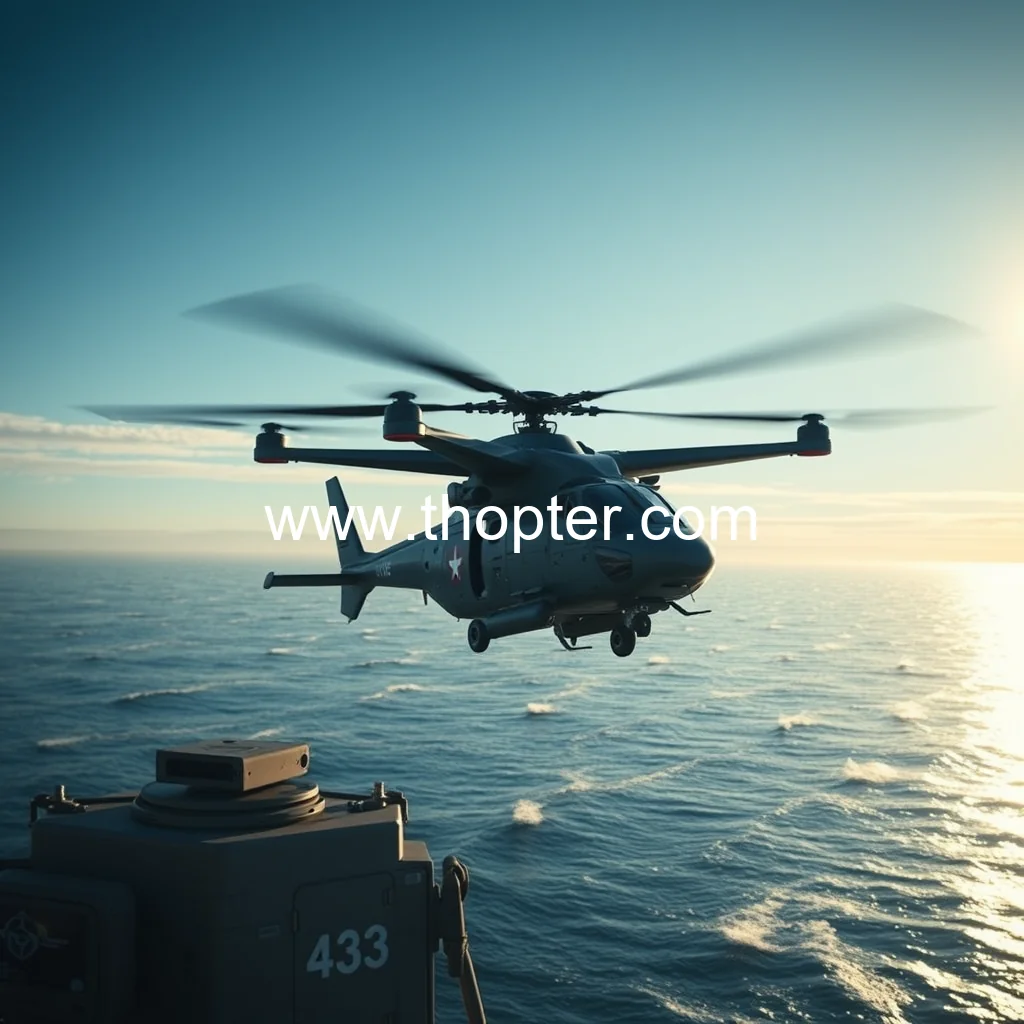
This strategic shift is part of a broader effort to modernize and adapt to new forms of warfare. ## Modernizing Russia’s Military Tactics The Russian military has recognized the growing threat posed by unmanned surface vehicles (USVs) used by adversaries, particularly in the context of the conflict in Ukraine. In response, they are training their pilots to operate FPV drones from helicopters, marking a significant shift in their tactical approach.
Using a helicopter as a FPV drone mothership in this way makes a lot of sense. You can greatly expand the reach of FPV drones by delivering them forward via a mothership aircraft. Generally, the FPV drones have a maximum range of about a dozen miles, but operationally usually it’s much less than that. They require continuous line-of-sight communications with their controllers. However, their range can be maximized by avoiding terrain that can interfere with their signal. Elevated antennas and relays installed on balloons or placed on unmanned or manned aircraft, like a helicopter, can extend their connectivity much further with more consistent connectivity. You can read all about this in our previous piece here.
The Evolution of Aerial Delivery Systems
The concept of using helicopters for delivery purposes has been around for decades, but recent advancements have transformed them into sophisticated control nodes for drone operations. This evolution marks a significant shift in aerial delivery systems, moving towards a more integrated and advanced approach.
Russia’s Strategic Shift in the Black Sea
In a significant shift in maritime strategy, Russia has turned its attention towards countering Ukrainian long-range drone boat attacks in the Black Sea. This move underscores the evolving nature of naval warfare and the increasing importance of unmanned systems in modern conflicts.
The Emergence of Drone Warfare in the Ukraine Conflict
The conflict in Ukraine has taken a new turn with the introduction of unmanned aerial vehicles (UAVs), specifically FPV drones, into the battlefield. This development marks a significant shift in the tactics employed by both sides, as they adapt to the evolving landscape of modern warfare.
The Incident: A Closer Look
The Russian Defense Ministry recently released a video showcasing a dramatic encounter between a Ukrainian Unmanned Surface Vessel (USV) and a Russian Navy Ka-29 Helix-B assault helicopter. This incident provides a unique insight into the modern warfare tactics and the increasing role of unmanned systems in military operations. * The video, which has since gone viral, shows the USV, equipped with R-73 missiles, being targeted by the helicopter. * The USV attempts to evade the helicopter by performing aggressive maneuvers.
The Rise of Ukraine’s Sea Drones
Ukraine’s innovative use of sea drones has marked a significant shift in modern naval warfare. These unmanned vehicles, equipped with advanced technology, have been deployed in the Black Sea, causing considerable damage to Russia’s Black Sea Fleet (BSF). * The sea drones, small and agile, have been able to navigate the complex waters of the Black Sea with ease. * Their deployment has been a strategic move by Ukraine, aiming to exploit the vulnerabilities of a larger, more traditional naval force.
Contact the author: howard@thewarzone.com

news is a contributor at Thopter. We are committed to providing well-researched, accurate, and valuable content to our readers.