The Challenge of Storm Navigation
Storms pose a significant challenge for drone navigation. Strong winds, heavy rain, and reduced visibility make it difficult for drones to maintain stability and communicate effectively. The harsh weather conditions can also cause drones to lose power or become disoriented, leading to accidents or failures. Key factors that affect storm navigation: + Wind speed and direction + Rain intensity and duration + Visibility and lighting conditions + Power supply and battery life
The Solution: Advanced Navigation Systems
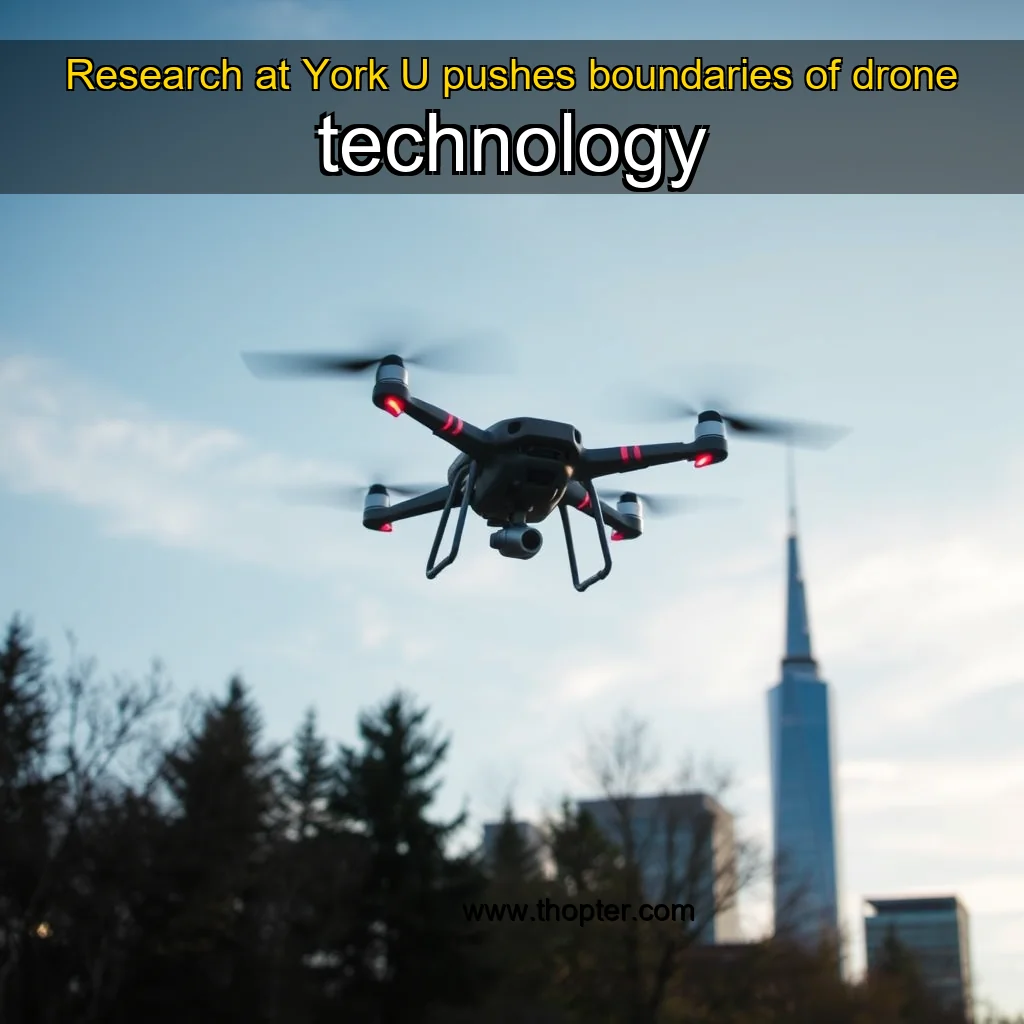
To overcome the challenges of storm navigation, researchers at York University’s Lassonde School of Engineering are developing advanced navigation systems for drones. These systems use a combination of sensors, algorithms, and machine learning techniques to improve the drones’ ability to navigate through complex and dynamic environments. Key features of advanced navigation systems: + Real-time weather monitoring and forecasting + Advanced sensor fusion and data processing + Adaptive control systems for optimal performance + Machine learning algorithms for improved decision-making
The Role of the Kenneth M. Molson Foundation
The Kenneth M. Molson Foundation plays a crucial role in supporting the development of advanced navigation systems for drones. The foundation’s initiatives focus on advancing Canada’s transportation sector through innovative research and development.
Developing a Self-Operating Drone for Efficient Package Delivery in Harsh Environments.
The project is designed to address these challenges by developing a new type of drone that can operate in a wide range of environments.
Project Overview
The project is focused on developing a new type of drone that can operate in a wide range of environments, including areas with weak or no GPS and harsh weather conditions. The goal is to create a self-operating machine that can navigate and deliver packages efficiently and reliably.
Key Features
Challenges and Limitations
While the project aims to address the challenges faced by drones in transportation and delivery, there are still several limitations and challenges that need to be addressed. Regulatory Framework: The project will need to comply with existing regulatory frameworks and ensure that the drone is safe and compliant with relevant laws and regulations. Cybersecurity: The drone will need to be designed with robust cybersecurity measures to prevent hacking and ensure the integrity of the navigation system. * Public Acceptance: The project will need to address public concerns and ensure that the drone is perceived as safe and reliable.**
Benefits and Opportunities
The project has the potential to bring numerous benefits and opportunities to the transportation and delivery industries.
The Future of Drone Technology
The integration of drones into various sectors is on the rise, and it’s expected to continue growing in the coming years. The project aims to explore the potential of drones in different areas, including transportation, logistics, environmental monitoring, and emergency response.
Advancements in Drone Technology
Drones are becoming increasingly sophisticated, with advancements in areas such as:
Applications in Transportation and Logistics
Drones are being used in transportation and logistics to improve efficiency and reduce costs. Some examples include:
The Research Focus of Hassan Alkomy
Hassan Alkomy’s research focuses on the dynamics and control of drone delivery systems. This field of study is crucial in the development of autonomous delivery systems, which can revolutionize the way goods are transported. With the increasing demand for efficient and cost-effective logistics, drone delivery systems have become an attractive solution. Key aspects of Hassan Alkomy’s research include:
- Drone navigation and control
- Trajectory planning and optimization
- Collision avoidance and safety protocols
- Integration with existing logistics systems
- Autonomous delivery of medical supplies and equipment
- Fast and efficient transportation of goods in remote areas
- Increased use of drones in search and rescue operations
- PhD in earth and space science
- Supervision by Dr.
Harnessing innovation to drive progress in autonomous systems and aerospace technology.
Taylor Centre for Autonomous Systems and Aerospace Technology” is a new research centre that will be established at York University, with the goal of advancing the field of autonomous systems and aerospace technology. The centre will be located in the heart of Toronto, Ontario, Canada, and will be a hub for research, innovation, and collaboration.
The Vision and Mission
The Kenneth M. Taylor Centre for Autonomous Systems and Aerospace Technology aims to advance the field of autonomous systems and aerospace technology through research, innovation, and collaboration. The centre will focus on developing cutting-edge technologies that can be applied to various industries, including transportation, energy, and healthcare. Key areas of research: + Autonomous vehicles + Unmanned aerial vehicles (UAVs) + Autonomous underwater vehicles (AUVs) + Robotics + Artificial intelligence (AI) + Machine learning + Cybersecurity
- The centre will also explore the social and ethical implications of autonomous systems and aerospace technology, including issues related to safety, security, and privacy. ## The Centre’s Location and Facilities
The Centre’s Location and Facilities
The Kenneth M. Taylor Centre for Autonomous Systems and Aerospace Technology will be located in the heart of Toronto, Ontario, Canada. The centre will be situated in a state-of-the-art facility that will provide researchers with access to cutting-edge equipment and resources. State-of-the-art facilities: + Advanced laboratories for research and development + Collaborative workspaces for interdisciplinary teams + Access to high-performance computing resources + State-of-the-art simulation and testing facilities
- The centre will also have a strong focus on industry partnerships and collaborations, with the goal of translating research into practical applications. ## The Benefits of the Initiative
The Benefits of the Initiative
The Kenneth M.
news is a contributor at Thopter. We are committed to providing well-researched, accurate, and valuable content to our readers.
You May Also Like
The Impact of Hassan Alkomy’s Research
Hassan Alkomy’s research has the potential to significantly impact various industries, including logistics, transportation, and healthcare. By developing more efficient and reliable drone delivery systems, his work can help reduce costs, increase delivery speeds, and improve overall efficiency. Potential applications of Hassan Alkomy’s research include:
Hassan Alkomy’s Academic Background
Hassan Alkomy earned his PhD in earth and space science from a reputable institution. His research was supervised by Dr. Shan, who has extensive experience in the field of dynamics and control. Key aspects of Hassan Alkomy’s academic background include: