
Introduction to the New PLI Scheme
The Indian government is set to introduce a revamped Production-Linked Incentive (PLI) scheme, aiming to address the challenges faced under the initial 2021 version. This new initiative is designed to streamline processes, encourage innovation, and simplify the bureaucratic hurdles that have previously hindered its effectiveness. Streamlined Processes: The revised PLI scheme will feature simplified documentation and a more user-friendly application process. *Innovation Encouragement: By focusing on technology-driven sectors, the government hopes to stimulate research and development. *Ease of Implementation:* The new scheme is expected to have fewer regulatory constraints, making it easier for companies to participate.
Addressing the Shortcomings of the First PLI Scheme
The original PLI scheme, while ambitious, faced several challenges that the government is keen to rectify. Complex Documentation: The extensive paperwork required for the first PLI scheme was a significant barrier for many companies. *Regulatory Hurdles: Navigating the bureaucratic maze proved to be a daunting task for businesses.
They are used for delivering packages, monitoring wildlife, and even assisting in search and rescue operations. The use of drones has revolutionized many industries, but it also raises concerns about privacy and safety.
Streamlining Government Procedures
The government is gearing up for a significant overhaul aimed at simplifying bureaucratic processes. This initiative is designed to create a more conducive environment for innovation and to alleviate the often cumbersome paperwork that can stifle productivity. Eliminating Red Tape: The primary focus is on cutting down on unnecessary regulations that hinder efficiency.
However, the civilian sector’s use of drones is growing rapidly, raising concerns about privacy, safety, and security.
The Rise of Civilian Drone Use
The civilian sector’s use of drones has seen a significant increase in recent years. From recreational photography to commercial delivery services, drones are becoming more commonplace in our daily lives. * Recreational use:
- Hobbyists and enthusiasts use drones for aerial photography and videography. Drone racing has also gained popularity, with competitions held worldwide. * Commercial use:
- Delivery services are experimenting with drone-based delivery systems. Agricultural companies use drones for crop monitoring and spraying. * Real estate agents use drones for aerial property tours. ## Privacy and Safety Concerns
Privacy and Safety Concerns
The rapid growth of civilian drone use has raised several concerns, particularly regarding privacy and safety. * Privacy concerns:
- Drones equipped with cameras can easily invade personal privacy. Unauthorized surveillance of private property is a growing concern.
The Evolving Landscape of India’s PLI Scheme
India’s Production Linked Incentive (PLI) scheme has been a game-changer for the country’s manufacturing sector, but experts are calling for its evolution to keep pace with the rapidly changing global landscape.
The Need for an Evolved PLI Scheme
- *Increased Outlay: Experts argue that a larger outlay will allow more startups to innovate in building drones, which are becoming increasingly important in various sectors. – Counter-Drone Systems:* The inclusion of counter-drone systems in the PLI scheme is crucial for national security and defense.
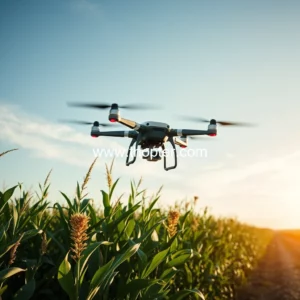
The initiative is part of a broader effort to modernize agriculture and increase productivity in rural areas.
Introduction to the Namo Drone Didi Scheme
The Namo Drone Didi Scheme is a groundbreaking initiative designed to revolutionize agriculture in rural India. By equipping women with agricultural drones, the scheme seeks to empower them and enhance their contribution to the agricultural sector. Objective: To modernize agriculture and increase productivity in rural areas. *Target Group: Women-led self-help groups.
The Imperative of Indigenization in Defense Sector
The defense sector stands at a critical juncture where the call for indigenization has never been more pressing. Major General C S Mann, the Additional Director General at the Army Design Bureau, has underscored the urgency of this matter. The Need for Truthfulness: Mann emphasized the necessity for honesty in proclaiming domestic manufacturing capabilities. *Indigenization as a Strategic Priority*: The push for self-reliance in defense manufacturing is not just a matter of national pride but a strategic imperative.
The Strategic Imperative of Indigenization
Indigenization in the defense sector is not merely about reducing dependency on foreign imports. It’s about ensuring national security, fostering technological advancement, and creating a robust industrial base. National Security: A strong, self-sufficient defense industry is crucial for safeguarding a nation’s sovereignty. *Technological Advancement: Indigenous production encourages innovation and the development of cutting-edge technologies. *Economic Growth*: The defense sector’s growth can stimulate the broader economy, creating jobs and fostering industrial development.
The Challenge of Honest Claims
Mann’s call for truthfulness in the defense sector’s manufacturing capabilities is a response to the growing skepticism about the extent of indigenization.
news is a contributor at Thopter. We are committed to providing well-researched, accurate, and valuable content to our readers.
You May Also Like
- *Increased Outlay: Experts argue that a larger outlay will allow more startups to innovate in building drones, which are becoming increasingly important in various sectors. – Counter-Drone Systems:* The inclusion of counter-drone systems in the PLI scheme is crucial for national security and defense.