The Rise of Drone Technology in Security Operations
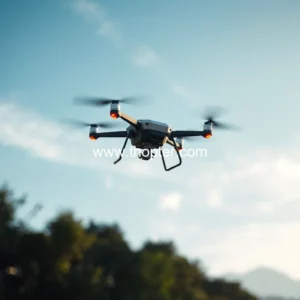
The advent of drone technology has brought about a significant shift in the security landscape. Organisations are now leveraging these unmanned aerial vehicles (UAVs) to enhance their surveillance capabilities and improve threat detection. * Enhanced Surveillance Capabilities
- Drones provide a bird’s-eye view of large areas, allowing for comprehensive monitoring. – They can access hard-to-reach locations, providing a unique vantage point. * Improved Threat Detection
- Drones equipped with advanced sensors can detect potential threats in real-time.
The Rise of Drones in South African Security
South Africa has witnessed a significant increase in the use of drones for security purposes. This trend has been particularly noticeable since the South Africa Civil Aviation Authority began issuing commercial drone pilot licenses in 2015. * The private sector security space has seen a massive uptake in drone usage. * Drones are now a common sight in various security operations. ## The Benefits of Drone Technology in Security The use of drones in security operations offers several advantages. * Enhanced Surveillance: Drones provide a bird’s-eye view, enabling security personnel to monitor large areas effectively. * Rapid Response: Drones can quickly reach remote or difficult-to-access locations, providing immediate response in emergencies. * Cost-Effective: Compared to traditional security methods, drones offer a more affordable solution. ## The Legal Framework The South Africa Civil Aviation Authority has established a legal framework to regulate drone usage. * Commercial drone pilot licenses are required for drone operation.
The Rise of Drones in Mine Security
The use of drones in mine security has seen a significant increase in recent years. These unmanned aerial vehicles (UAVs) offer a range of benefits that make them an invaluable tool for ensuring the safety and efficiency of mining operations. * Enhanced Surveillance: Drones provide a bird’s-eye view of the mining site, allowing operators to monitor vast areas quickly and efficiently. * Real-time Data Collection: Equipped with advanced sensors and cameras, drones can collect real-time data on various aspects of the mine, such as temperature, humidity, and structural integrity.
The Rise of Drones in Private Security
Drones, once a staple of military operations, have now found a significant place in the private sector, particularly in security. Their ability to offer aerial surveillance and real-time data collection has revolutionized the way businesses protect their assets.
The Rise of Drones in South Africa
The small drone market in South Africa is witnessing a significant upsurge, with projections indicating a revenue of R2.4 billion by 2025. This growth is a testament to the increasing adoption of drone technology across various sectors. * Agriculture: Farmers are utilizing drones for crop monitoring, irrigation management, and pest control, leading to increased efficiency and yield. * Infrastructure: Drones are being employed for infrastructure inspection, such as bridge and road assessments, which enhances safety and reduces maintenance costs. * Emergency Services: Emergency responders are using drones for rapid assessment of disaster-hit areas, aiding in quicker and more effective rescue operations. ### The Expanding Drone Market in Africa The drone market in Africa, excluding South Africa, is also on an upward trajectory, with an anticipated revenue of R843 million in 2024.
Here are some reasons why insurance is crucial for drone operators:
- Liability Protection: Insurance can protect drone operators from legal claims and financial losses resulting from accidents. For example, if a drone crashes into a building, causing damage, the operator’s insurance can cover repair costs and legal fees. – Regulatory Compliance: Many countries and regions have specific regulations governing drone operations.
news is a contributor at Thopter. We are committed to providing well-researched, accurate, and valuable content to our readers.
You May Also Like
- Liability Protection: Insurance can protect drone operators from legal claims and financial losses resulting from accidents. For example, if a drone crashes into a building, causing damage, the operator’s insurance can cover repair costs and legal fees. – Regulatory Compliance: Many countries and regions have specific regulations governing drone operations.