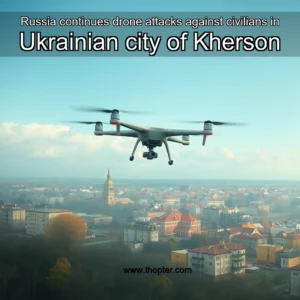

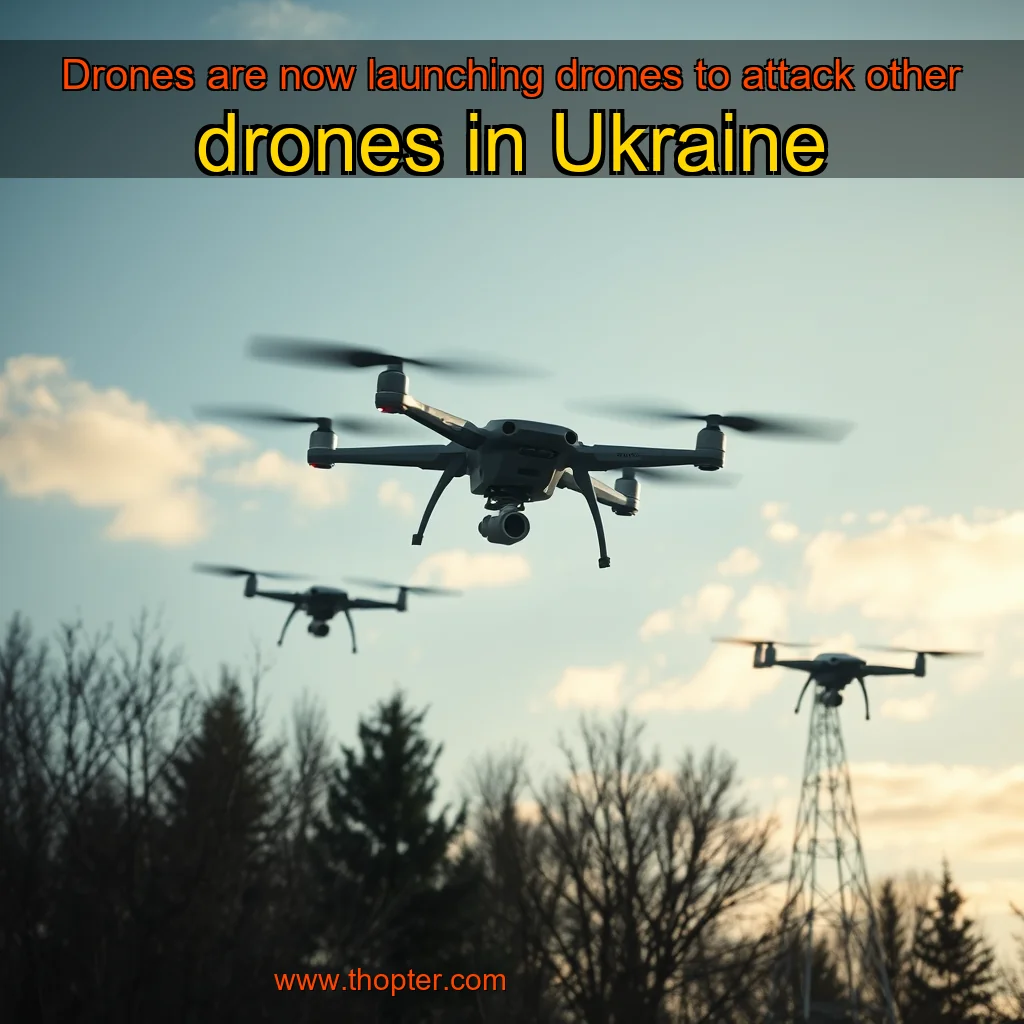
The Ukrainian military has also been actively involved in the development of its own drone technology, with the goal of creating a robust and reliable drone force.
The Rise of Drone Warfare in Ukraine
The use of drones in warfare has been on the rise globally, and Ukraine is no exception. The country’s military has been actively utilizing drones for various purposes, including reconnaissance, surveillance, and combat missions. The Ukrainian military has been particularly interested in developing its own drone technology, with a focus on creating a robust and reliable drone force.
Key Features of Ukrainian Drone Technology
The Role of Drone Technology in Ukrainian Military Strategy
The Ukrainian military has been actively incorporating drone technology into its strategy, with a focus on using drones to gather intelligence, conduct surveillance, and engage in combat missions.
The Rise of Large Drones in Ukraine
The use of large drones, also known as “mothership” drones, has been a significant development in the ongoing conflict in Ukraine. These drones have been used to carry and deploy smaller attack drones, providing a strategic advantage on the battlefield. The concept of using large drones to launch smaller drones is not new, but its application in Ukraine has been particularly notable.
Advantages of Large Drones
The use of large drones has several advantages. They can carry a significant payload, including smaller attack drones, and can operate for extended periods.
This has led to the development of a new type of drone warfare that is both more efficient and more lethal.
Drone Warfare: The Next Frontier of Conflict
The use of drones in modern warfare has been on the rise in recent years, with various countries and organizations employing them for reconnaissance, surveillance, and combat missions. However, the Ukrainian military has taken the use of drones to a new level by equipping them with an array of improvised explosive devices (IEDs) and other lethal payloads.
The Evolution of Drone Warfare
The Ukrainian military has been experimenting with drones for several years, but recent advancements have led to the development of a new type of drone warfare that is both more efficient and more lethal. This new approach involves the use of drones equipped with advanced stabilization systems, which enable them to fly steadily and maintain their aim even in turbulent air.
The Burya Drone: A Revolutionary Addition to Front-Line Forces
The Burya drone is a cutting-edge, small tracked drone designed to provide front-line forces with a significant advantage on the battlefield.
The Pliushch Drone: A Game-Changer in Ukrainian Military Capabilities
The Ukrainian military has been actively developing its drone capabilities in recent years, and the latest addition to its arsenal is the Pliushch drone. This cutting-edge technology has the potential to revolutionize the way the Ukrainian military operates on the battlefield.
Key Features of the Pliushch Drone
The Rise of Fiber-Optic Drones in Electronic Warfare
Electronic warfare has become a crucial aspect of modern combat, with both Ukraine and Russia employing advanced technologies to gain a strategic advantage. The use of fiber-optic drones has become increasingly prevalent in these conflicts, as these drones are less susceptible to traditional electronic warfare tactics. However, this shift has also led to the development of new methods to detect and neutralize these drones.
The Challenges of Electronic Warfare
Electronic warfare involves the use of electromagnetic signals to disrupt or destroy an adversary’s electronic systems. In the context of fiber-optic drones, this means that traditional electronic warfare tactics, such as jamming or spoofing, are ineffective. Instead, new methods must be employed to detect and neutralize these drones. Key challenges in electronic warfare include: + Detecting and tracking fiber-optic drones + Neutralizing their communication systems + Countering their advanced sensors and navigation systems
The Use of Fiber-Optic Drones
Fiber-optic drones are used in various military applications, including reconnaissance, surveillance, and combat. These drones are particularly useful in areas where traditional electronic warfare tactics are ineffective, such as in urban environments or against heavily fortified targets. Advantages of fiber-optic drones include: + Resistance to electromagnetic interference + Ability to operate in areas with high levels of electronic noise + Increased stealth and survivability
New Methods for Detecting and Neutralizing Fiber-Optic Drones
To counter the threat posed by fiber-optic drones, new methods have been developed. These methods include:
Ground Drones Revolutionize Military Operations with Increased Situational Awareness and Enhanced Safety.
The US military has been using them for years, but they are now being adopted by other countries. The ground drones, also known as unmanned ground vehicles (UGVs), are being used for a variety of tasks, including reconnaissance, surveillance, and combat.
The Rise of Ground Drones
The use of ground drones, or unmanned ground vehicles (UGVs), has been increasing rapidly over the past few years. This is due to their versatility, reliability, and cost-effectiveness. UGVs can be used for a variety of tasks, including reconnaissance, surveillance, and combat.
Key Benefits of Ground Drones

news is a contributor at Thopter. We are committed to providing well-researched, accurate, and valuable content to our readers.