
The Challenge of Drone Design
Designing drones that can mimic the agility and maneuverability of birds has long been a challenge for researchers. Birds possess a unique combination of physical attributes, including lightweight yet strong bones, powerful muscles, and a sophisticated nervous system, which enable them to fly with incredible agility and precision.
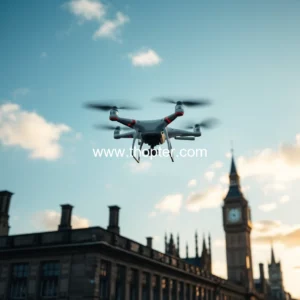
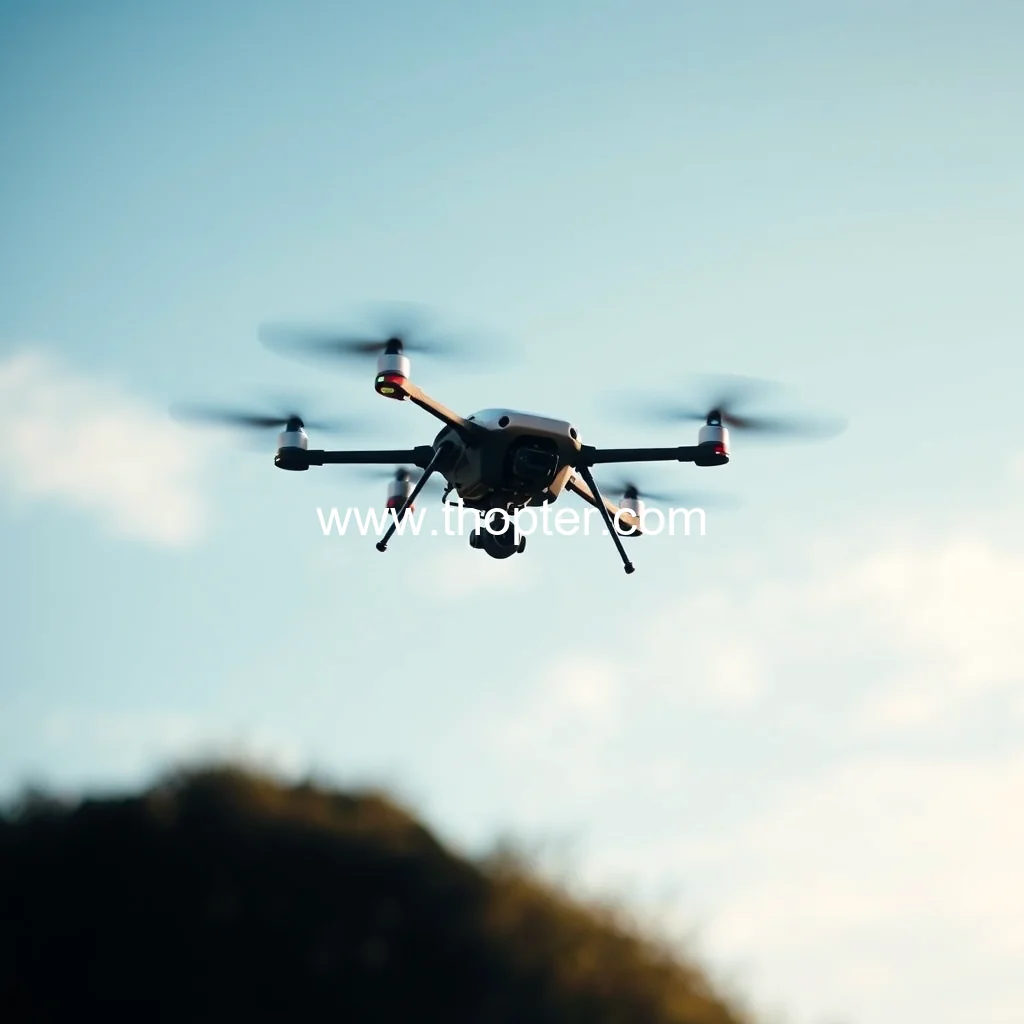
The result? A drone dubbed RAVEN (Robotic Avian-inspired Vehicle for multiple ENvironments), equipped with a unique leg mechanism that allows it to jump, perch, and take off with a bird-like agility. This innovative design could revolutionize drone applications, particularly in fields like search and rescue, environmental monitoring, and infrastructure inspection, where navigating complex environments is crucial. Mimicking Avian Agility: The Mechanics of a Jumping Drone The researchers carefully studied the anatomy and biomechanics of birds, particularly those known for their perching and jumping abilities, like ravens and crows. They then translated these biological principles into a robotic design, creating lightweight yet powerful legs for the drone.
Lightweight design enables high-speed agility and stability in the drone.
The drone’s frame is made of lightweight materials, such as carbon fiber, to minimize weight while maintaining structural integrity.
The Engineering Behind AVEN’s Legs
The design of AVEN’s legs is a critical aspect of its overall performance. The legs are engineered to be as lightweight as possible, which is essential for maintaining stability and agility in the air. By positioning key components close to the body, the drone’s inertia is reduced, allowing it to quickly change direction and respond to changing environmental conditions. The legs are designed to be highly flexible, allowing them to absorb shocks and vibrations from the ground. The legs are also equipped with advanced sensors that detect changes in the drone’s surroundings, enabling it to adjust its flight path accordingly.*
The Importance of Lightweight Materials
The use of lightweight materials in AVEN’s design is crucial for its overall performance. The drone’s frame is made of carbon fiber, a material that is both strong and lightweight. This allows the drone to maintain its structural integrity while minimizing its weight, which is essential for achieving high speeds and agility. Carbon fiber is a highly durable material that can withstand the stresses and strains of flight.
AVEN can also be used in conjunction with other launch systems, such as rockets or drones, to provide a more comprehensive launch solution.
AVEN’s Versatility and Adaptability
AVEN’s unique design allows it to operate in a variety of environments, making it an attractive option for a range of industries and applications. Terrain flexibility: AVEN can take off from virtually any terrain, including cluttered spaces, rocky surfaces, and tree branches.
The Vision Behind RAVEN
The RAVEN project is driven by the vision of creating a drone that can jump and navigate complex environments with ease. The team behind RAVEN aims to develop a drone that can adapt to various situations and overcome obstacles, making it an invaluable asset in fields such as search and rescue, environmental monitoring, and disaster response.
Key Features of RAVEN
The Benefits of RAVEN
The development of RAVEN has the potential to revolutionize the field of robotics and drone technology. Some of the benefits of RAVEN include:
The Future of RAVEN
The RAVEN project is just the beginning of a new era in drone technology and robotics.
The Concept of a Jumping Drone
The idea of a jumping drone is not new, but the recent advancements in technology have made it a reality. The concept involves a drone that can jump and perch like a bird, using its rotors to generate lift and propel itself into the air. This technology has been developed by a team of engineers who have been working on perfecting the design and functionality of the drone.
Key Features of a Jumping Drone
This innovative approach to drone design has the potential to revolutionize various industries such as construction, agriculture, and search and rescue operations.
The Concept of a Jumping Drone
The idea of a jumping drone is not new, but recent advancements in robotics and materials science have made it a reality.

news is a contributor at Thopter. We are committed to providing well-researched, accurate, and valuable content to our readers.