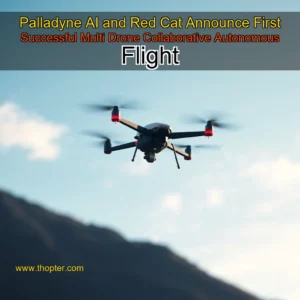

The visit was aimed at understanding the potential of drone technology in addressing various challenges faced by the Indian fisheries sector. The visit also aimed to explore the possibilities of integrating drone technology into existing fisheries management practices. Dr. Likhi highlighted the importance of utilizing drone technology for various purposes, including:
- Monitoring fish stocks:** Drones can be used to monitor fish stocks in real-time, providing valuable data on fish population density, distribution, and health. This information can be used to inform fishing regulations and ensure sustainable fishing practices. * **Identifying and mapping fish habitats:** Drones can be used to identify and map the different types of fish habitats, including coral reefs, mangroves, and seagrass beds.
The Secretary further elaborated on the use of drones for fish transportation, highlighting the ability to transport fish over long distances with minimal environmental impact. He emphasized the use of drones for transporting fish from remote areas to urban centers, bridging the gap between supply and demand. This technology can also be used for transporting fish to markets and processing plants, ensuring a smooth and efficient flow of fish products. The Secretary also mentioned the potential of drone technology in improving the fish farming sector. He highlighted the use of drones for monitoring fish health, identifying diseases, and providing targeted treatments.
The Secretary urged the ICAR-CIFRI and other stakeholders to take step for making these drone based applications reach to the fish farmers and ensure that all can have access to it. He also asked the Fisheries Department to document all these valuable demonstrations and send to the the Ministry so that they can be utilized for creating awareness among the fish farmers across the country. In the review meeting, Director, ICAR-CIFRI Dr. B. K. Das elaborately presented the institute achievements and progress made in drone-based technologies. Presentation on application of Drone Technology in fisheries was also made by a start-up.
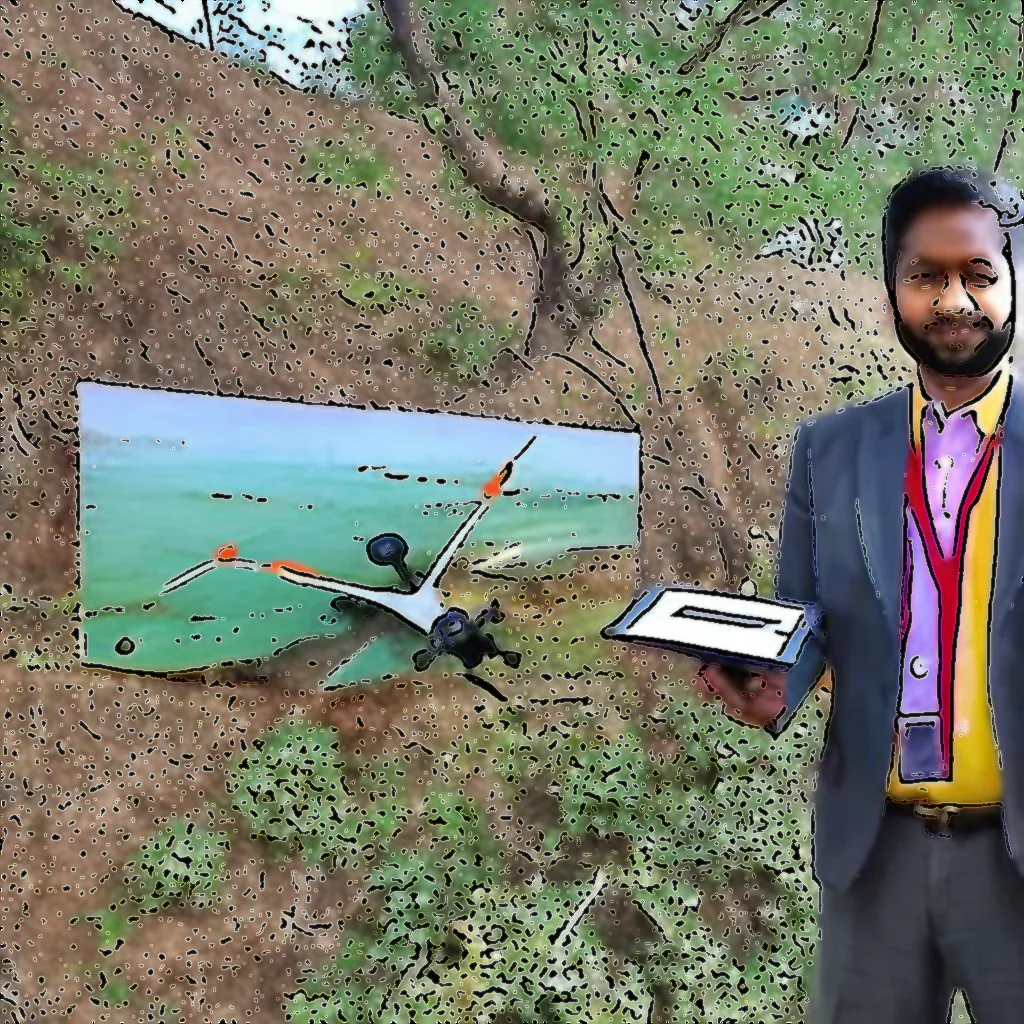
The demonstration showcased the capabilities of these drones in various aspects, including spraying pesticides, broadcasting feed, and delivering cargo. The use of drones in fisheries is gaining traction due to their ability to address several challenges faced by the fishermen and fisherwomen. The demonstration also highlighted the potential of drones to improve the efficiency of fisheries operations. By automating tasks such as spraying pesticides and broadcasting feed, drones can significantly reduce labor costs and increase productivity. The use of drones in fisheries is also expected to contribute to the sustainability of the fishing industry. By reducing the use of harmful chemicals and promoting efficient resource utilization, drones can help to minimize environmental impact.
This potential is particularly evident in the use of drones for medical supplies, disaster relief, and other essential services. Here’s a breakdown of how drones are revolutionizing these sectors:
1. Medical Supplies:
– Drones can deliver life-saving medications and medical equipment to remote areas where traditional transportation is difficult or impossible. – Example: In the aftermath of a natural disaster, drones can quickly transport essential medical supplies like bandages, antibiotics, and oxygen tanks to areas cut off from the main road network. – Benefits: Reduced travel time, increased accessibility, and improved patient outcomes. 2. Disaster Relief:
– Drones can provide real-time aerial imagery and assess damage to infrastructure and identify areas in need of assistance.news is a contributor at Thopter. We are committed to providing well-researched, accurate, and valuable content to our readers.
You May Also Like