
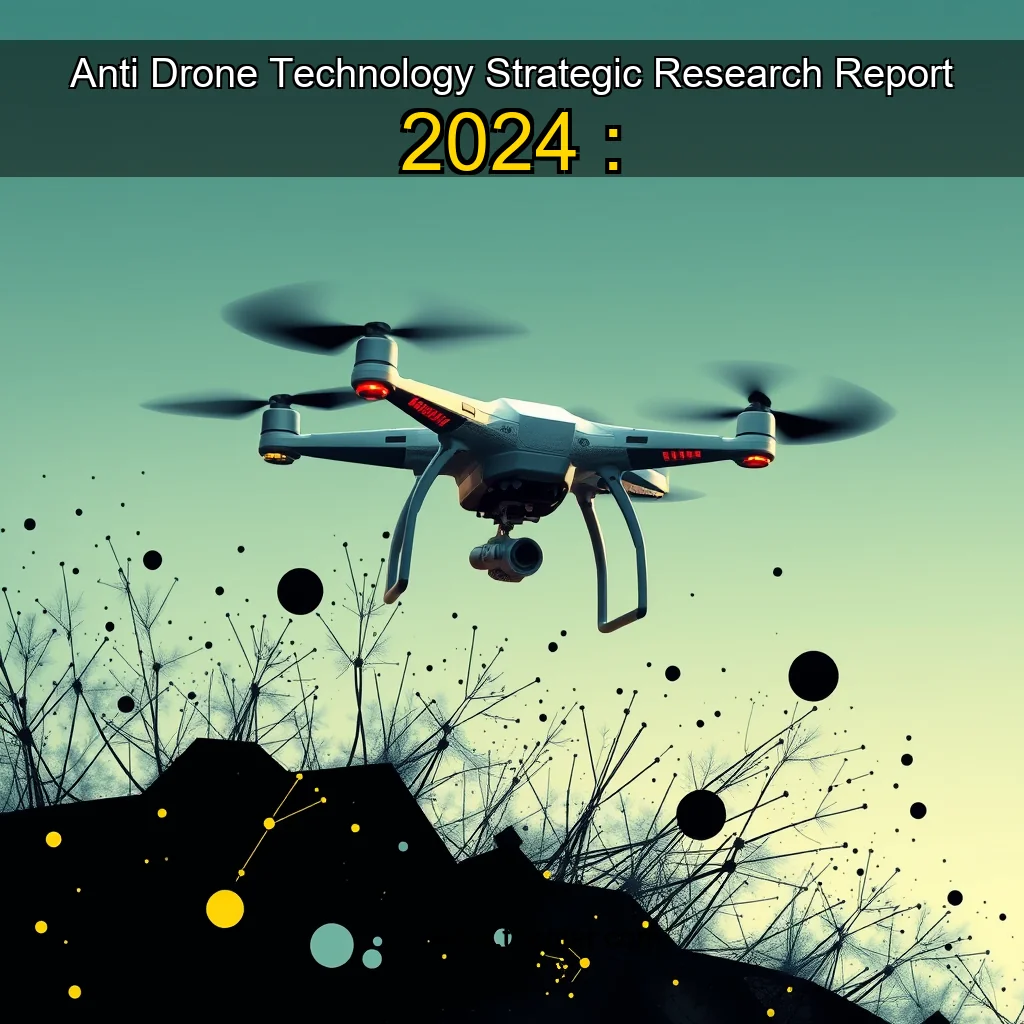
The market is driven by the need for effective countermeasures against drone-based threats, including surveillance, espionage, and attacks.
The Growing Threat of Unauthorized Drone Use
The threat posed by unauthorized drone use is a pressing concern for governments, law enforcement agencies, and private organizations. Drones can be used for malicious purposes, such as surveillance, espionage, and even attacks. The increasing availability and affordability of drones have made it easier for individuals and groups to acquire and use these devices for nefarious activities. Key characteristics of unauthorized drone use:
- Surveillance: Drones can be used to gather sensitive information about individuals, organizations, or critical infrastructure. Espionage: Drones can be equipped with cameras and sensors to gather intelligence on military installations, government buildings, or other sensitive areas. Attacks: Drones can be used to deliver explosives, chemicals, or other hazardous materials to cause harm or damage. ### The Need for Effective Countermeasures
- Technological Advancements: The development of advanced drone detection systems, jamming technology, and tracking devices is driving the growth of the anti-drone market. These technologies enable effective countermeasures against drone threats, making them an essential tool for various industries, including defense, law enforcement, and commercial aviation. Regulatory Demands: Governments around the world are implementing regulations to address the growing concern of drone-related incidents. For example, the Federal Aviation Administration (FAA) in the United States has established rules for drone operations, including requirements for registration and pilot certification. These regulations are driving the demand for anti-drone solutions, as organizations seek to ensure compliance and mitigate risks. Evolving Threat Landscape: The increasing sophistication of drone technology is leading to a rise in drone-related incidents, including airspace violations and unauthorized surveillance.
AI-powered systems can analyze real-time data from various sensors, including radar, lidar, and cameras, to identify and track drones with high accuracy.
The Evolution of Drone Detection Systems
The development of drone detection systems has undergone a significant transformation in recent years. From simple, rule-based systems to sophisticated AI-powered systems, the technology has advanced dramatically.
These regulations are aimed at mitigating the risks associated with drones, such as privacy invasion, security breaches, and potential misuse.
The Rise of Drone Regulations
In recent years, the use of drones has become increasingly popular, with millions of drones being used for various purposes, including recreation, surveillance, and commercial applications. However, this growing use of drones has also raised concerns about their potential misuse. Governments and regulatory bodies are responding to these concerns by implementing strict laws and guidelines to control the use of drones.
Key Regulatory Areas
- Airspace Regulations: Governments are implementing regulations to restrict drone flights in certain areas, such as near airports, national parks, and other sensitive locations. Privacy Laws: Regulations are being put in place to protect individuals’ privacy, particularly in areas such as surveillance and monitoring. Security Measures: Governments are implementing security measures to prevent the misuse of drones, such as the use of biometric identification and tracking systems. ## The Impact of Drone Regulations**
- Increased Costs: The implementation of regulations is resulting in increased costs for drone manufacturers and operators, as they need to invest in new technologies and systems to comply with the regulations. Reduced Innovation: The strict regulations are also limiting innovation in the drone industry, as companies are hesitant to invest in new technologies that may not be approved by regulatory bodies.
These are the eight regions that make up the global market for the automotive industry. The automotive industry is a significant sector of the global economy, with a projected value of over $7 trillion by 2025.
You Might Also Enjoy: Pentagon expands list of commercial drones certified for military useThe Automotive Industry: A Global Phenomenon
The automotive industry is a complex and dynamic sector that spans across the globe, with a significant presence in every region. From the production of passenger cars to commercial vehicles, the industry is a major contributor to the global economy.
Regional Breakdown
The global market for the automotive industry is divided into eight distinct regions, each with its unique characteristics, challenges, and opportunities. These regions include:
- U.S. China
- Japan
- Canada
- Europe
- Asia-Pacific
- Latin America
- Middle East
- Africa
Key Trends and Drivers
The automotive industry is driven by several key trends and drivers, including:
- Electrification: The increasing adoption of electric vehicles (EVs) is transforming the industry, with many countries setting ambitious targets for EV adoption. Autonomous Vehicles: The development of autonomous vehicles is expected to revolutionize the industry, with many companies investing heavily in this technology. Sustainability: The industry is under pressure to reduce its environmental impact, with a focus on sustainability and reducing carbon emissions. * Digitalization: The increasing use of digital technologies, such as data analytics and artificial intelligence, is transforming the industry, with many companies investing in digital solutions. ### Regional Insights**
Regional Insights
Each region has its unique characteristics, challenges, and opportunities. For example:
- U.S.: The U.S.
The Rise of Anti-Drone Technology
The increasing threat of drones has led to a surge in demand for anti-drone technology. Governments and private companies are investing heavily in the development of detection and interception systems to counter the growing menace of drones.
Detection Technologies
Detection technologies are a crucial component of anti-drone solutions.
Maritime Security Concerns: A Growing Threat to Global Trade and Economic Stability
The Rise of Anti-Drone Solutions in Public Event Security
The increasing threat of drones in public event security has led to a surge in demand for anti-drone solutions. This trend is driven by the growing concern of counter-terrorism measures and the need to protect critical infrastructure.
Attachment Anti-Drone Technology Market
news is a contributor at Thopter. We are committed to providing well-researched, accurate, and valuable content to our readers.
You May Also Like
The Need for Effective Countermeasures
The need for effective countermeasures against drone-based threats is becoming increasingly urgent.
As the use of drones becomes more widespread, the need for effective countermeasures to mitigate these risks is becoming increasingly apparent.
The Rise of the Anti-Drone Market
The anti-drone market is experiencing rapid growth, driven by a combination of technological advancements, regulatory demands, and the evolving threat landscape. This growth is expected to continue in the coming years, with the market projected to reach significant milestones.
Key Drivers of Market Growth
The Impact of Drone Regulations
The implementation of drone regulations is having a significant impact on the industry. Some of the key effects include: