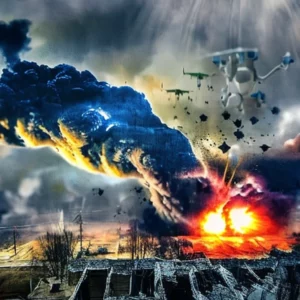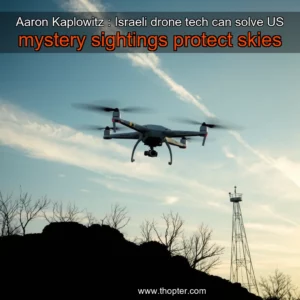
The increasing demand for Anti-Drone Technology is driven by the growing threat of drone-based attacks, which pose a significant risk to national security, public safety, and economic stability.
The Growing Threat of Drone-Based Attacks
The threat of drone-based attacks has been escalating in recent years, with various countries and organizations reporting incidents of drone-based attacks on critical infrastructure, military installations, and public events. These attacks can cause significant damage, disrupt critical services, and even result in loss of life. The use of drones for malicious purposes has become increasingly sophisticated, with some drones equipped with advanced payloads, such as explosives, cameras, and sensors. Key characteristics of drone-based attacks: + Unpredictability and stealth + Ability to evade detection and interception + Potential for significant damage and disruption + Risk of loss of life and injury
The Need for Anti-Drone Technology
In response to the growing threat of drone-based attacks, the demand for Anti-Drone Technology has increased significantly. Anti-Drone Technology is designed to detect, track, and neutralize drones, preventing them from causing harm to people, property, and critical infrastructure. The development and deployment of Anti-Drone Technology have become a priority for governments, military organizations, and private companies.
The anti-drone market is growing rapidly due to technological advancements, regulatory demands, and evolving threats.
Here are some key factors contributing to the growth of the anti-drone market:
Technological Advancements
Regulatory Demands
Evolving Threat Landscape
The Evolution of Drone Detection Systems
The development of drone detection systems has been a gradual process, with significant advancements in recent years. The introduction of radar and RF detection systems has revolutionized the way drones are detected and tracked.
Early Detection Methods
In the past, drone detection relied heavily on visual identification, which was often inaccurate and time-consuming. The use of thermal imaging cameras and motion sensors was also explored, but these methods had limitations. Thermal Imaging Cameras: These cameras use heat signatures to detect drones, but they can be affected by weather conditions and the presence of other objects.
Drone regulations are increasingly being implemented to address concerns about safety, security, and privacy.
The Rise of Drone Regulations
In recent years, the use of drones has become increasingly popular, with millions of drones being used for various purposes such as recreation, surveillance, and commercial applications. However, with the growing use of drones, concerns about safety, security, and privacy have led to the implementation of strict regulations and guidelines.
Key Regulatory Areas
The Impact of Drone Regulations on the Industry
The implementation of drone regulations has had a significant impact on the industry, with both positive and negative effects.
Positive Effects
.
The Globalization of Education: A Complex and Multifaceted Phenomenon
The Rise of Globalization in Education
Globalization in education refers to the increasing interconnectedness of educational systems across the world. This phenomenon has been driven by advances in technology, economic interdependence, and the growing importance of international collaboration in addressing global challenges. As a result, educational institutions and policymakers are facing new challenges and opportunities in the 21st century.
Key Drivers of Globalization in Education
The Growing Threat of Drones
The increasing sophistication of drones has led to a rise in security concerns worldwide. With the proliferation of drones in various sectors, including military, law enforcement, and commercial, the potential for malicious use has become a pressing issue. The threat of drones being used for surveillance, espionage, and even attacks has prompted governments and organizations to invest in anti-drone technology.
Detection and Interception Technologies
The development of advanced detection and interception technologies has been a significant factor in the growth of anti-drone solutions. These technologies enable the identification and neutralization of drones, providing a critical layer of security against potential threats. Radar-based systems: These systems use radar waves to detect and track drones, allowing for swift action to be taken to neutralize them. Acoustic sensors: These sensors use sound waves to detect the presence of drones, providing an additional layer of security. * Optical sensors: These sensors use light to detect drones, offering high-resolution images and video feed.**
Interception Methods
Interception methods are designed to neutralize drones, preventing them from causing harm.
Key Takeaways:
- Drone Detection Systems: Advanced systems that can detect and track drones in real-time.
Attachment Anti-Drone Technology Market
news is a contributor at Thopter. We are committed to providing well-researched, accurate, and valuable content to our readers.
You May Also Like