
However, the industry faces numerous challenges, including environmental concerns, air traffic control, and the need for advanced technology.
The Evolution of Civil Aviation
The history of civil aviation is a story of innovation and perseverance. From the early days of biplanes and propellers to the sophisticated aircraft of today, the industry has undergone significant transformations. The Wright brothers’ successful flight in 1903 marked the beginning of modern aviation. The development of all-metal aircraft in the 1920s and 1930s led to increased speed and efficiency. The introduction of jet engines in the 1950s revolutionized air travel, making it faster and more comfortable.
Environmental Concerns
Civil aviation is a significant contributor to greenhouse gas emissions, with the industry accounting for around 2.5% of global carbon emissions. The growth of air travel has led to increased emissions, and the industry is under pressure to reduce its environmental impact. The International Civil Aviation Organization (ICAO) has set targets to reduce emissions by 50% by 2050. The development of more fuel-efficient aircraft and alternative fuels is underway. Airlines are also exploring ways to reduce emissions, such as using electric or hybrid-electric propulsion systems.
Air Traffic Control
Air traffic control is a critical component of civil aviation, ensuring the safe separation of aircraft and the efficient movement of air traffic. However, the increasing number of aircraft and the complexity of air traffic control systems pose significant challenges.
AI in Aviation: A Transformative Force
Safety and Efficiency
AI is being used to enhance safety and efficiency in aviation. For instance, AI-powered systems can analyze vast amounts of data to identify potential safety risks and alert pilots to take corrective action. This can include monitoring weather conditions, air traffic control, and aircraft performance. By leveraging AI, airlines can reduce the risk of accidents and improve overall safety standards. AI-powered systems can also optimize flight routes, reducing fuel consumption and lowering emissions. Predictive maintenance can help identify potential issues before they become major problems, reducing downtime and increasing overall efficiency.*
Automation and Decision-Making
AI is also being used to automate routine tasks and improve decision-making in aviation. For example, AI-powered systems can analyze data from various sources, such as weather forecasts, air traffic control, and aircraft performance, to make informed decisions about flight planning and routing. AI can also be used to automate tasks such as air traffic control, reducing the workload of human controllers and improving overall efficiency. AI-powered systems can analyze data from various sources to predict potential issues and make recommendations for improvement.*
Human-AI Collaboration
As AI becomes more prevalent in aviation, there is a growing need for human-AI collaboration. This involves developing systems that can work seamlessly with human pilots and air traffic controllers, leveraging the strengths of both humans and machines. Human-AI collaboration can improve decision-making and reduce errors.
NORM is a machine learning model that can process and analyze large amounts of data in real-time, allowing it to identify patterns and anomalies in the NOTAMs.
The Potential of Blockchain in Aviation
The aviation industry is heavily reliant on traditional paper-based systems for recording flight logs, pilot hours, and other critical data. However, these systems are prone to errors, tampering, and loss. Blockchain technology offers a secure, transparent, and tamper-proof solution to these problems.
Benefits of Blockchain in Aviation
The Power of Blockchain in Aviation
The aviation industry is one of the most heavily regulated sectors in the world, with a complex web of rules and standards governing everything from aircraft maintenance to air traffic control. However, despite its importance, the industry has long been plagued by inefficiencies and a lack of transparency. This is where blockchain technology comes in – a game-changing innovation that has the potential to revolutionize the way the industry operates.
Decentralized and Secure
One of the key benefits of blockchain is its decentralized nature. Unlike traditional databases, which are often centralized and vulnerable to hacking, blockchain is a distributed ledger that is maintained by a network of nodes. This means that data is stored across multiple locations, making it much harder to manipulate or alter. The security of blockchain is also unparalleled. Using advanced cryptography and complex algorithms, blockchain ensures that data is encrypted and protected from unauthorized access. This decentralized and secure nature of blockchain makes it an attractive solution for industries that require high levels of data integrity and security.*
Tracking Maintenance Records
One of the most significant ways that blockchain can be used in aviation is to track maintenance records. By using blockchain, airlines and maintenance providers can ensure that all maintenance activities are properly documented and recorded. This includes tracking flight hours, engine hours, and other critical maintenance metrics. By using blockchain, airlines can also ensure that maintenance records are accurate and up-to-date, reducing the risk of errors or discrepancies.*
Streamlining Air Freight Processes
Blockchain can also be used to streamline air freight processes, reducing paper documentation and cutting down on administrative costs.
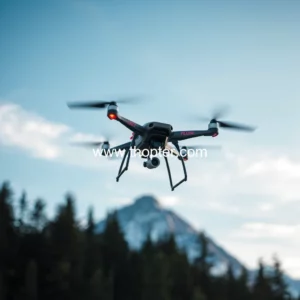
Governments and regulatory bodies are grappling with the complexities of UAS regulation, and the industry is calling for more streamlined and standardized rules.
The Need for Regulation
The lack of clear regulations has led to confusion and inconsistent application of rules across different countries and regions. This has resulted in a lack of trust among stakeholders, including manufacturers, operators, and regulators. The absence of standardized guidelines has also hindered the development of drone technology, as innovators struggle to navigate the complex and often conflicting regulatory landscape.
As we celebrate International Civil Aviation Day 2024, we recognise how these technological advancements are helping shape the future of aviation, making it more sustainable, reliable, and innovative. The possibilities are limitless, and we are just getting started.

news is a contributor at Thopter. We are committed to providing well-researched, accurate, and valuable content to our readers.