Drone usage poses significant legal implications and requires standardized safety protocols to mitigate risks and ensure compliance with regulations.
This report provides a comprehensive analysis of the legal implications of drone usage in various sectors. This includes not only the regulatory frameworks governing drone operations but also the evolving nature of liability and risk management. The report delves into the nuances of drone safety and the need for standardized safety protocols.
Introduction
The increasing use of drones in various industries has led to a multitude of legal issues arising from their use cases. As drones become more prevalent, it is essential to address these concerns to ensure safe and responsible use. In this article, we will delve into the key legal issues that arise from drone use cases, providing concrete examples to illustrate the complexities of these concerns.
Airspace Regulation and Flight Permissions
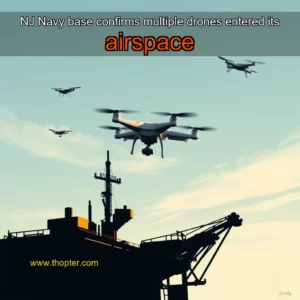
One of the primary legal issues surrounding drone use is airspace regulation and flight permissions. Drones are subject to the same airspace regulations as manned aircraft, and operators must obtain the necessary permits and follow specific guidelines to ensure safe flight. However, the lack of standardized regulations and varying national laws create confusion and uncertainty for drone operators.
Safeguarding sensitive information in aviation through rigorous safety cases and operational authorisations.
Data Capture and Safety Cases
The use of data capture technology in aviation is a rapidly evolving field, with various stakeholders involved in ensuring the safe and secure collection and processing of sensitive information. In this context, data protection and privacy are paramount concerns, as the misuse of personal data can have severe consequences.
Safety Cases and Operational Authorisations
To mitigate these risks, operators must conduct rigorous safety cases and obtain Operational Authorisations from the CAA. These authorisations ensure that the data capture technology is designed, implemented, and operated in a way that meets the required safety standards.
Counter-UAS Measures: Drone surveillance and tracking. Drone-based surveillance and tracking systems. How they work: Drone-based surveillance and tracking systems.
Drone Safety Regulations: Compliance with aviation rules and guidelines. Drone Security: Protection of sensitive information and assets.
Drone Operations: Essential Considerations for Commercial Use
As the use of drones in commercial settings continues to grow, it’s essential for operators to be aware of the critical factors that can impact their business. In this article, we’ll delve into the key considerations for commercial drone operations, focusing on the critical aspects that can make or break a business.
Mandatory Insurance
One of the most critical aspects of commercial drone operations is mandatory insurance. This type of insurance provides financial protection in case of accidents or unforeseen events. It’s essential to understand that insurance is not just a legal requirement but also a vital component of responsible drone operation.
Ensuring GDPR Compliance for Drone Operators: Key Principles and Best Practices for a Secure Data Environment.
Clear Guidelines on Data Protection: Issue Specific Guidance on GDPR Compliance for Drone Operators
As the use of drones becomes increasingly prevalent, the importance of data protection and GDPR compliance cannot be overstated. The General Data Protection Regulation (GDPR) sets out strict guidelines for the collection, storage, and processing of personal data, and drone operators must ensure they adhere to these regulations to avoid potential fines and reputational damage.
Understanding GDPR Compliance for Drone Operators
To ensure GDPR compliance, drone operators must understand the key principles outlined in the regulation. These include:
Data Protection Best Practices for Drone Operators
To ensure GDPR compliance, drone operators should implement the following best practices:
Drones require a comprehensive policy to address their increasing use and technological capabilities.
The Need for a Comprehensive Policy
The integration of drones into national airspace is a pressing issue that requires immediate attention. As drones become increasingly prevalent, the need for a comprehensive policy that addresses their use becomes more pressing. The current privacy laws may not be sufficient to address the nuances of drone surveillance, and legislation needs updating to reflect the technological capabilities of drones.
Current Challenges
The Impact of Inadequate Policy
The lack of a comprehensive policy can have significant consequences, including:
The Need for Update Legislation
Legislation needs to be updated to reflect the technological capabilities of drones.
The Future of Drones: A New Era of Innovation and Growth
The Importance of Public Perception and Acceptance
As drones become increasingly integrated into our daily lives, it’s essential to address the concerns and misconceptions surrounding their use. The general public’s perception of drones is often shaped by media portrayals of drones as a threat to safety and security. However, this perception is not entirely accurate.
Drone Technology Takes Off in the UK, Transforming Industries with Efficiency and Precision.
The Rise of Drone Technology in the UK
The UK has witnessed a significant surge in drone technology adoption in recent years, with the number of registered drones increasing by over 50% in 2020 alone. This rapid growth is driven by the increasing demand for efficient and cost-effective solutions in various industries, including agriculture, construction, and surveying.
Key Applications of Drone Technology
Regulatory Framework
Regulators in the UK play a vital role in shaping a conducive environment for drone technology to flourish.
The UK’s Drone Industry: Unlocking Potential
The UK has long been a hub for innovation and technological advancement, and its drone industry is no exception. With its rich history of pioneering work in aviation, the UK is well-positioned to capitalize on the growing demand for drones in various sectors.
Regulatory Framework
The UK’s regulatory framework is a critical component in unlocking the full potential of the drone industry. The current framework, which includes the Civil Aviation Authority (CAA) and the Air Navigation Order (ANO), provides a solid foundation for the industry. However, there is still room for improvement. The CAA has introduced several initiatives to streamline regulatory processes, including the creation of a dedicated drone registration system and the development of a drone-specific licensing scheme. The ANO has been updated to include new rules and regulations for drone operations, such as the requirement for drones to be registered and for operators to obtain a license. Despite these efforts, the regulatory framework still poses a significant barrier to entry for new drone operators and manufacturers.
Streamlining Regulatory Processes
To position the UK at the forefront of the global drone industry, it is essential to continue streamlining regulatory processes. This can be achieved through several key initiatives:

news is a contributor at Thopter. We are committed to providing well-researched, accurate, and valuable content to our readers.