
The healthcare gap in rural areas: A vicious cycle of poverty and poor health outcomes.
This poses a significant challenge for healthcare delivery, particularly in rural areas. The lack of access to healthcare services, coupled with inadequate infrastructure, results in a significant gap in healthcare delivery. This gap is further exacerbated by factors such as poverty, malnutrition, and limited access to clean water and sanitation. These factors create a vicious cycle of poor health outcomes, leading to increased mortality rates and a higher burden of disease. The impact of this healthcare gap is felt across all sectors of society, from education to economic development. For instance, a child’s education is often hindered by illness, and a lack of healthcare can lead to a decline in productivity and economic output.
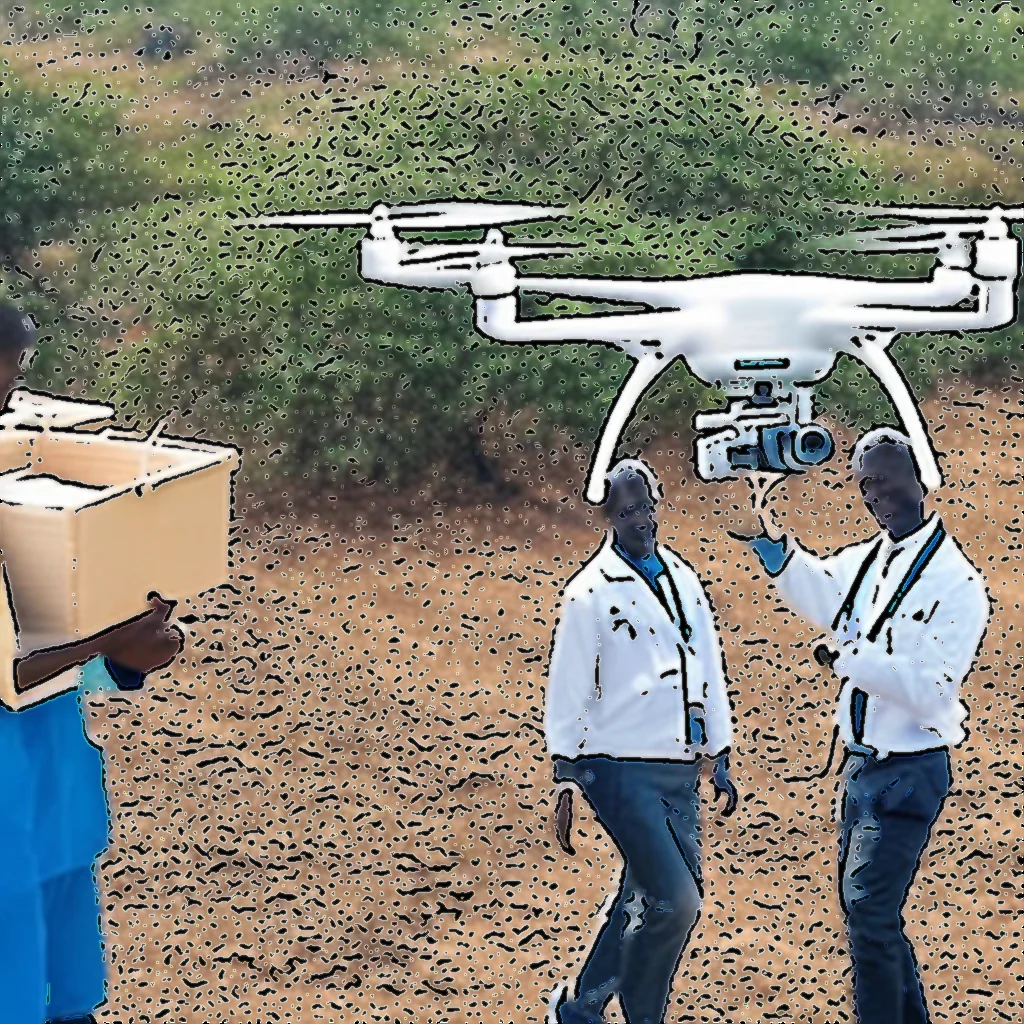
These drones are being used to transport medical supplies, vaccines, blood, and other essential equipment to remote and underserved communities in need. The use of drones in healthcare is not a new concept. They have been used in other parts of the world, but in sub-Saharan Africa, the use of drones for healthcare is still relatively new. This is because of a number of factors, including:
- Infrastructure:** Sub-Saharan Africa has a relatively underdeveloped infrastructure in terms of roads, airports, and communication networks. * **Cost:** The initial investment in drones and associated equipment can be quite high. * **Regulation:** There are often regulatory challenges and a lack of standardized procedures for drone use in healthcare.
- Infrastructure limitations:** Sub-Saharan Africa faces significant infrastructure challenges, including limited road networks, unreliable electricity supply, and inadequate communication networks. These limitations hinder the effectiveness of traditional delivery methods. * **Geographic remoteness:** Many areas in sub-Saharan Africa are geographically isolated, making it difficult to reach patients and healthcare facilities with conventional transportation methods. * **Political instability and conflict:** Political instability and conflict can disrupt supply chains and create logistical challenges for delivering medical supplies.
The conversation centers around the use of drones for transporting biospecimens, discussing the challenges and opportunities associated with this emerging technology in the clinical trials. This podcast explores the potential of drones to revolutionize clinical trials, particularly in the timely and secure delivery of biospecimens. It highlights the potential benefits for patients, researchers, and healthcare systems, while acknowledging the challenges and opportunities associated with this innovative technology. ## Key Topics
1.* VillageReach’s drone delivery: A collaborative approach to reaching remote communities.
VillageReach has been using drones for several years to deliver essential medical supplies to remote communities in Africa. They have successfully implemented drone delivery programs in several countries, including Kenya, Tanzania, and Uganda. The organization’s success lies in its focus on building strong partnerships with local communities, governments, and private sector organizations. This collaborative approach has been instrumental in overcoming logistical challenges and ensuring the success of their drone delivery programs.
- Sky Ports:** A company that provides commercial drone services. * **Michael Merritt:** Head of Commercial Drone Services at Sky Ports. * **Focus:** The future of commercial drone services, including the role of regulations, technology, and market trends. * **Key takeaways:
* Regulations are crucial for safe and responsible drone operations. * Technological advancements are driving innovation in drone services. * Market trends are shaping the future of the industry.
news is a contributor at Thopter. We are committed to providing well-researched, accurate, and valuable content to our readers.
You May Also Like
- Infrastructure limitations:** Sub-Saharan Africa faces significant infrastructure challenges, including limited road networks, unreliable electricity supply, and inadequate communication networks. These limitations hinder the effectiveness of traditional delivery methods. * **Geographic remoteness:** Many areas in sub-Saharan Africa are geographically isolated, making it difficult to reach patients and healthcare facilities with conventional transportation methods. * **Political instability and conflict:** Political instability and conflict can disrupt supply chains and create logistical challenges for delivering medical supplies.