
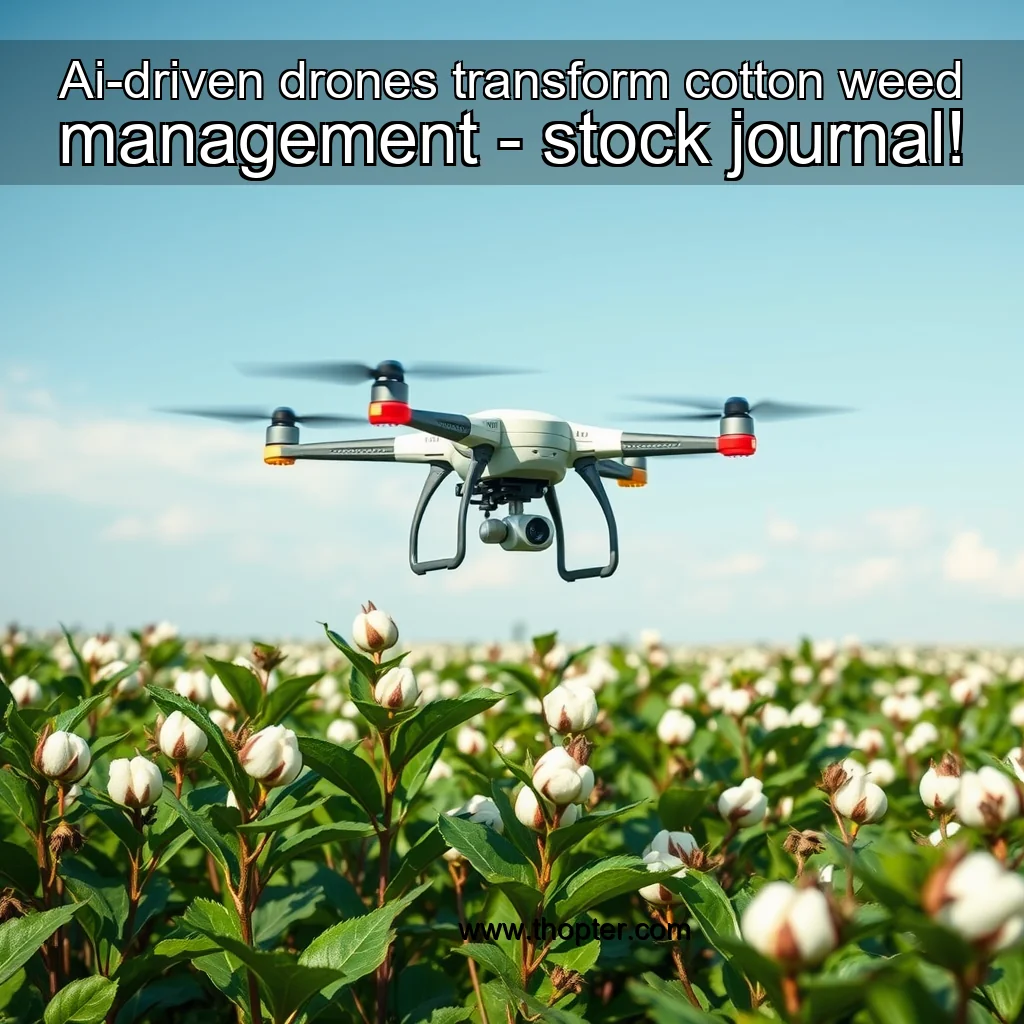
Precision agriculture is revolutionizing weed control with drones and AI.
The spraying drones are equipped with a precision sprayer that can apply the herbicide at the exact location of the weed, reducing waste and minimizing the impact on the environment.
The Future of Precision Agriculture: A Revolutionary Approach to Weed Control
The Problem of Weed Control in Agriculture
Weed control is a significant challenge in modern agriculture, with weeds competing with crops for water, nutrients, and light. Traditional methods of weed control, such as manual removal or herbicides, can be time-consuming, expensive, and environmentally damaging. The need for a more efficient and sustainable approach to weed control has led to the development of innovative technologies, including the use of drones and artificial intelligence.
The Prototype: A Game-Changer in Weed Control
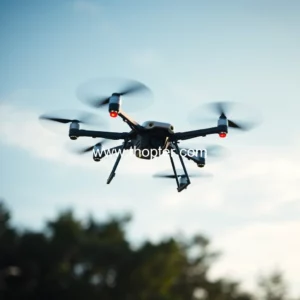
The prototype uses lightweight drones to capture thousands of high-resolution images across a crop. This allows for a detailed analysis of the crop’s health and weed distribution. The images are then processed locally using artificial intelligence algorithms, which identify weed locations and generate GPS coordinates. This data is transmitted to spraying drones, which use autonomous and localized communication to apply the herbicide at the exact location of the weed.
Key Features of the Prototype
“This approach allows us to target specific areas of the crop, reducing the amount of pesticide used and minimizing the impact on beneficial insects and the environment.”
The Benefits of Targeted Spraying
Targeted spraying is a more efficient and effective method of pesticide application, offering several benefits over traditional blanket spraying. By focusing on specific areas of the crop, farmers can reduce the amount of pesticide used, minimize the impact on beneficial insects, and protect the environment.
Reducing Pesticide Use
Minimizing the Impact on Beneficial Insects
Targeted spraying can also help minimize the impact on beneficial insects, such as bees and butterflies. By targeting specific areas of the crop, farmers can reduce the amount of pesticide used in areas where beneficial insects are present.
Protecting Beneficial Insects
The Future of Sustainable Farming: A Breakthrough in Regenerative Agriculture
The recent trial of a novel approach to regenerative agriculture has sparked hope for a cleaner, greener, and more cost-effective future for farming. This innovative method, which combines cutting-edge technology with traditional farming practices, has shown promising results in reducing the environmental impact of farming while increasing crop yields.
The Problem with Traditional Farming
Traditional farming practices have long been criticized for their negative impact on the environment. The use of synthetic fertilizers and pesticides has led to soil degradation, water pollution, and loss of biodiversity. Moreover, the intensive use of resources such as water and energy has resulted in significant greenhouse gas emissions. Key statistics: + 70% of the world’s freshwater resources are used for irrigation + 30% of global greenhouse gas emissions come from agricultural activities + Soil erosion and degradation affect 33% of the world’s arable land
The Regenerative Agriculture Approach
Regenerative agriculture, on the other hand, focuses on building soil health, biodiversity, and ecosystem services. This approach involves using natural methods to improve soil fertility, reduce erosion, and promote plant growth.

news is a contributor at Thopter. We are committed to providing well-researched, accurate, and valuable content to our readers.