
Drones have been used extensively in various military operations, including reconnaissance, surveillance, and combat missions. In this article, we will delve into the ways in which drones have impacted the Russia-Ukraine War, highlighting their advantages and disadvantages, as well as the implications for international relations and global security.
The Rise of Drone Technology in Modern Warfare
The use of drones in modern warfare has become increasingly prevalent in recent years, with many countries investing heavily in drone technology.
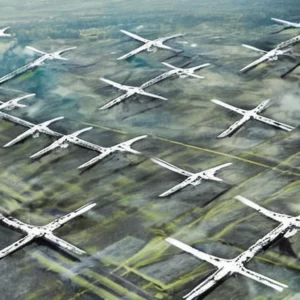
This allows the swarm to adapt to changing circumstances and respond to threats more effectively.
Swarm Technology and Its Potential Advantages
Swarm technology has the potential to revolutionize the way we approach various military and civilian applications. By enabling multiple drones to work together seamlessly, swarm technology can provide a range of benefits, including:
Real-World Applications
Swarm technology is already being explored in various fields, including:
The Rise of Swarm Technology in Ukraine
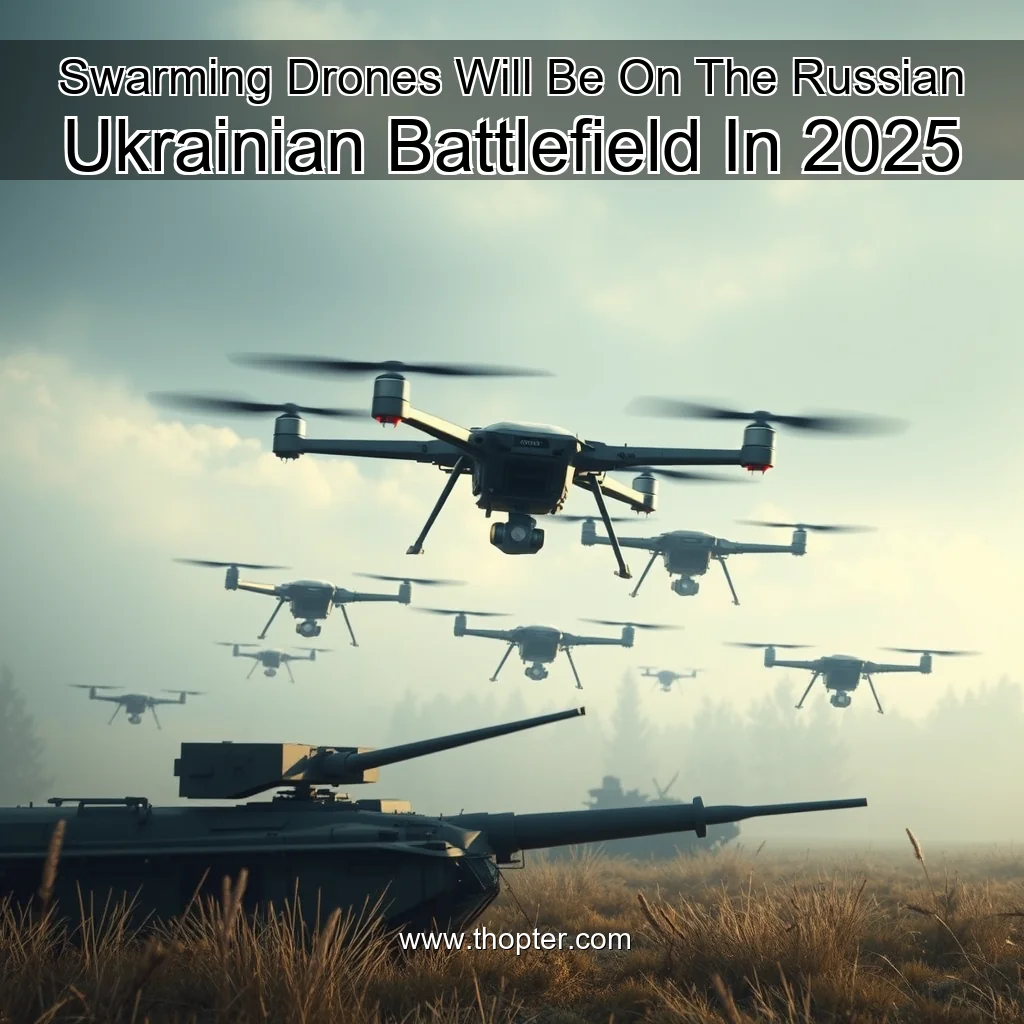
Ukraine has been at the forefront of swarm technology, leveraging advancements from the commercial sector to gain a significant edge in this field. The country’s military has been actively exploring the potential of swarm technology, and its efforts have been yielding promising results.
Advantages of Swarm Technology
Commercial Sector Advancements
Ukraine’s ability to leverage advancements from the commercial sector has been a key factor in its success in swarm technology. The country has been actively engaging with private companies and startups to develop and integrate swarm technology into its military operations.
Counter-Drone Defense Systems
The use of counter-drone defense systems has become increasingly important in recent years, particularly in regions with high drone activity such as Russia and Ukraine. These systems are designed to detect, track, and neutralize drones that pose a threat to national security.
Kinetic Countermeasures
Kinetic countermeasures involve the use of physical means to destroy or disable drones. This can include:
Non-Kinetic Countermeasures
Non-kinetic countermeasures involve the use of electronic warfare to exploit vulnerabilities in drone navigation and command signals. This can include:
This makes it difficult for conventional defenses to detect and neutralize the swarm.
Understanding the Threat of Swarms
Conventional Russian and Ukrainian counter-drone defenses are designed to detect and neutralize individual drones. However, these systems are not equipped to handle the complexities of swarms. The lack of standardization in drone design and communication protocols makes it challenging for conventional defenses to identify and target the swarm’s central node. Key challenges with conventional defenses: + Difficulty in detecting the central node + Limited ability to neutralize the swarm + Vulnerability to jamming and spoofing attacks
The Need for Advanced Countermeasures
To counter the threat of swarms, advanced countermeasures are necessary. These measures must be able to detect and identify the swarm’s central node, as well as neutralize the swarm’s overall threat.
The use of drones for surveillance and reconnaissance will also be increased, as both sides will be looking to gather intelligence on the other’s military capabilities and strategies.
The Rise of Drone Warfare
The use of drones in modern warfare has become increasingly prevalent in recent years. These unmanned aerial vehicles (UAVs) have revolutionized the way conflicts are fought, offering a range of benefits and drawbacks.
Drone technology is revolutionizing the Russia-Ukraine War with advanced designs, AI, and cybersecurity measures.
The Rise of Drone Technology in the Russia-Ukraine War
The Russia-Ukraine War has witnessed a significant escalation in drone usage over the past 34 months. This surge in drone development can be attributed to the conflict’s ongoing nature, which has led to a continuous need for innovative solutions to counter the enemy’s aerial capabilities.
Key Factors Contributing to the Rise of Drone Technology

news is a contributor at Thopter. We are committed to providing well-researched, accurate, and valuable content to our readers.