

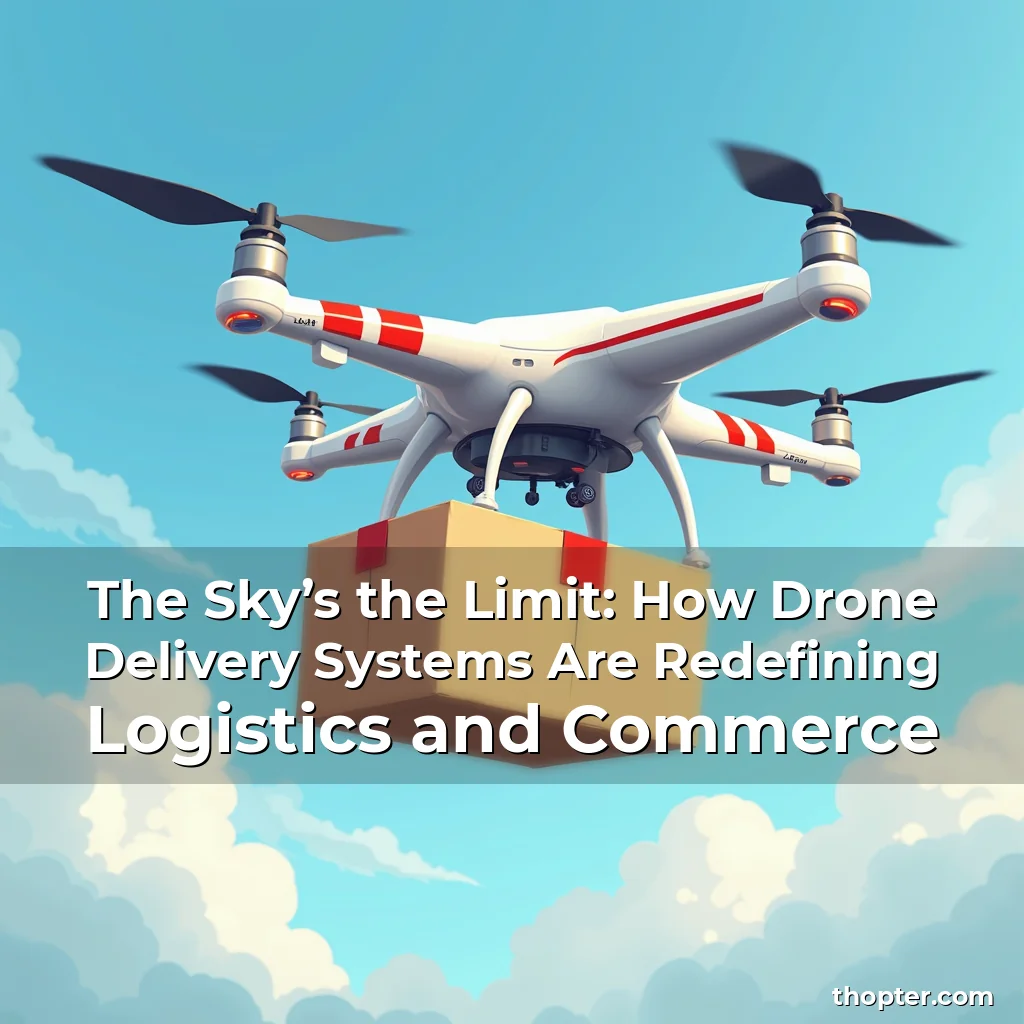
The Sky’s the Limit: How Drone Delivery Systems Are Redefining Logistics and Commerce
In an era defined by rapid technological advancement, drone delivery systems are emerging as a transformative force across industries ranging from e-commerce to healthcare. These unmanned aerial vehicles (UAVs) promise faster, cost-effective, and environmentally friendly solutions to age-old logistical challenges.
From delivering medical supplies to remote villages to transporting packages within urban centers, drones are redefining what’s possible in logistics. Their ability to bypass traffic congestion and access hard-to-reach areas is setting new benchmarks in efficiency and accessibility.
The Evolution of Drone Technology
Drones have come a long way since their inception during World War I when they were primarily used for reconnaissance missions. Today, advancements in battery technology, AI navigation, and lightweight materials have transformed them into sophisticated tools capable of autonomous deliveries.
Early models were limited by short flight times and basic control mechanisms. However, modern drones can now fly for extended periods, navigate complex environments, and even return to base autonomously using GPS and machine learning algorithms.
- Battery Innovations: Lithium-polymer batteries provide longer flight durations compared to traditional nickel-cadmium cells, allowing drones to cover greater distances without recharging.
- AI Integration: Machine learning enables real-time obstacle avoidance, route optimization, and predictive maintenance, significantly enhancing reliability and safety.
These innovations have paved the way for commercial applications that go beyond mere experimentation, ushering in a new chapter in transportation history.
Current Applications of Drone Deliveries
Different sectors are leveraging drone delivery systems in innovative ways. E-commerce giants like Amazon and Walmart are investing heavily in drone fleets to expedite last-mile delivery services.
Hospitals and pharmaceutical companies are utilizing drones to transport critical medications and blood samples quickly between facilities. This has proven invaluable in emergency situations where time is of the essence.
Healthcare Sector Breakthroughs
A study conducted by the University of California found that drone-delivered vaccines reduced delivery times by up to 80% in rural regions with poor infrastructure. This improvement drastically enhances public health outcomes.
Additionally, drones equipped with temperature-controlled compartments ensure that sensitive biological materials remain viable during transit, maintaining strict regulatory standards required for medical shipments.
Economic Implications of Drone Delivery Systems
The economic impact of implementing drone delivery networks spans various domains including job creation, operational cost reduction, and increased market reach. Businesses adopting these technologies often report significant savings due to decreased reliance on ground transportation.
Fuel costs account for a substantial portion of traditional delivery expenses. By replacing fuel-dependent vehicles with electric-powered drones, companies can achieve considerable reductions in overhead while also contributing positively to environmental sustainability efforts.
Environmental Benefits of Drones Over Traditional Methods
Compared to conventional delivery trucks, drones offer lower carbon emissions per package delivered. The shift towards electrification further amplifies these benefits, making drone-based logistics a greener alternative overall.
Electric propulsion systems eliminate tailpipe emissions associated with internal combustion engines, aligning with global initiatives aimed at reducing greenhouse gas emissions and combating climate change effectively.
Safety Considerations in Drone Operations
Safety remains paramount in any discussion surrounding drone deployment. Ensuring secure airspace management, preventing collisions, and adhering to FAA regulations are crucial aspects of responsible operation.
Advanced sensor arrays and geofencing capabilities help prevent unauthorized entry into restricted zones such as airports or densely populated neighborhoods, minimizing potential risks associated with civilian drone flights.
Navigating Regulatory Frameworks
Governments worldwide are developing comprehensive frameworks to govern commercial drone usage safely and efficiently. In the United States, the Federal Aviation Administration (FAA) oversees operations through Part 107 rules which set forth guidelines regarding pilot certification, aircraft registration, and operational limitations.
Similar regulatory bodies exist globally; however, each country imposes its own set of restrictions based on local conditions, population density, and existing air traffic patterns. Compliance with these regulations ensures both legal adherence and enhanced public trust.
Challenges Facing Widespread Adoption
Despite promising developments, several hurdles still need addressing before widespread adoption becomes feasible. Issues related to payload capacity, weather resistance, and cybersecurity threats pose ongoing concerns for stakeholders involved in drone delivery projects.
Currently available consumer-grade drones struggle with carrying heavier payloads over long distances reliably. Researchers are actively working on improving structural designs and material compositions to overcome these limitations effectively.
Cybersecurity Threats in Autonomous Flights
As drones become increasingly integrated into daily life, ensuring robust cybersecurity measures against hacking attempts becomes essential. Unauthorized access could lead to data breaches or malicious manipulation of flight paths.
To mitigate such risks, manufacturers implement encryption protocols alongside regular software updates designed specifically for securing communication channels between operators and their respective UAV platforms.
Future Trends Shaping Drone Delivery Systems
Ongoing research suggests exciting possibilities ahead for drone delivery systems. Emerging trends indicate continued improvements in autonomy levels along with expanded functionalities tailored toward niche markets such as agriculture or disaster relief scenarios.
Collaborative robotics—where multiple drones work together seamlessly—is another area showing tremendous growth potential. Such collaborative approaches enhance task completion rates while optimizing resource utilization during large-scale distribution events.
Community Impact and Public Perception
Public perception plays a vital role in determining how successfully drone delivery services will be adopted within communities. Initial skepticism must evolve into acceptance through transparent practices and demonstrable benefits offered by these technologies.
Engaging local populations via educational campaigns helps dispel misconceptions about privacy invasion fears or noise pollution issues commonly raised concerning nearby residential areas affected by frequent drone activity.
Investment Opportunities in Drone Technology
With growing interest from investors seeking high-growth opportunities, numerous startups specializing in drone development present attractive prospects for venture capital funding. These ventures span diverse fields from hardware manufacturing to specialized software solutions supporting fleet management operations.
Partnerships between established corporations and entrepreneurial firms facilitate innovation cycles necessary for sustaining competitive advantages amidst rapidly evolving industry landscapes characterized by continuous breakthroughs.
Case Studies: Real-world Success Stories
Several pioneering organizations have already demonstrated successful implementations of drone delivery systems under varying circumstances. One notable example includes Zipline International operating in Rwanda where drones deliver lifesaving medical supplies across vast territories efficiently.
This initiative showcases how strategic partnerships between governments and private entities enable scalable solutions addressing pressing societal needs particularly evident among underserved populations lacking adequate healthcare infrastructures traditionally provided by terrestrial means alone.
Conclusion
Drones represent much more than just futuristic gadgets—they signify profound shifts occurring within contemporary society driven largely by digital transformation processes impacting nearly every aspect of human existence today.
Embracing this evolution requires proactive engagement from all stakeholders involved—from policymakers crafting supportive legislation down to everyday consumers who stand poised to benefit immensely from improved service efficiencies brought forth by smartly implemented drone delivery ecosystems.