
The Sky’s the Limit: Exploring the World of Remote-Controlled Drones
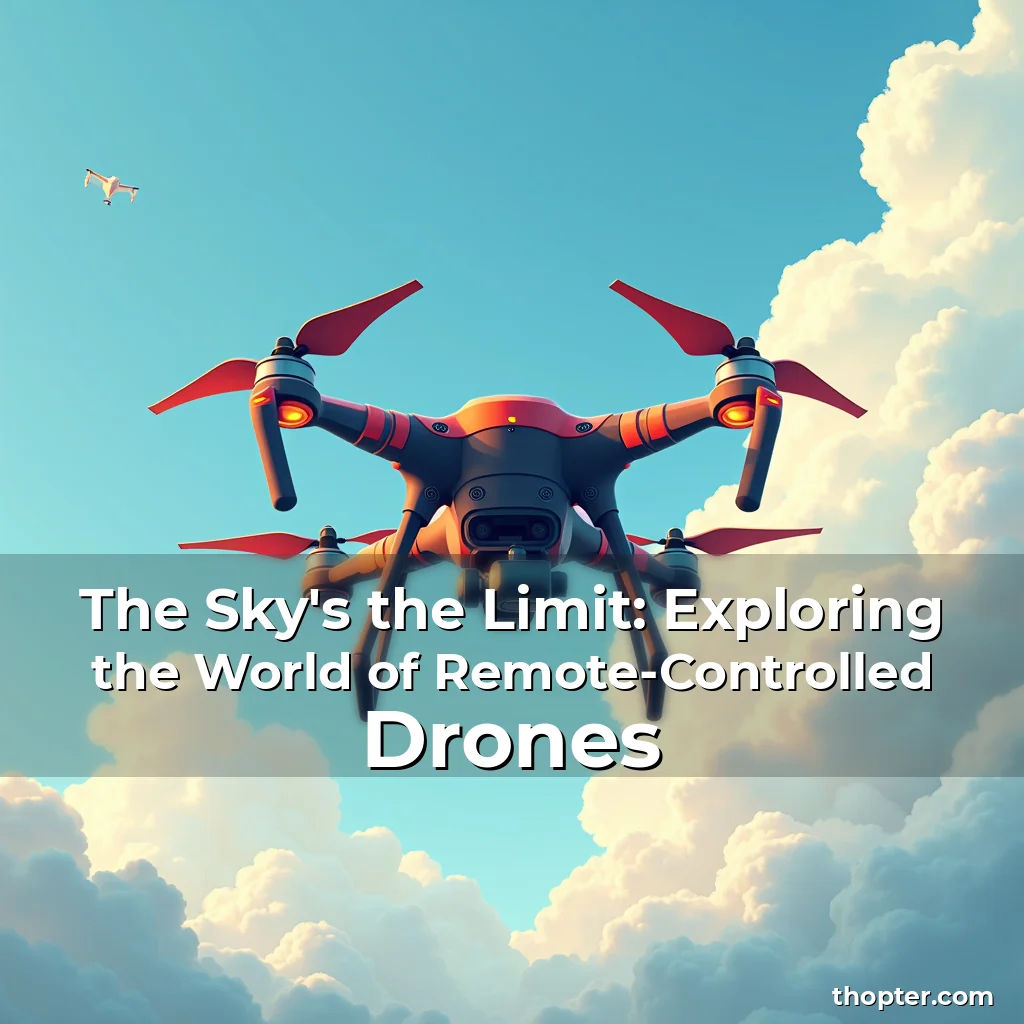
In recent years, remote-controlled drones have transformed from niche gadgets into essential tools across various industries and hobbies. These flying machines offer unparalleled versatility, enabling users to capture aerial footage, conduct inspections, and even deliver goods efficiently.
From professional photographers capturing breathtaking landscapes to engineers inspecting infrastructure, the applications of remote-controlled drones are as diverse as their capabilities. As technology advances, so does the potential for these devices to reshape our world.
The Evolution of Remote-Controlled Drones
The concept of remotely controlled flight dates back to the early 20th century, but modern drones have evolved dramatically over the past few decades. Early models were primarily used by military forces for reconnaissance missions, relying on bulky equipment and limited range.
With advancements in materials science, battery technology, and digital communication systems, consumer-grade drones became accessible to the general public around the year 2010. This marked a turning point in how people interacted with aerial technology.
Today’s drones feature advanced sensors, GPS navigation, obstacle avoidance systems, and high-resolution cameras capable of capturing stunning visuals from above. These innovations have expanded drone usage beyond mere recreation into critical sectors such as agriculture, construction, and emergency response.
The evolution continues rapidly with ongoing research focused on increasing autonomy, improving safety protocols, and enhancing integration with artificial intelligence technologies.
Diverse Applications Across Industries
Remote-controlled drones find extensive application in numerous fields due to their ability to access hard-to-reach areas quickly and safely. One prominent example is cinematography, where filmmakers utilize drones equipped with high-definition cameras to shoot dynamic scenes without requiring expensive helicopters or cranes.
Real estate professionals also benefit greatly from using drones during property listings. Aerial photographs provide prospective buyers with an overview of land size, landscape features, and architectural designs that traditional ground-level shots cannot convey effectively.
Agricultural practices have seen significant improvements through drone usage as well; farmers employ them for crop monitoring, spraying pesticides precisely, and analyzing soil conditions via multispectral imaging techniques which help optimize yield while minimizing environmental impact.
Beyond commercial uses, search-and-rescue operations frequently deploy drones during natural disasters when reaching victims becomes extremely challenging under hazardous circumstances caused by collapsed buildings or blocked roads.
Choosing Your First Drone: Key Considerations
Selecting your first remote-controlled drone can be overwhelming given the vast array available today. It is crucial to identify what purposes you intend to use it for since different types cater specifically towards particular needs.
If photography interests you most then look out for models offering stable gimbal mounts along with good camera resolution capabilities. However, if casual flying fun appeals more than serious shooting sessions consider opting instead for something lightweight yet durable enough withstand accidental crashes better.
Flight time duration plays another vital role too—some entry level units may only last fifteen minutes before needing recharging whereas others boast up to thirty minutes depending upon power source efficiency ratings provided by manufacturers themselves.
- Flying Range: Determine whether long distance flights matter significantly based upon intended activity type
- Safety Features: Look at built-in protections against collisions including automatic return home functions whenever signal loss occurs unexpectedly
Lastly don’t forget checking customer reviews online regarding reliability issues reported previously concerning specific brands ensuring satisfaction levels remain consistently high among owners who’ve purchased similar products earlier.
Understanding Drone Regulations & Safety Practices
As popularity grows surrounding unmanned aerial vehicles there exists increased emphasis placed upon adhering strictly following local laws governing airspace management particularly near airports or restricted zones designated by authorities responsible overseeing aviation activities within respective countries.
All pilots regardless experience level must register their aircraft according to national requirements typically involving filling forms online paying small fees allowing official tracking records maintained centrally for regulatory compliance purposes.
Operating below certain altitudes usually set at 400 feet helps avoid conflicts with manned aircraft operating commercially thus maintaining overall air traffic flow smoothness reducing chances encounters potentially dangerous situations occurring mid-air.
Maintaining visual line-of-sight contact remains mandatory unless utilizing special permissions granted exclusively after undergoing thorough training processes required prior obtaining necessary certifications validating competency levels achieved sufficiently meeting established standards.
Essential Components That Make Up Modern Drones
Modern remote-controlled drones consist of several key components working together seamlessly creating functional airborne platforms suitable performing wide variety tasks ranging simple recreational flying complex data collection missions carried out professionally everyday basis.
At core lies propulsion system comprising motors connected propellers generating lift force allowing device ascend float hover descend accurately wherever desired location dictated user input commands sent wirelessly through radio frequency signals transmitted between transmitter receiver pair.
Battery packs serve dual purpose powering entire mechanism providing energy storage solution rechargeable nature making repeated usages feasible economical manner especially considering initial investment costs involved acquiring quality unit initially.
Cameras integrated onboard enable recording video still images simultaneously often featuring stabilization mechanisms preventing unwanted vibrations shaking resulting clearer sharper results captured compared handheld alternatives lacking such enhancements.
Advanced Technologies Enhancing Drone Capabilities
Recent technological breakthroughs continue pushing boundaries further expanding possibilities associated employing remote-controlled drones increasingly sophisticated ways never imagined before relatively recent past.
Artificial Intelligence now enables autonomous flight paths calculated dynamically adapting changing environments encountered en route destination specified operator interface displayed screens monitors located conveniently close pilot station setup area.
Obstacle detection algorithms implemented real-time processing sensor inputs identifying nearby objects automatically adjusting trajectories accordingly avoiding potential collisions preserving integrity both machine human beings situated vicinity operation zone defined parameters outlined regulations enforced locally nationally internationally.
Moreover enhanced connectivity options allow streaming live feeds directly smartphones tablets computers facilitating instant review analysis collected information streamed wirelessly eliminating need wait until later times analyze gathered material post mission completion.
Potential Risks Associated With Operating Unmanned Aircraft Systems
Despite many benefits offered utilization remote-controlled drones caution advised always mindful possible risks inherent handling sensitive electronic devices susceptible damage caused mishandling improper maintenance procedures overlooked regularly scheduled checkups recommended prevent unexpected failures occurring during active missions undertaken routinely.
Accidental collisions pose considerable threat damaging property endangering lives especially when flown proximity populated areas without adequate precautions taken beforehand establishing safe distances observed meticulously throughout entire duration operation period planned ahead thoroughly mapped out routes selected carefully avoiding densely packed crowds gatherings events happening concurrently.
Data privacy concerns arise naturally whenever collecting imagery containing personal identifiable information inadvertently recorded unintentionally violating legal obligations protecting individual rights respecting confidentiality expectations held society generally speaking universally accepted norms governing ethical behavior expected participants engaged activities involving surveillance technologies deployed indiscriminately without consent obtained properly documented transparently communicated clearly upfront beforehand.
To mitigate these dangers rigorous adherence followed manufacturer guidelines manuals included packaging alongside attending certified workshops seminars organized periodically educating enthusiasts latest developments emerging trends shaping future direction industry moving forward collectively striving achieve balance innovation responsibility coexistence harmony between progress protection.
Future Trends Shaping Next Generation Of Drones
Ongoing research initiatives worldwide aim developing next generation drones incorporating cutting edge materials lightweight composites strengthening structural resilience durability subjected harsh weather conditions extreme temperatures fluctuating atmospheric pressures experienced higher altitudes longer durations extended periods exposure elements outdoor environments.
Integration augmented reality interfaces promises revolutionizing how operators perceive surroundings virtually overlaying digital information physical space aiding navigation precision landing maneuvers executed effortlessly intuitively guided assistance rendered instantly responding immediate changes topographical features terrain characteristics encountered along journey traversed systematically premeditated plans executed flawlessly.
Swarm robotics represents exciting frontier wherein multiple drones collaborate autonomously executing coordinated actions synchronized movements mimicking biological organisms functioning interdependently achieving collective objectives greater efficiency surpassing capacities single entity acting independently isolated circumstance absent support network members contributing shared resources knowledge toward common goal pursuit excellence performance optimization outcomes delivered reliably consistently predictable fashion.
Ultimately continued investment directed advancing drone technology ensures sustainable growth sector fostering inclusive ecosystem welcoming diverse stakeholders participating shaping trajectory development innovations impacting positively global economy communities served benefiting immensely improved accessibility affordability empowering individuals organizations alike harness transformative capabilities unleashed unlocking new opportunities hitherto unattainable previous limitations constrained progress confined narrow perspectives outdated paradigms obsolete methodologies.
Conclusion
Remote-controlled drones represent remarkable fusion engineering artistry practical utility serving multitude roles reshaping perceptions possibilities afforded mankind interacting skies once thought unreachable inaccessible.
By understanding fundamentals behind these fascinating machines selecting appropriate model aligning priorities interests embracing evolving regulations safety measures cultivating awareness potential hazards preparing oneself迎接 challenges ahead confidently navigating ever-changing landscape technological advancement driving humanity toward unprecedented heights achievements realized through collaborative efforts dedicated pioneers trailblazers forging path future generations inherit legacy inspired continual exploration discovery propelled ceaseless curiosity innate desire transcend ordinary explore extraordinary.