
Revolutionizing Farming: How Agricultural Drones Are Transforming Modern Agriculture
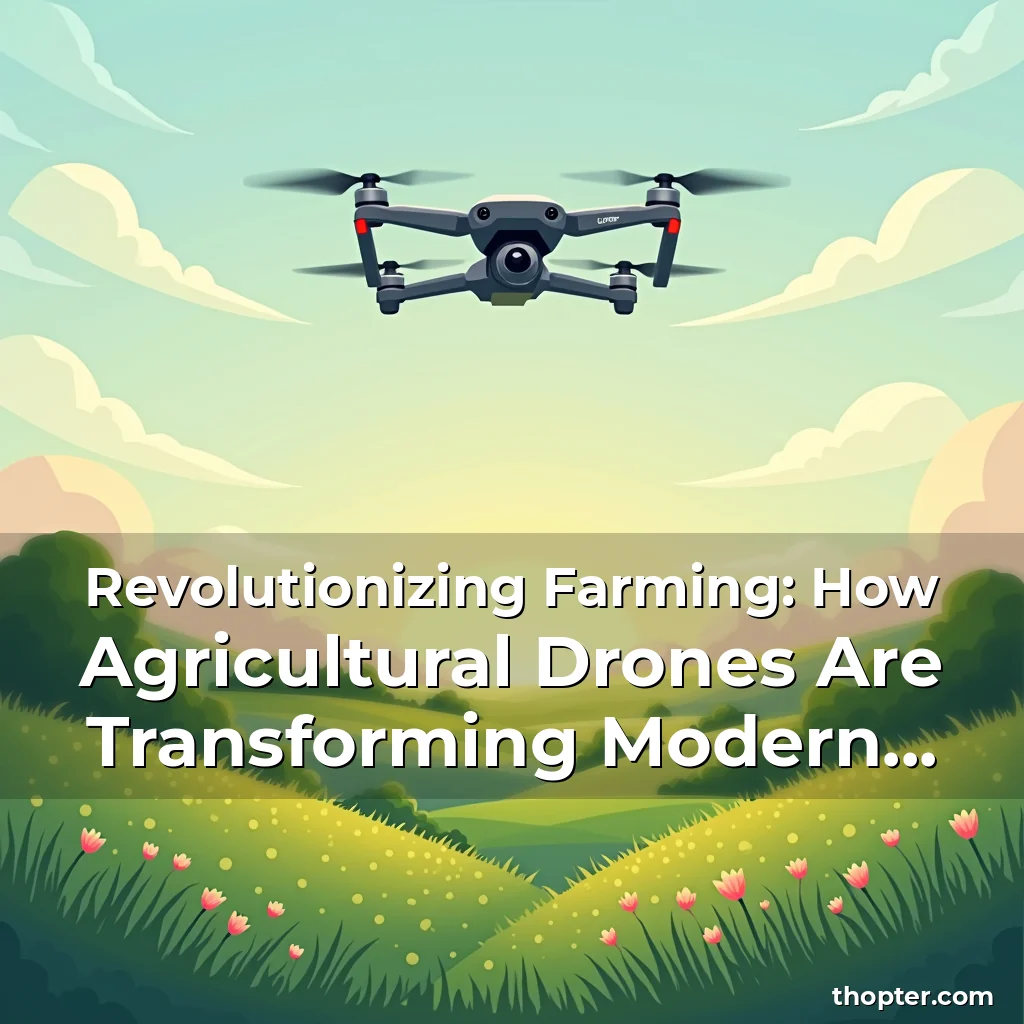
Agricultural drones are reshaping the landscape of farming, offering precision, efficiency, and innovation at every stage of cultivation. These unmanned aerial vehicles (UAVs) combine cutting-edge technology with practical agronomic knowledge to enhance productivity and sustainability across global farms.
From planting seeds to harvesting crops, drones are becoming indispensable tools for farmers seeking to optimize resources and reduce waste. Their ability to collect real-time data and automate repetitive tasks marks a pivotal shift toward smarter, data-driven agriculture.
The Evolution of Agricultural Technology: From Manual Labor to Drone Automation
The history of agriculture is marked by technological breakthroughs that have continually improved food production. Early innovations like plows and tractors revolutionized manual labor, while modern technologies such as GPS-guided machinery and IoT devices have further streamlined operations.
Drones represent the latest frontier in this evolutionary journey, merging aerial surveillance with advanced analytics to address challenges once deemed insurmountable. Unlike traditional equipment, they offer unparalleled flexibility in accessing hard-to-reach areas and gathering hyper-localized data.
- Data Precision: Equipped with high-resolution cameras and multispectral sensors, drones capture detailed images of fields, enabling precise assessments of plant health and growth patterns.
- Cost Efficiency: By reducing reliance on expensive ground-based equipment and minimizing chemical overuse, drones lower operational costs without compromising yield quality.
Core Features of Agricultural Drones: Powering Innovation in the Field
Agricultural drones come in various forms, each designed to meet specific farm needs. Key components include robust flight systems, specialized imaging hardware, and software platforms for analyzing collected data.
Modern models often integrate GPS navigation for accurate mapping, obstacle avoidance systems to prevent collisions, and weather-resistant builds suitable for diverse climates. These features ensure reliable performance even in challenging conditions.
Battery longevity has also seen significant improvements, allowing longer flight times and broader coverage areas. Some advanced units can operate for over 30 minutes before needing recharging, covering vast hectares efficiently.
In addition to standard capabilities, many drones now support autonomous operation, guided by pre-programmed flight paths. This reduces human intervention and increases consistency in data collection and treatment application.
Applications of Agricultural Drones: Beyond Just Spraying Pesticides
Drones serve far more than just pesticide delivery; they act as multifunctional tools capable of addressing nearly every aspect of farming. Tasks range from seed planting to crop monitoring, making them versatile additions to any agribusiness toolkit.
One prominent use case involves crop scouting, where drones identify issues like nutrient deficiencies, pest infestations, or disease outbreaks early. Timely detection allows farmers to intervene effectively, saving both money and harvest yields.
Precision Irrigation Management
By using thermal imaging, drones detect variations in moisture levels within fields. Farmers can then adjust irrigation schedules precisely, ensuring water is used optimally without wastage or overwatering.
This level of customization helps conserve natural resources while maintaining healthy crop development. Studies show that targeted irrigation can reduce water consumption by up to 30% compared to conventional methods.
Sustainable Practices Enabled by Agricultural Drones
Farmers increasingly prioritize eco-friendly practices, and drones play a crucial role in achieving these goals. They facilitate organic farming techniques by minimizing synthetic input usage and promoting biodiversity preservation.
Through targeted pesticide and fertilizer application, drones help avoid runoff pollution, which protects nearby ecosystems and groundwater sources. This targeted approach aligns perfectly with regenerative agriculture principles aimed at restoring soil health.
Moreover, drones aid in carbon sequestration efforts by identifying optimal areas for cover cropping and conservation tillage. Such strategies contribute significantly to combating climate change through sustainable land management.
Economic Impact: Boosting Profits Through Intelligent Farming
The economic benefits of adopting agricultural drones extend beyond immediate cost reductions; they create new revenue streams and open doors to higher-value markets. For instance, premium produce grown using drone-assisted techniques commands better prices due to its superior quality assurance.
Time saved from automated processes translates into opportunities for diversification, whether expanding crop varieties or investing in ancillary services like agritourism. This adaptability enhances overall farm resilience against market fluctuations.
Smallholder farmers benefit particularly from accessible drone solutions tailored for smaller plots. Affordable entry-level models empower them to compete globally by improving output standards comparable to industrial-scale producers.
Challenges Faced in Implementing Agricultural Drones
Despite numerous advantages, integrating drones into existing workflows presents several hurdles. High upfront costs remain a barrier for some farmers, especially those operating on tight budgets or lacking access to financing options.
Technical complexity poses another challenge; mastering drone operation requires training that may be unfamiliar territory for many agricultural workers accustomed to hands-on fieldwork rather than digital interfaces.
Regulatory frameworks vary widely across regions, affecting airspace permissions and data privacy laws governing agricultural activities. Navigating these regulations demands careful attention to local policies and legal guidelines.
Lastly, cybersecurity threats targeting connected drone networks pose emerging risks that must be mitigated through secure network protocols and regular system updates to protect sensitive farm information.
The Future of Agri-Drones: Trends Shaping Tomorrow’s Farms
Rapid advancements in artificial intelligence promise to elevate drone functionality dramatically soon. Machine learning algorithms will enable predictive analytics based on historical data sets, forecasting future crop outcomes with remarkable accuracy.
Swarm robotics represents another exciting trend where fleets of coordinated drones work together seamlessly, mimicking ant colonies’ cooperative behaviors. This collective intelligence promises unprecedented scalability and responsiveness during peak seasons.
Integration with blockchain technology holds transformative potential too, providing transparent tracking mechanisms from seed sourcing to final sale. Consumers gain trust via verifiable product histories, fostering loyalty among ethically conscious buyers.
As battery technology improves exponentially, we’ll witness extended missions spanning entire days without recharge cycles—an essential leap forward for large-scale commercial deployments requiring continuous monitoring capabilities.
Community Adoption & Education Initiatives Driving Growth
To fully realize the potential of agricultural drones, widespread education initiatives must accompany technological progress. Universities and extension programs worldwide are developing curricula focused specifically on drone utilization within agricultural contexts.
Workshops and certification courses teach aspiring pilots everything from basic flight mechanics to advanced data interpretation skills. These educational efforts demystify complex systems and build confidence among novices eager to embrace new methodologies.
Industry partnerships with NGOs foster grassroots movements supporting smallholder farmers who lack technical expertise or financial means to invest independently in innovative tools. Shared ownership models allow communities to collectively benefit from shared drone assets.
Online forums and social media groups dedicated solely to agri-drones promote peer-to-peer learning experiences, exchanging best practices across geographical boundaries. This collaborative spirit accelerates knowledge dissemination rapidly among enthusiasts globally.
Conclusion
Agricultural drones stand at the forefront of a green revolution redefining how societies grow food sustainably yet profitably. Their influence spans from enhancing individual farmer livelihoods to contributing positively towards planetary well-being through responsible resource stewardship.
Embracing this technology isn’t merely optional—it’s imperative for cultivating resilient food systems adept at facing tomorrow’s ecological uncertainties. As pioneers adopt these intelligent machines today, they pave pathways for generations ahead toward thriving, self-sustaining agricultural landscapes.