
With the stroke of a pen, Governor Gladys Wanga has set in motion a game-changing initiative that promises to slash delivery times for life-saving medicines and blood products to remote healthcare facilities in Homa Bay County. By securing the County Executive Committee’s green light for a memorandum of understanding (MoU) with Zipline International Kenya, the governor has opened the door for drone deliveries that could revolutionize emergency care in the region. The Zipline International Kenya deal marks a significant milestone in the national shift toward tech-powered public services. As Agriculture Cabinet Secretary Mutahi Kagwe recently unveiled plans to deploy drones for soil-data collection, this partnership further demonstrates the potential of autonomous aircraft to transform public healthcare. Key Highlights:
• **84 Health Facilities to Receive Supplies in 20-50 Minutes**
• **Faster Access to Emergency Care: A Matter of Minutes**
• **African Counties Join the Drones-for-Health Revolution**
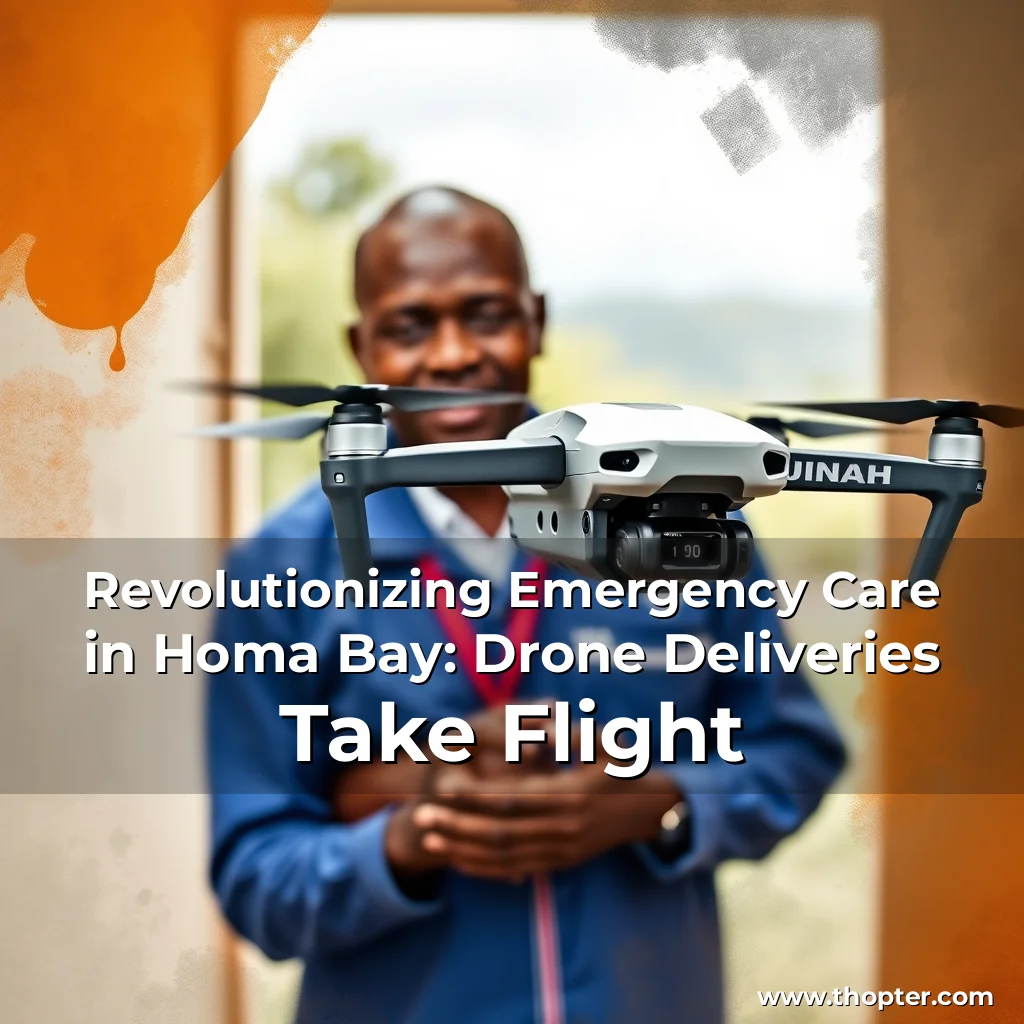
• **Revolutionizing Emergency Care in Homa Bay: Drone Deliveries Take Flight**
The benefits of this drone delivery project are multifaceted. Clinicians in remote wards stand to gain significantly from the increased access to life-saving medicines and blood products. In obstetric emergencies, for instance, the timely delivery of blood can save countless lives. Similarly, the speedier delivery of paediatric medicines can have a direct impact on reducing mortality rates among children under five. According to Governor Wanga, the initial phase of the project will see 84 health facilities receive supplies within 20 to 50 minutes. By focusing on these facilities in the opening phase, the county aims to ensure that emergency drugs and supplies reach even the most challenging locations quickly, overcoming obstacles posed by terrain or bad weather. “By focusing on 84 facilities in the initial phase, we want to ensure emergency drugs and supplies reach even the most challenging locations quickly, overcoming obstacles posed by terrain or bad weather,” Wanga said, adding that the county expects each drop to land “in under an hour, improving access to emergency care significantly.”
The partnership with Zipline International Kenya marks a significant step forward in the deployment of drone technology for public healthcare. Zipline has been delivering medicine, vaccines, and blood across Rwanda for several years, gaining international acclaim for its innovative approach. The project is part of a broader national effort to leverage technology to transform public healthcare. **Why This Matters**
For clinicians in remote wards, the drone corridor offers a lifeline to critical care. The faster delivery of life-saving medicines and blood products can have a direct impact on reducing maternal and child mortality rates.
| Benefits of Drone Deliveries | Examples |
|---|---|
| Faster access to emergency care | Reducing maternal mortality rates through timely delivery of blood in obstetric emergencies. |
| Improved supply chain efficiency | Increased speed and reliability of delivery, overcoming obstacles posed by terrain or bad weather. |
| Enhanced patient care | Reducing mortality rates among children under five through speedier delivery of paediatric medicines. |
In conclusion, the drone delivery project in Homa Bay represents a significant step forward in the national shift toward tech-powered public services. As the project unfolds, we can expect to see improved access to emergency care, enhanced patient outcomes, and a significant reduction in mortality rates.