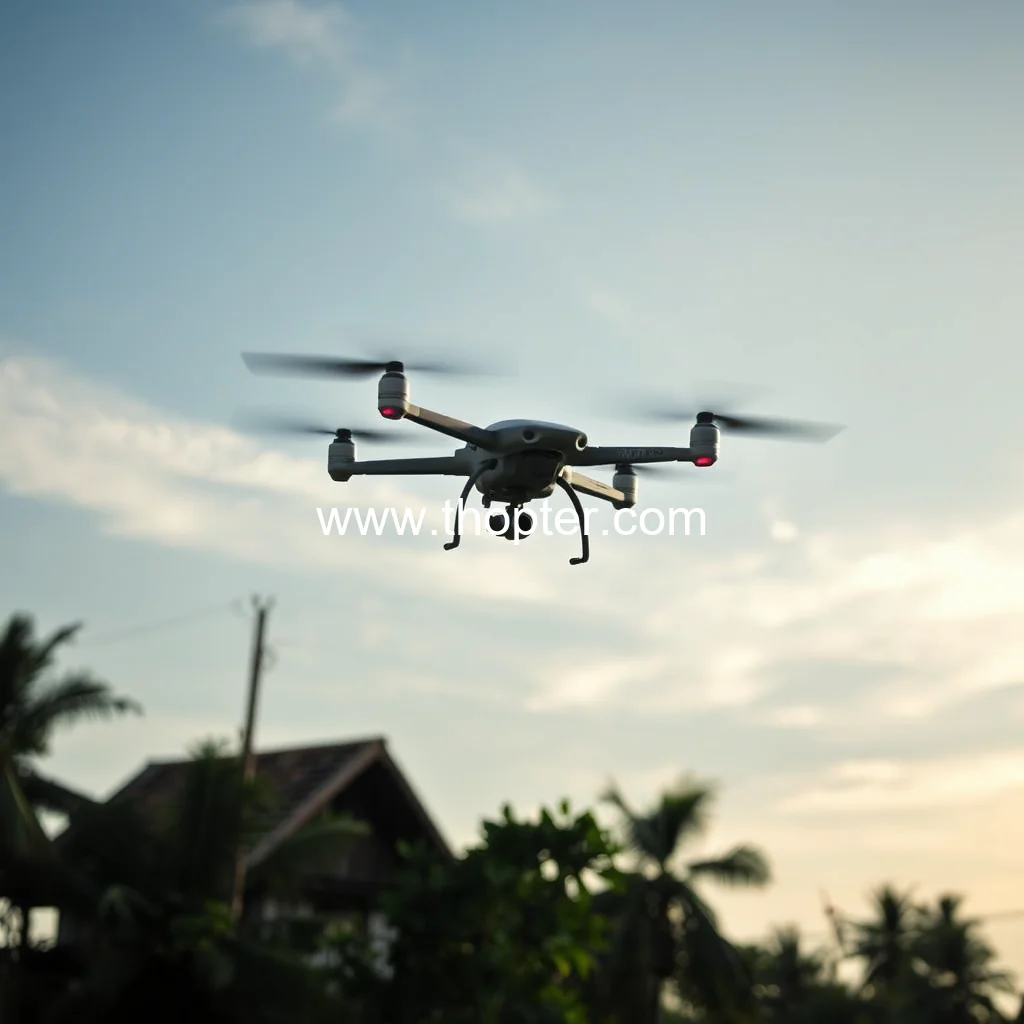
The use of drones has been particularly effective in targeting rebel groups in the country’s ethnically diverse regions, where the military has historically faced resistance. The military’s reliance on drones has raised concerns among human rights organizations and international observers. The use of unmanned aerial vehicles (UAVs) in warfare has been a controversial topic for years, with many arguing that it poses a significant threat to civilian populations. In Myanmar, the military has been accused of using drones to carry out targeted killings and indiscriminate bombings, often in densely populated areas. These attacks have resulted in numerous civilian casualties and have sparked international condemnation. The military’s use of drones has also raised questions about the legality of such actions under international law. The United Nations has called for an investigation into the use of drones in Myanmar, and several countries have imposed sanctions on the military.
The Rise of Drone Warfare in Myanmar
The use of drones in conflict zones has become increasingly prevalent, and Myanmar is no exception. The military’s reliance on these unmanned aerial vehicles (UAVs) has grown as they face significant challenges from rebel groups. Surveillance and Intelligence Gathering:*
- – Drones provide real-time intelligence on enemy movements and positions. – They can monitor large areas, allowing for efficient resource allocation.
The Rise of Surveillance Drones in Myanmar
The junta in Myanmar has turned to Russia for specialized surveillance drones, according to analysts. This move comes amidst international sanctions imposed by the United States and the European Union on the sale of weapons to the Myanmar military. International Sanctions: The U.S. and EU have placed embargoes on the sale of weapons to the Myanmar military. *Rising Use of Drones*: Despite these sanctions, the junta has sought out alternative sources for surveillance technology.
Recommended Reading: Russia prepares to deploy fpv drones from helicopters against sea drone threatsThe Role of Russia
Russia has become a key player in supplying Myanmar with surveillance drones. This relationship has raised concerns among international observers, who fear that the technology could be used for human rights abuses. Alternative Suppliers: The junta’s decision to source drones from Russia highlights the challenges faced by sanctioned nations in obtaining necessary military equipment. *Potential for Misuse*: The use of surveillance drones by the junta could lead to increased monitoring and potential human rights violations.
Implications for International Relations
The junta’s procurement of drones from Russia has significant implications for international relations. It challenges the effectiveness of sanctions and raises questions about the global community’s ability to respond to human rights abuses. Sanctions Efficacy: The success of sanctions in deterring the junta’s actions is now under scrutiny.
The Evolution of Drone Munitions
The military’s drone program has seen significant advancements in recent years, with a particular focus on enhancing the precision and effectiveness of aerial attacks. One of the most notable developments is the introduction of customized bombs designed specifically for drone deployment. Customized Bomb Design: These bombs are cylindrical in shape, featuring stabilizing fins that ensure accurate delivery upon impact. *Aesthetic Customization*: To blend in with the drone’s appearance, the bombs are painted in army green, with yellow stenciled lettering for easy identification.
You Might Also Enjoy: Zelensky's 2025 drone deployment boosts ukrainian defense resilience.Enhanced Precision in Aerial Warfare
The integration of these customized bombs into drone operations represents a leap forward in military technology. The stabilizing fins play a crucial role in ensuring that the munitions hit their intended targets with minimal deviation. Stabilizing Fins: These fins are engineered to maintain the bomb’s orientation during flight, allowing for a more controlled and precise impact.
The Devastating Drone Strike in Budalin Township
On July 10, a tragic event unfolded in Budalin township when the military executed a drone strike on a medical clinic. The attack, which was captured on videos and shared on pro-military social media channels, resulted in the death of six innocent people. * The strike was carried out by the military
- The target was a medical clinic
- Six lives were lost
- Videos of the attack were shared on pro-military social media channels
The incident has sparked outrage and condemnation from various quarters. The use of a medical facility as a target is a grave violation of international humanitarian law.
The Rise of Drone Warfare in Myanmar
In recent years, the conflict in Myanmar has taken a new turn with the introduction of low-cost drones by rebel forces. This technological advancement has significantly altered the dynamics of the ongoing struggle, providing the rebels with a strategic edge. Introduction to Drone Warfare*
- Definition: Low-cost drones are unmanned aerial vehicles (UAVs) that are relatively inexpensive and easy to operate. Purpose: Used for surveillance, reconnaissance, and targeted attacks. Historical Context*
- Myanmar’s long-standing conflict has seen various tactics employed by both sides. Traditional warfare methods have been challenged by the advent of modern technology.
The Rise of Drone Warfare
The use of drones in military operations has seen a significant increase, with reports from defectors indicating that hundreds of drones have been weaponized by the military. This shift towards unmanned aerial vehicles (UAVs) represents a new era in warfare, one that is both controversial and transformative. Increased Surveillance and Precision*
- Drones provide real-time surveillance, allowing for precise targeting and reduced collateral damage. Enhanced situational awareness for military strategists. Operational Efficiency*
- Lower risk to military personnel as drones can be operated remotely.
The Tragic Incident of Nay Lin
In a heart-wrenching incident, a young soldier named Nay Lin, aged 30, found himself in the midst of a life-altering event while on duty in Kawkareik. The unforeseen tragedy unfolded when a bomb was detonated near his camp, resulting in severe injuries that would change his life forever. Nay Lin, a dedicated soldier, was on his way to engage in combat.
The Intricate Web of Drone Technology in Myanmar
In recent years, the use of drones in military operations has become increasingly prevalent, and Myanmar is no exception. The country has reportedly acquired at least one type of Russian surveillance drone, the Orlan 10E, which has been used for various purposes. The Orlan 10E is a medium-altitude, long-endurance (MALE) drone, capable of flying for up to 24 hours and covering a range of up to 1,000 kilometers. This drone is equipped with high-resolution cameras, thermal imaging, and other sensors, making it a valuable tool for surveillance and reconnaissance missions.
Albatross: A Russian Drone Developer in Myanmar
Another Russian drone developer, Albatross, has also been working with the Myanmar military.
Unveiling the Shadows: Inside UAV Manufacturers in Myanmar
In a startling revelation, Alexander Dudov, an intermediary, has shed light on the clandestine operations of UAV manufacturers in Myanmar. This discovery, made through an email dated February 7, 2024, has sent ripples through the international community, raising questions about the country’s military and its covert activities. The Intermediary’s Misunderstanding Initially, Dudov’s intentions were misconstrued. He believed he was communicating with a representative of the Myanmar military, not realizing he was actually speaking to a Post reporter. This misunderstanding underscores the complex web of secrecy surrounding the UAV industry in Myanmar. *The UAV Industry in Myanmar* Myanmar, a country with a tumultuous history, has seen its share of military engagements.
The building was owned by a local albatross, a rare bird species, which was known for its unique nesting habits and conservation efforts. The incident sparked outrage among environmentalists and bird enthusiasts, who feared the impact on the albatross population. Slaughter, a researcher at the University of Washington, highlighted the potential implications of such incidents on the delicate balance between military operations and environmental conservation. She pointed out that the albatross, a symbol of the region’s biodiversity, could suffer significant harm due to military activities. The incident also raised questions about the transparency and accountability of the Myanmar military. Critics argue that the military’s actions, including the use of drones, often lack proper oversight and can lead to unintended consequences. In response to the incident, local conservation groups and international organizations have called for increased scrutiny of military operations in environmentally sensitive areas. They argue that protecting the albatross and other endangered species should be a priority, even in conflict zones. The Myanmar military has yet to provide a detailed explanation of the incident, leading to speculation and concern among the international community.
Tan reported from Singapore, Quinley reported from Kayah state, Myanmar and Yan Naing reported from Bangkok. Mary Ilyushina contributed reporting from Berlin.
news is a contributor at Thopter. We are committed to providing well-researched, accurate, and valuable content to our readers.
You May Also Like