
The Sky’s the Limit: Revolutionizing Farming with Precision Agriculture Drones
In an era where technology is reshaping every industry, agriculture stands at the forefront of innovation through the integration of agricultural drones. These aerial machines are transforming traditional farming practices by offering precise data collection, efficient crop monitoring, and targeted interventions that were once unimaginable.
With rising global food demands and limited arable land, farmers are turning to drone technology as a sustainable solution. This shift not only enhances productivity but also addresses environmental concerns by minimizing resource waste and promoting eco-friendly farming techniques.
Precision Agriculture Redefined
Agricultural drones have become pivotal tools in precision agriculture, enabling farmers to monitor vast fields with unprecedented accuracy. Equipped with advanced sensors and imaging technologies, these drones collect critical data such as soil moisture levels, plant health indices, and pest infestation patterns.
This real-time information empowers growers to make informed decisions quickly. By identifying areas requiring attention before issues escalate, farmers can optimize their resources and reduce losses due to disease or pests.
For instance, multispectral cameras allow detection of stress signals in crops long before visible symptoms appear. Similarly, thermal imaging helps assess irrigation efficiency and identify water-stressed regions within a field.
- Data Accuracy: High-resolution imagery ensures precise mapping and analysis of crop conditions.
- Time Efficiency: Rapid coverage of large areas reduces manual inspection time significantly.
Efficient Crop Monitoring Made Possible
Crop monitoring has evolved from labor-intensive manual checks to automated surveillance using agricultural drones. Regular flights over fields enable continuous tracking of growth stages, nutrient deficiencies, and overall field health without disrupting farm operations.
Farmers benefit from consistent updates on crop development timelines. This allows them to synchronize planting schedules with optimal weather windows while ensuring timely harvests based on accurate maturity assessments.
Sensors That See Beyond the Visible Spectrum
Modern agricultural drones come equipped with specialized sensors capable of detecting wavelengths beyond human vision. These include near-infrared (NIR) sensors used primarily for vegetation analysis and LiDAR systems providing three-dimensional terrain models useful for contour mapping.
These advanced sensor capabilities offer deeper insights into both above-ground biomass and below-ground root structures. Such data proves invaluable when assessing soil quality variations across different plots.
Beyond Visual Inspection: Advanced Analytics
The true power of agricultural drones lies in their ability to generate actionable analytics from collected data. Through cloud-based platforms, farmers receive detailed reports highlighting trends, anomalies, and predictive insights tailored specifically for their farms.
Analytical software processes drone-collected images using machine learning algorithms trained on extensive agricultural datasets. This enables early prediction of yield potential weeks ahead of actual harvest times.
Moreover, AI-driven pattern recognition identifies emerging threats like fungal outbreaks or insect invasions faster than conventional methods ever could. Early intervention becomes possible thanks to this proactive approach.
Targeted Interventions with Precision Spraying Systems
One of the most impactful applications of agricultural drones is their use in targeted spraying operations. Unlike traditional broad-spectrum pesticide application methods, drone-mounted sprayers deliver chemicals precisely where they’re needed—minimizing chemical usage and reducing environmental impact.
Smart dispensing mechanisms ensure even distribution while avoiding overspray onto non-target areas such as nearby water bodies or beneficial habitats. This targeted delivery system dramatically cuts down on operational costs associated with excess chemical purchases and disposal.
Additionally, variable rate technology adjusts spray volumes according to pre-mapped zones identified during earlier drone surveys. Areas showing signs of deficiency get higher concentrations whereas healthy sections receive minimal treatment.
Improving Irrigation Practices Through Drone Technology
Drought conditions pose significant challenges to modern agriculture. However, agricultural drones play a crucial role in optimizing irrigation strategies by pinpointing dry spots and determining exact watering needs for each segment of a field.
By analyzing evapotranspiration rates captured via satellite or drone-mounted sensors, farmers can schedule irrigation cycles more effectively. This prevents overwatering which leads to runoff pollution and under-watering resulting in poor yields.
Furthermore, drones assist in evaluating sprinkler system performance post-installation. They detect misaligned nozzles or blocked filters causing uneven water distribution patterns—an issue often overlooked until noticeable crop damage occurs.
Eco-Friendly Solutions for Sustainable Farming
The adoption of agricultural drones contributes significantly towards achieving sustainability goals within the agri-food sector. Their capacity to minimize chemical inputs aligns perfectly with organic farming principles aimed at preserving biodiversity and maintaining ecological balance.
Farms utilizing drone-assisted management report substantial reductions in synthetic fertilizer use. This decrease not only lowers input expenses but also mitigates risks posed by nutrient leaching into groundwater sources affecting aquatic ecosystems downstream.
In addition, reduced fuel consumption from eliminating unnecessary tractor passes further decreases carbon footprints. Electric-powered drones represent another green alternative gaining traction among environmentally conscious operators seeking zero-emission solutions.
Challenges Faced While Implementing Drone Technology In Agribusiness
Despite numerous benefits offered by agricultural drones, several obstacles hinder widespread implementation across various farming scales. Regulatory restrictions imposed by aviation authorities create barriers particularly concerning flight permissions and airspace regulations compliance.
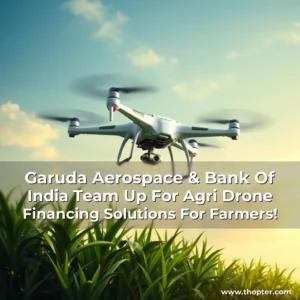
Initial investment costs remain high for smallholder farmers who might lack access to financing options necessary for acquiring state-of-the-art equipment. Maintenance requirements add complexity since improper handling can lead to costly breakdowns or inaccurate readings.
Also, there exists a knowledge gap regarding how best to utilize drone-derived data effectively. Training programs need expansion so users understand interpretation nuances behind generated maps or heat signatures indicating problematic areas needing immediate action.
Future Prospects And Innovations In Agricultural Drone Technology
Ongoing research initiatives promise exciting advancements poised to revolutionize current agricultural drone functionalities further. Emerging developments suggest enhanced autonomy features allowing fully autonomous missions executed without direct human oversight.
Newly designed swarm intelligence protocols could enable coordinated multi-drone operations covering larger expanses efficiently compared to single-unit deployments currently practiced. Such innovations would drastically cut operation times required for surveying expansive farmlands.
Moreover, integration with blockchain technology offers secure storage mechanisms protecting sensitive agronomic data against cyber threats while ensuring traceability throughout supply chain logistics involving harvested produce destined for marketplaces worldwide.
Community Engagement & Educational Initiatives Around Agricultural Drones
As interest grows around agricultural drone applications, educational institutions along with government agencies are stepping up efforts to foster wider acceptance through training programs targeting aspiring pilots and existing farmers alike.
Workshops focusing on basic piloting skills combined with hands-on experience operating sample units help demystify complex technical aspects making it easier for newcomers entering this rapidly evolving domain. Partnerships between tech firms and local cooperatives facilitate shared access models benefiting small-scale producers economically disadvantaged otherwise.
Such collaborative approaches ensure equitable dissemination of cutting-edge tools regardless of financial status thereby democratizing access to transformative technologies shaping tomorrow’s agricultural landscape.
Conclusion
Agricultural drones represent a monumental leap forward in modern farming methodologies. Their multifaceted roles spanning from data acquisition to targeted interventions underscore their indispensability in today’s increasingly competitive agricultural environment.
Embracing these technological marvels requires commitment toward overcoming present limitations including regulatory hurdles and initial capital outlays. Yet, with growing support networks forming globally, we stand on the brink of ushering in a new age characterized by smarter, greener, and ultimately more productive forms of cultivation practices rooted firmly within digital transformation paradigms.