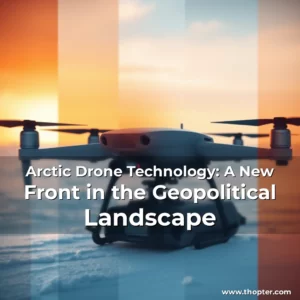

The Sky’s New Frontier: Innovations Shaping Modern Drone Technology
In an era where technology continually redefines human capability, drones have emerged as a transformative force across industries ranging from agriculture to emergency response. These aerial machines are not merely tools—they represent a new dimension of exploration, efficiency, and innovation that is reshaping how we interact with our environment.
From capturing breathtaking aerial photography to delivering critical medical supplies in remote areas, drone technology has evolved beyond its initial military applications to become an integral part of modern life. This article delves deep into the world of drone technology, exploring its advancements, challenges, and potential future impact.
Evolving Capabilities of Unmanned Aerial Vehicles (UAVs)
The journey of unmanned aerial vehicles began in the early 20th century but gained momentum in recent decades due to significant technological breakthroughs. Today’s drones range from small consumer models used by hobbyists to complex industrial systems equipped with advanced sensors and AI capabilities.
Drones now feature enhanced flight stability through sophisticated gyroscopic controls and GPS navigation systems. They can autonomously follow pre-programmed routes while avoiding obstacles using real-time data processing and machine learning algorithms.
- Autonomous Navigation: Advanced drones employ computer vision and LiDAR scanning to map their surroundings dynamically, enabling them to avoid collisions even in crowded environments.
- Extended Range: With improved battery technology and energy-efficient propulsion systems, commercial drones can operate over longer distances without compromising performance or safety standards.
The integration of swarm intelligence allows multiple drones to work collaboratively on tasks such as surveying vast landscapes or conducting search-and-rescue missions with remarkable precision and speed.
Recent developments include hybrid-electric engines that promise greater endurance and reduced environmental impact compared to traditional fuel-based alternatives.
Applications Across Diverse Industries
The versatility of drone technology makes it applicable across various sectors, each leveraging its unique advantages differently. Agriculture benefits significantly from aerial monitoring solutions that help optimize crop yields and reduce resource consumption.
Construction sites utilize drones for progress tracking, ensuring projects stay within budget constraints while minimizing risks associated with manual inspections at great heights.
Emergency services rely heavily on drones during natural disasters, using thermal imaging cameras to locate survivors quickly amidst rubble or inaccessible terrain.
Logistics companies experiment with delivery drones capable of transporting packages efficiently between urban centers, potentially revolutionizing last-mile delivery processes worldwide.
Environmental researchers deploy drones equipped with multispectral sensors to monitor deforestation rates and track wildlife movements without disturbing ecosystems naturally.
Hospitals explore the use of drones for rapid transport of blood samples, organs, or essential medications to underserved regions suffering from inadequate transportation infrastructure.
Agricultural Revolution Through Precision Farming
Precision farming represents one of the most impactful uses of drone technology in agriculture today. By collecting high-resolution imagery and analyzing soil conditions remotely, farmers gain invaluable insights into their fields’ health status.
Drones fitted with infrared cameras detect plant stress levels before visible symptoms appear, allowing timely intervention measures against pests or nutrient deficiencies.
Variable rate application techniques enable targeted pesticide distribution based on individual field needs rather than blanket spraying entire plots indiscriminately.
This approach conserves resources while promoting sustainable agricultural practices aligned with global food security goals set forth by international organizations like FAO.
Moreover, autonomous irrigation management guided by drone-collected moisture readings ensures optimal water usage during drought-prone seasons.
Advancements in Drone Safety and Regulation
Safety remains paramount when deploying drones in public spaces or near sensitive facilities. Manufacturers continuously develop fail-safe mechanisms designed to prevent accidents caused by technical malfunctions or external interference.
Modern drones incorporate geofencing features that restrict operations around airports, power plants, and other restricted zones automatically based on preloaded databases containing location-specific regulations.
Certification requirements vary globally depending on jurisdiction; however, many countries mandate pilot training courses covering airspace rules, emergency protocols, and responsible flying practices.
Regulatory bodies actively collaborate with industry stakeholders to establish guidelines ensuring safe coexistence between manned aircraft and UAV traffic through digital air traffic control systems being tested currently.
Public awareness campaigns educate communities about privacy concerns linked to unauthorized surveillance activities conducted via commercially available drones.
Futuristic Trends Driving Next-Generation Drones
Looking ahead, several emerging trends signal promising directions for future drone development. One notable trend involves integrating artificial intelligence deeper into operational frameworks enhancing decision-making autonomy at unprecedented levels.
AI-powered drones could soon perform intricate tasks requiring cognitive abilities previously exclusive to humans—such as identifying structural weaknesses in buildings through visual analysis alone without needing explicit programming instructions beforehand.
Swarm robotics combined with quantum computing may unlock possibilities once deemed science fiction, enabling massive networks of coordinated drones executing complex missions simultaneously across different geographical locations seamlessly.
Materials science innovations will lead to lighter yet stronger composite structures reducing overall weight burdens thus increasing payload capacities significantly over existing models.
Blockchain technologies might be employed eventually for secure communication channels between operators and fleets guaranteeing tamper-proof transaction logs regarding cargo transfers among others critical functions.
Challenges Facing Widespread Adoption
Despite immense potential benefits offered by drone technology, certain barriers hinder full realization of these promises. Issues related to cybersecurity pose serious threats since hijacked drones could cause catastrophic damage both physically and digitally alike.
Privacy violations remain another contentious issue especially concerning residential neighborhoods where unregulated drone flights raise ethical questions about personal space invasions without consent.
Battery limitations continue constraining operational ranges preventing widespread implementation particularly in scenarios demanding prolonged deployment periods exceeding current capabilities comfortably.
Cost considerations also play crucial roles determining accessibility levels across socioeconomic strata affecting equitable access opportunities afforded by cutting-edge technologies generally.
Lastly, legal ambiguities persist surrounding liability assignments post-collision incidents involving third parties raising complicated insurance implications requiring nuanced policy adjustments accordingly.
Educational Opportunities & Community Engagement
As interest grows exponentially amongst enthusiasts seeking hands-on experience working closely alongside these fascinating devices, educational programs tailored specifically towards aspiring pilots emerge increasingly prevalent nowadays.
Academic institutions offer specialized degree tracks focusing entirely upon unmanned vehicle engineering principles incorporating interdisciplinary approaches blending mechanical design aspects together with software development components simultaneously.
Youth-oriented initiatives promote STEM education utilizing affordable DIY kits allowing students ages twelve upwards engage practically constructing functional prototypes under supervision fostering curiosity along developmental stages effectively.
Community events centered around friendly competitions encourage participants honing skills required operating diverse types successfully navigating obstacle courses challenging spatial awareness abilities profoundly.
These collaborative efforts cultivate inclusive environments nurturing next-generation innovators poised shape tomorrow’s technological landscape positively impacting society broadly.
Conclusion
Drone technology stands at the forefront of contemporary innovation, offering groundbreaking solutions across numerous domains while simultaneously presenting novel challenges requiring careful consideration moving forward responsibly.
To fully harness its transformative power safely and ethically, continued investment in research, robust regulatory frameworks, and proactive community engagement must remain priorities shaping policies guiding future implementations judiciously toward common good objectives universally.