
The Sky’s New Frontier: Exploring the World of Drone Technology
In an era where technology continues to redefine human capability, drones have emerged not merely as gadgets but as transformative tools reshaping industries from agriculture to emergency response.
Their evolution from simple remote-controlled devices to sophisticated autonomous systems has sparked both innovation and regulation across the globe, inviting enthusiasts and professionals alike to explore their vast potential.
A Historical Perspective on Drone Development
Drones trace their origins back to the early 20th century when they were primarily used for military reconnaissance during conflicts such as World War I and II.
These initial models, often referred to as unmanned aerial vehicles (UAVs), were rudimentary compared to today’s standards, relying heavily on manual control and limited by technological constraints.
As advancements in materials science, electronics, and computing power accelerated through the late 20th century, the capabilities of drones began expanding beyond warfare into civilian applications.
This transition marked the beginning of a new chapter where drones started being employed for tasks ranging from aerial photography to environmental monitoring.
- Military Origins: The first known use dates back to 1916 with the Kettering Bug, which was essentially a self-propelled missile without guidance.
- Civilian Adoption: By the 1980s, hobbyists had begun experimenting with radio-controlled aircraft that laid groundwork for modern drone design principles.
Modern Applications Across Industries
Today, drones are integral components within numerous sectors due to their versatility and cost-effectiveness compared to traditional methods.
They enable rapid data collection over expansive areas while minimizing risks associated with sending humans into hazardous environments.
From inspecting infrastructure like bridges or wind turbines to delivering medical supplies in remote locations, drones offer solutions previously unimaginable.
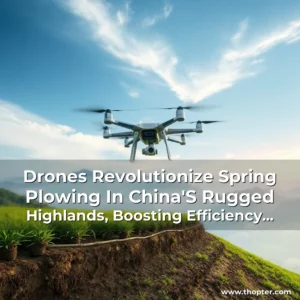
Moreover, agricultural practices benefit immensely from drone usage through precision farming techniques involving crop health analysis using multispectral imaging technologies.
Farming Revolution Through Precision Agriculture
By utilizing high-resolution cameras and sensors, farmers can monitor soil moisture levels, detect pest infestations, and assess plant growth conditions accurately.
Data gathered via drone surveys allows for targeted pesticide application reducing chemical waste significantly—up to 30% less according to recent studies conducted by agricultural research institutions worldwide.
Such efficiency improvements contribute towards sustainable farming practices aiming at conserving natural resources while maximizing yield outputs efficiently.
This integration exemplifies how cutting-edge tech meets age-old challenges head-on ensuring food security amidst growing populations globally.
Technological Innovations Driving Advancement
Rapid progress in battery technology has extended flight times allowing drones greater operational flexibility across diverse missions.
Lithium-ion batteries currently dominate the market offering higher energy density than older nickel-based alternatives thus enabling longer duration flights before recharging becomes necessary.
However, emerging solid-state battery designs promise even better performance metrics including enhanced safety profiles against thermal runaway incidents common with liquid electrolyte variants.
Alongside these developments, improvements in GPS accuracy combined with advanced obstacle avoidance algorithms enhance navigation reliability crucially important especially during complex urban operations.
- Battery Evolution: From lead-acid predecessors weighing several pounds now replaced entirely by lighter lithium compounds supporting multi-hour missions easily.
- Navigational Enhancements: Incorporation of RTK (Real-Time Kinematic) positioning systems provides centimeter-level precision essential for mapping projects requiring utmost accuracy standards.
Regulatory Frameworks Governing Drone Usage
Governments around the world recognize the need for structured regulations governing commercial and recreational drone activities to ensure public safety airspace integrity remains uncompromised.
The Federal Aviation Administration (FAA) in the United States mandates registration requirements for all drones exceeding certain weight thresholds along with adherence to specific flying restrictions near airports or sensitive facilities.
Similar frameworks exist internationally under bodies like EASA (European Union Aviation Safety Agency) imposing strict compliance measures aimed at mitigating collision risks between manned aircrafts and unmanned counterparts operating simultaneously within shared skies.
Pilots must obtain certifications proving proficiency handling various scenarios including weather disruptions sudden mechanical failures necessitating immediate action protocols strictly defined by regulatory guidelines issued periodically updated based upon evolving industry needs.
- Registration Mandates: In many jurisdictions drones above 250 grams require official registrations providing unique identifiers trackable via national databases enhancing accountability among operators.
- No-Fly Zones: Geofencing technologies integrated into consumer grade units automatically prevent unauthorized entry into restricted airspaces thereby preventing accidental breaches potentially leading catastrophic consequences otherwise avoidable through proactive digital safeguards.
Evolving Consumer Market Trends & Innovations
The consumer segment represents one of fastest-growing markets within overall drone ecosystem driven largely by decreasing costs coupled increasing accessibility thanks partly attributable miniaturization trends observed consistently since mid-2010s onwards.
Entry-level quadcopters equipped basic stabilization features now available affordable price points making them popular choices among beginners seeking hands-on experience exploring aerial perspectives novel ways.
Meanwhile premium offerings boast gimbal-mounted cameras capable capturing 4K video footage alongside AI-powered image processing engines facilitating automatic subject tracking face recognition functionalities useful professional videographers cinematographers alike.
Advancements don’t stop there; foldable frames compact designs cater portability demands users desire convenience carrying equipment wherever adventure beckons whether hiking trails cityscapes.
Future Prospects Within Consumer Sector
Looking ahead, we anticipate further convergence between smartphone ecosystems smart home networks enabling seamless connectivity experiences hinging upon IoT paradigms increasingly prevalent contemporary living spaces.
Voice command interfaces gesture controls may soon become standard features empowering intuitive interactions manage flight parameters adjust camera settings effortlessly without needing physical touchscreens present current iterations.
Additionally augmented reality overlays could transform viewing experiences transforming static images dynamic interactive elements provide deeper contextual information instantly accessible viewer simply pointing device towards desired target object.
Such enhancements signify broader movement toward democratizing access sophisticated technologies once reserved exclusive domains experts specialists opening doors wider audiences eager embrace future possibilities unfolding horizon above us daily.
Environmental Impact & Sustainability Considerations
While drones undeniably bring significant benefits across multitude fields, concerns regarding ecological footprints cannot overlooked particularly concerning end-of-life disposal procedures involved manufacturing processes utilized production cycles spanning years.
Manufacturers are gradually adopting eco-friendly materials biodegradable components aim minimize long-term pollution effects associated conventional plastics metals traditionally favored constructing durable lightweight structures required effective propulsion mechanisms efficient energy consumption patterns.
Recycling initiatives gaining traction wherein old units collected disassembled parts reused remanufactured components repurposed new products aligning circular economy principles promoting resource conservation efforts ongoing global sustainability agendas pursued collectively international communities striving balance development preservation nature harmoniously coexisting together.
Furthermore carbon emissions generated powering operations remain relatively low compared traditional transportation modes although cumulative impact warrants careful evaluation especially mass deployment scenarios expected forthcoming decades.
- Eco-Material Integration: Companies experimenting graphene composites bio-resins replace petroleum-derived polymers reduce toxic residues left behind decommissioned hardware items.
- Energy Efficiency Gains: Optimized aerodynamic shapes reduced drag forces allow motors operate lower RPM ranges consuming less electricity achieving same thrust outputs consequently lowering total energy expenditure required completing given mission profile.
Community Building Around Drone Enthusiasts
Thriving online forums dedicated drone discussions serve vital role connecting individuals passionate mastering craft advancing knowledge base continuously expanding repertoire skills acquired through trial error real-world experimentation.
Regular meetups local chapters organized enthusiasts gather exchange ideas troubleshoot issues collaborate projects fostering sense belonging camaraderie central pillars strong supportive network nurtures innovation encourages responsible usage habits cultivating respectful attitude toward fellow pilots respecting rules established authorities maintaining safe skies everyone involved regardless expertise level attained.
Competitions organized annually challenge participants push boundaries technical capabilities creative ingenuity showcasing latest advancements spotlighting pioneers shaping trajectory field compelling narratives emerge highlighting journey transformation ordinary citizen curious explorer devoted expert committed lifelong learner fascinated mysteries aviation ever-evolving landscape.
Through these communal efforts, a culture develops emphasizing education, ethical practice, and mutual support—an ethos critical to sustaining the vibrant spirit of the drone community as it navigates both its triumphs and challenges.
Conclusion
Drones represent more than just flying machines—they embody humanity’s relentless pursuit of innovation and our ability to adapt technology to solve complex problems across various domains.
Whether aiding disaster relief, advancing scientific research, or enriching personal hobbies, the impact of drones is profound and far-reaching.
As we look forward, continued investment in R&D will be key to unlocking new potentials while ensuring responsible stewardship of this powerful tool that so elegantly merges engineering prowess with practical utility.
For those stepping into the world of drones, remember: every flight begins with curiosity and ends with responsibility—a principle worth embracing wholeheartedly as you chart your own course through the sky’s new frontier.
“`html
The Sky’s New Frontier: Exploring the World of Drone Technology
In an era where technology continues to redefine human capability, drones have emerged not merely as gadgets but as transformative tools reshaping industries from agriculture to emergency response.
Their evolution from simple remote-controlled devices to sophisticated autonomous systems has sparked both innovation and regulation across the globe, inviting enthusiasts and professionals alike to explore their vast potential.
A Historical Perspective on Drone Development
Drones trace their origins back to the early 20th century when they were primarily used for military reconnaissance during conflicts such as World War I and II.
These initial models, often referred to as unmanned aerial vehicles (UAVs), were rudimentary compared to today’s standards, relying heavily on manual control and limited by technological constraints.
As advancements in materials science, electronics, and computing power accelerated through the late 20th century, the capabilities of drones began expanding beyond warfare into civilian applications.
This transition marked the beginning of a new chapter where drones started being employed for tasks ranging from aerial photography to environmental monitoring.
- Military Origins: The first known use dates back to 1916 with the Kettering Bug, which was essentially a self-propelled missile without guidance.
- Civilian Adoption: By the 1980s, hobbyists had begun experimenting with radio-controlled aircraft that laid groundwork for modern drone design principles.
Modern Applications Across Industries
Today, drones are integral components within numerous sectors due to their versatility and cost-effectiveness compared to traditional methods.
They enable rapid data collection over expansive areas while minimizing risks associated with sending humans into hazardous environments.
From inspecting infrastructure like bridges or wind turbines to delivering medical supplies in remote locations, drones offer solutions previously unimaginable.
Moreover, agricultural practices benefit immensely from drone usage through precision farming techniques involving crop health analysis using multispectral imaging technologies.
Farming Revolution Through Precision Agriculture
By utilizing high-resolution cameras and sensors, farmers can monitor soil moisture levels, detect pest infestations, and assess plant growth conditions accurately.
Data gathered via drone surveys allows for targeted pesticide application reducing chemical waste significantly—up to 30% less according to recent studies conducted by agricultural research institutions worldwide.
Such efficiency improvements contribute towards sustainable farming practices aiming at conserving natural resources while maximizing yield outputs efficiently.
This integration exemplifies how cutting-edge tech meets age-old challenges head-on ensuring food security amidst growing populations globally.
Technological Innovations Driving Advancement
Rapid progress in battery technology has extended flight times allowing drones greater operational flexibility across diverse missions.
Lithium-ion batteries currently dominate the market offering higher energy density than older nickel-based alternatives thus enabling longer duration flights before recharging becomes necessary.
However, emerging solid-state battery designs promise even better performance metrics including enhanced safety profiles against thermal runaway incidents common with liquid electrolyte variants.
Alongside these developments, improvements in GPS accuracy combined with advanced obstacle avoidance algorithms enhance navigation reliability crucially important especially during complex urban operations.
- Battery Evolution: From lead-acid predecessors weighing several pounds now replaced entirely by lighter lithium compounds supporting multi-hour missions easily.
- Navigational Enhancements: Incorporation of RTK (Real-Time Kinematic) positioning systems provides centimeter-level precision essential for mapping projects requiring utmost accuracy standards.
Regulatory Frameworks Governing Drone Usage
Governments around the world recognize the need for structured regulations governing commercial and recreational drone activities to ensure public safety airspace integrity remains uncompromised.
The Federal Aviation Administration (FAA) in the United States mandates registration requirements for all drones exceeding certain weight thresholds along with adherence to specific flying restrictions near airports or sensitive facilities.
Similar frameworks exist internationally under bodies like EASA (European Union Aviation Safety Agency) imposing strict compliance measures aimed at mitigating collision risks between manned aircrafts and unmanned counterparts operating simultaneously within shared skies.
Pilots must obtain certifications proving proficiency handling various scenarios including weather disruptions sudden mechanical failures necessitating immediate action protocols strictly defined by regulatory guidelines issued periodically updated based upon evolving industry needs.
- Registration Mandates: In many jurisdictions drones above 250 grams require official registrations providing unique identifiers trackable via national databases enhancing accountability among operators.
- No-Fly Zones: Geofencing technologies integrated into consumer grade units automatically prevent unauthorized entry into restricted airspaces thereby preventing accidental breaches potentially leading catastrophic consequences otherwise avoidable through proactive digital safeguards.
Evolving Consumer Market Trends & Innovations
The consumer segment represents one of fastest-growing markets within overall drone ecosystem driven largely by decreasing costs coupled increasing accessibility thanks partly attributable miniaturization trends observed consistently since mid-2010s onwards.
Entry-level quadcopters equipped basic stabilization features now available affordable price points making them popular choices among beginners seeking hands-on experience exploring aerial perspectives novel ways.
Meanwhile premium offerings boast gimbal-mounted cameras capable capturing 4K video footage alongside AI-powered image processing engines facilitating automatic subject tracking face recognition functionalities useful professional videographers cinematographers alike.
Advancements don’t stop there; foldable frames compact designs cater portability demands users desire convenience carrying equipment wherever adventure beckons whether hiking trails cityscapes.
Future Prospects Within Consumer Sector
Looking ahead, we anticipate further convergence between smartphone ecosystems smart home networks enabling seamless connectivity experiences hinging upon IoT paradigms increasingly prevalent contemporary living spaces.
Voice command interfaces gesture controls may soon become standard features empowering intuitive interactions manage flight parameters adjust camera settings effortlessly without needing physical touchscreens present current iterations.
Additionally augmented reality overlays could transform viewing experiences transforming static images dynamic interactive elements provide deeper contextual information instantly accessible viewer simply pointing device towards desired target object.
Such enhancements signify broader movement toward democratizing access sophisticated technologies once reserved exclusive domains experts specialists opening doors wider audiences eager embrace future possibilities unfolding horizon above us daily.
Environmental Impact & Sustainability Considerations
While drones undeniably bring significant benefits across multitude fields, concerns regarding ecological footprints cannot overlooked particularly concerning end-of-life disposal procedures involved manufacturing processes utilized production cycles spanning years.
Manufacturers are gradually adopting eco-friendly materials biodegradable components aim minimize long-term pollution effects associated conventional plastics metals traditionally favored constructing durable lightweight structures required effective propulsion mechanisms efficient energy consumption patterns.
Recycling initiatives gaining traction wherein old units collected disassembled parts reused remanufactured components repurposed new products aligning circular economy principles promoting resource conservation efforts ongoing global sustainability agendas pursued collectively international communities striving balance development preservation nature harmoniously coexisting together.
Furthermore carbon emissions generated powering operations remain relatively low compared traditional transportation modes although cumulative impact warrants careful evaluation especially mass deployment scenarios expected forthcoming decades.
- Eco-Material Integration: Companies experimenting graphene composites bio-resins replace petroleum-derived polymers reduce toxic residues left behind decommissioned hardware items.
- Energy Efficiency Gains: Optimized aerodynamic shapes reduced drag forces allow motors operate lower RPM ranges consuming less electricity achieving same thrust outputs consequently lowering total energy expenditure required completing given mission profile.
Community Building Around Drone Enthusiasts
Thriving online forums dedicated drone discussions serve vital role connecting individuals passionate mastering craft advancing knowledge base continuously expanding repertoire skills acquired through trial error real-world experimentation.
Regular meetups local chapters organized enthusiasts gather exchange ideas troubleshoot issues collaborate projects fostering sense belonging camaraderie central pillars strong supportive network nurtures innovation encourages responsible usage habits cultivating respectful attitude toward fellow pilots respecting rules established authorities maintaining safe skies everyone involved regardless expertise level attained.
Competitions organized annually challenge participants push boundaries technical capabilities creative ingenuity showcasing latest advancements spotlighting pioneers shaping trajectory field compelling narratives emerge highlighting journey transformation ordinary citizen curious explorer devoted expert committed lifelong learner fascinated mysteries aviation ever-evolving landscape.
Through these communal efforts, a culture develops emphasizing education, ethical practice, and mutual support—an ethos critical to sustaining the vibrant spirit of the drone community as it navigates both its triumphs and challenges.
Conclusion
Drones represent more than just flying machines—they embody humanity’s relentless pursuit of innovation and our ability to adapt technology to solve complex problems across various domains.
Whether aiding disaster relief, advancing scientific research, or enriching personal hobbies, the impact of drones is profound and far-reaching.
As we look forward, continued investment in R&D will be key to unlocking new potentials while ensuring responsible stewardship of this powerful tool that so elegantly merges engineering prowess with practical utility.
For those stepping into the world of drones, remember: every flight begins with curiosity and ends with responsibility—a principle worth embracing wholeheartedly as you chart your own course through the sky’s new frontier.
“`