The Rise of Unidentified Flying Objects
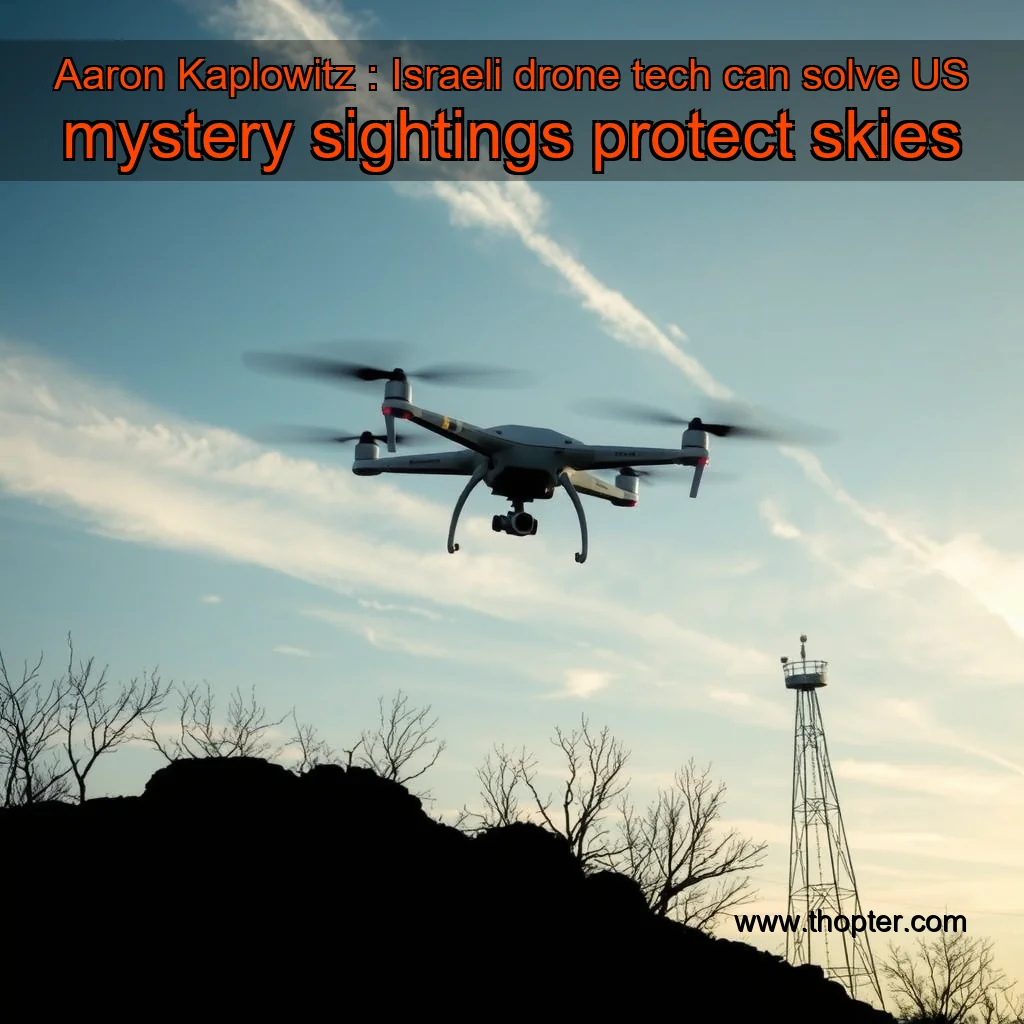
The recent surge in UFO sightings along the East Coast has left many wondering if we are on the brink of a new era of aerial surveillance. With the rapid advancement of drone technology, the number of unidentified flying objects (UFOs) has increased exponentially, prompting concerns about national security and public safety. The East Coast, in particular, has seen a significant rise in UFO sightings, with many incidents reported in major cities such as New York, Boston, and Washington D.C.
The situation has been escalating rapidly, with the number of drone sightings increasing exponentially.
The Rise of Drone Technology in Hamas
Hamas has been utilizing drones for several years, but the recent surge in their use is attributed to the availability of affordable commercial drones. These drones have become increasingly sophisticated, with advanced features such as GPS navigation, high-resolution cameras, and even explosive payloads. The low cost of these drones has made them an attractive option for Hamas, allowing them to launch a large-scale drone campaign against Israel. Key features of commercial drones used by Hamas: + GPS navigation + High-resolution cameras + Explosive payloads + Affordable prices
The Impact of Drone Infiltrations on Israel
The influx of drones has had a significant impact on Israel’s security. The drones have been used to gather intelligence, conduct reconnaissance, and even launch attacks on Israeli targets. The Israeli military has been struggling to keep up with the rapid influx of drones, leading to a significant increase in drone sightings. Effects of drone infiltrations on Israel: + Gathering intelligence + Conducting reconnaissance + Launching attacks on Israeli targets + Straining Israeli military resources
The Escalation of the Situation
The situation has been escalating rapidly, with the number of drone sightings increasing exponentially. The Israeli military has been working to counter the drone threat, but the situation remains volatile.
Challenges in Urban Environments
Detecting drones in urban areas is a complex task due to the presence of multiple obstacles such as buildings, trees, and power lines. These obstacles can block the line of sight between the sensor and the drone, reducing the effectiveness of radar and camera systems. Moreover, urban environments often feature a high density of people, vehicles, and other objects that can interfere with the sensor’s ability to detect the drone. The use of multiple sensors and advanced algorithms can help improve detection accuracy in urban environments. However, the increased complexity of the environment also increases the risk of false positives and false negatives. Moreover, the high cost of implementing and maintaining multiple sensors and advanced algorithms can be a significant barrier to adoption.
Challenges in Non-Line-of-Sight Conditions
Detecting drones in non-line-of-sight (NLOS) conditions is even more challenging than in urban areas. In NLOS conditions, the drone is not visible to the sensor, and the sensor must rely on other signals such as acoustic or thermal radiation to detect the drone. The use of acoustic sensors can be effective in detecting drones in NLOS conditions, but they can also be affected by background noise and interference. Thermal imaging sensors can be effective in detecting drones in NLOS conditions, but they can also be affected by temperature variations and other environmental factors.
The Rise of Drone Threats
In recent years, the use of drones has become increasingly prevalent in various industries, including military, law enforcement, and commercial sectors. However, with the growing adoption of drones, concerns about their potential misuse have also risen. The ability to detect and track drones has become a pressing issue, as malicious actors can use drones to carry out attacks, spy on individuals, or disrupt critical infrastructure.
## Advanced Detection Technology
R2 Wireless has developed a cutting-edge system that can passively detect drone communication signals, allowing operators to identify and track drones in real-time.
This is a significant step forward for the R2 system, as it demonstrates the potential for its technology to be integrated into existing defense systems.
R2’s Tech: A Game-Changer for U.S.
The Rise of Drone Swarms
In recent years, the use of drones has become increasingly prevalent in various industries, including military, surveillance, and recreation. However, as the number of drones in the air increases, managing their movements and ensuring safe navigation becomes a significant challenge.
The Rise of Drone Warfare
The use of drones in modern warfare has become increasingly prevalent in recent years. The United States, in particular, has been at the forefront of drone technology, with the military employing drones for reconnaissance, surveillance, and combat missions. However, the US has been criticized for its lack of effective drone defenses, leaving it vulnerable to enemy countermeasures.
The Israeli Advantage
Israel, on the other hand, has been a pioneer in drone defense technology. The country’s experience in dealing with Iranian drone attacks has given it a unique advantage in this area. Israel’s drone defense systems have been tested and proven effective in various scenarios, including the 2019 Gaza border clashes. Key features of Israel’s drone defense systems include:
- Advanced radar systems that can detect and track drones at long ranges
- Electronic warfare capabilities that can disrupt or destroy enemy drones
- Anti-drone missiles that can intercept and destroy enemy drones
- Cybersecurity measures that can prevent enemy drones from being controlled remotely
The US Can Learn from Israel
The US can learn a great deal from Israel’s experience in drone defense.

news is a contributor at Thopter. We are committed to providing well-researched, accurate, and valuable content to our readers.