
The Sky’s New Frontier: Exploring the Evolution and Impact of Modern Drone Technology
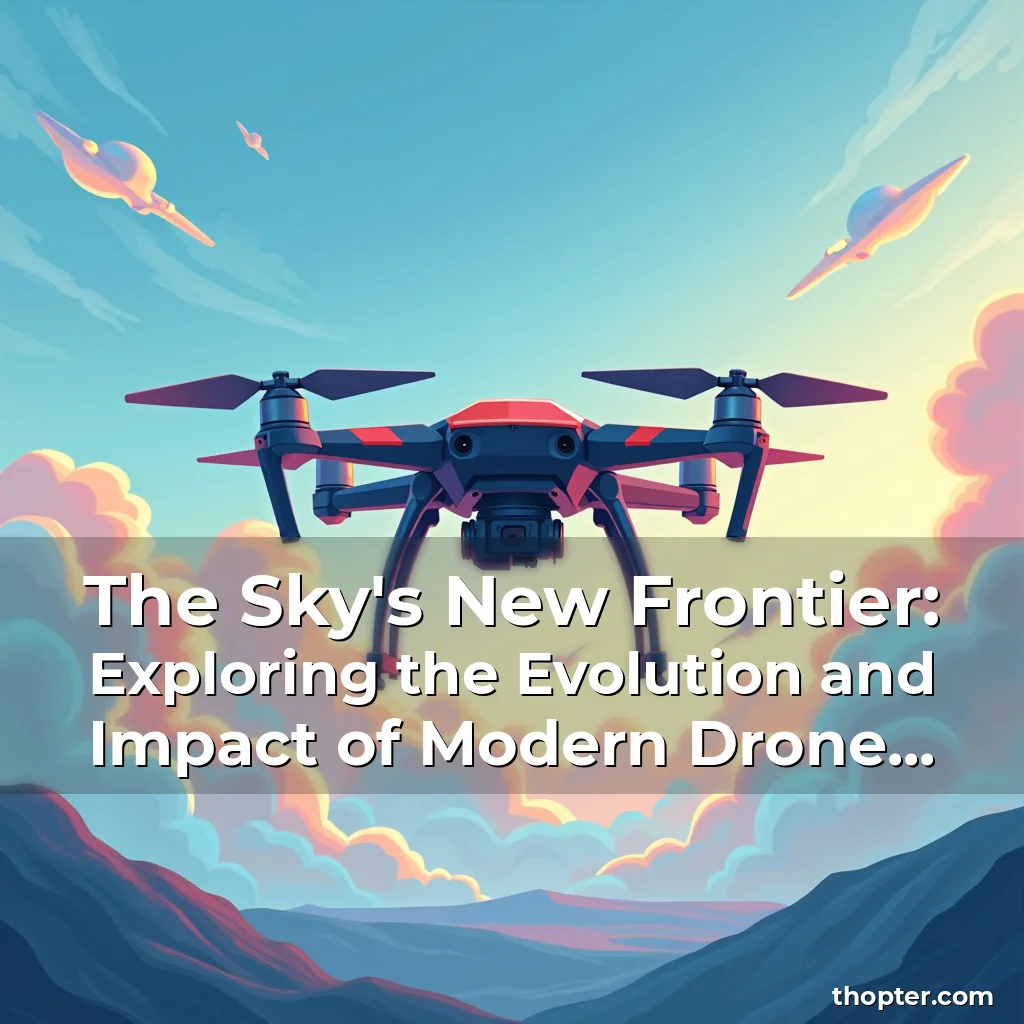
In an era where technology continues to redefine human capabilities, drone technology stands at the forefront of innovation, reshaping industries from agriculture to emergency response. These unmanned aerial vehicles (UAVs) have transcended their initial military applications to become versatile tools that influence nearly every sector of modern life.
From delivering medical supplies across remote regions to capturing breathtaking aerial photography, drones are redefining how we interact with our environment. Their rapid development has sparked both excitement and concern among professionals and enthusiasts alike, making them a focal point within communities such as the thopter enthusiast circles.
The Genesis of Drone Technology
Drones trace their origins back to the early 20th century when they were primarily used for reconnaissance during World War I. These rudimentary devices lacked advanced features but laid the groundwork for future innovations in flight control and navigation systems.
Fast forward several decades, and the Cold War saw significant advancements in drone design aimed at espionage missions. The introduction of remotely piloted aircraft marked a pivotal shift towards automated operations without direct pilot involvement.
- Military Applications: Initially developed for surveillance and combat roles, drones equipped with cameras provided critical intelligence while minimizing risk to human pilots.
- Technological Advancements: Innovations such as GPS integration, improved battery efficiency, and lightweight materials revolutionized drone functionality over time.
The Rise of Civilian Drones and Regulatory Frameworks
As consumer-grade drones became increasingly accessible, regulatory bodies worldwide faced new challenges regarding safety standards and airspace management. This period witnessed a surge in demand for guidelines governing commercial versus recreational usage.
Countries began implementing strict regulations to ensure public safety while fostering responsible drone operation practices. For instance, the Federal Aviation Administration (FAA) introduced rules requiring registration for certain types of drones operated by individuals or businesses.
Global Regulations Overview
Nation-states vary significantly in their approach toward regulating civilian drones; some impose stringent restrictions whereas others adopt more flexible policies encouraging technological growth. Understanding these differences is crucial for global operators seeking compliance across borders.
This diversity presents opportunities for international collaboration yet also poses complexities due to varying legal frameworks affecting cross-border operations involving UAVs.
Applications Across Industries
Drones now play integral roles across various sectors including agriculture, construction, media production, and environmental monitoring. Their ability to collect data efficiently makes them invaluable assets in numerous professional fields.
Agricultural enterprises utilize drones fitted with multispectral sensors to monitor crop health, enabling precise application of fertilizers and pesticides based on real-time analytics derived from aerial imagery.
- Construction Monitoring: On-site progress tracking using high-resolution imaging allows project managers to assess developments accurately without physically visiting locations frequently.
- Media Production: Filmmakers benefit immensely from drone-mounted cameras capable of capturing dynamic shots previously unattainable through traditional methods.
Educational and Research Opportunities
Beyond industry applications, educational institutions recognize the value of incorporating drone technology into curricula. Programs focused on robotics engineering often include hands-on experience with building and programming autonomous flying machines.
Universities partner with tech companies to develop cutting-edge research initiatives centered around AI-driven navigation algorithms and enhanced sensor technologies applicable beyond mere entertainment purposes.
Student Projects and Innovation Competitions
Students engage actively in competitions that challenge teams to create innovative solutions utilizing drone platforms—these events foster creativity alongside technical skill development essential for tomorrow’s engineers.
Such activities not only enhance learning outcomes but also contribute meaningfully towards advancing current limitations inherent in existing drone models.
Safety Considerations and Ethical Implications
With widespread adoption comes heightened awareness concerning privacy issues associated with drone usage. Individuals must navigate ethical dilemmas surrounding unauthorized surveillance potentially infringing upon personal freedoms.
Manufacturers continue developing anti-collision systems designed specifically to prevent mid-air incidents between manned aircraft and UAVs—an ongoing effort ensuring safer skies for everyone involved.
- Privacy Concerns: There exists considerable debate regarding permissible limits placed upon what constitutes acceptable photographic documentation via drone cameras.
- Collision Avoidance Systems: Advanced radar detection units coupled with machine learning techniques enable real-time identification threats posed by other airborne objects.
Futuristic Developments and Emerging Trends
The horizon promises exciting breakthroughs poised to further transform drone functionalities—from swarming behaviors mimicking natural formations observed in insect colonies up through fully autonomous delivery networks managed entirely by artificial intelligence.
Researchers explore integrating blockchain technology into drone communication protocols enhancing security measures against cyber threats targeting sensitive information transmitted wirelessly.
- Swarm Intelligence: Future generations may witness coordinated groups performing complex tasks simultaneously under centralized command structures akin those found naturally amongst social insects.
- Autonomous Delivery Networks: Companies envision fleets operating independently delivering goods swiftly across vast distances reducing reliance solely on conventional transportation infrastructures.
- Custom Modifications: Many hobbyists experiment extensively altering stock components aiming achieve optimal performance characteristics tailored precisely according to individual preferences.
- Troubleshooting Sessions: Regular meetups facilitate problem-solving scenarios helping newcomers overcome obstacles typically arising post-purchase phase before full operational proficiency attained.
Community Engagement and Thopter Enthusiasts
Within niche communities like the thopter enthusiast group, members share experiences ranging from custom builds featuring modified propulsion systems right down to troubleshooting common mechanical failures encountered during flights.
These gatherings serve dual purposes—not merely exchanging knowledge but also strengthening bonds formed through shared interests related closely tied together under broader umbrella encompassing aviation aficionados globally.
Conclusion
Modern drone technology represents much more than just another gadget—it signifies profound shifts occurring rapidly across diverse domains impacting daily lives unexpectedly yet beneficially so.
By embracing continuous learning opportunities available whether through formal education channels or informal exchanges happening regularly inside specialized forums devoted exclusively toward promoting deeper understanding around evolving aspects pertaining especially to thopters’ potential futures ahead.