
It’s been a decade since Jeff Bezos, then Amazon’s CEO, took 60 Minutes to announce that Amazon was on the cusp of deploying drones that would deliver packages to homes in under 30 minutes. Since then, the concept has gained momentum, but one of the biggest hurdles to its widespread adoption has been the need for a coordinated system to manage and accommodate the large-scale deployment of drones.
The Problem of Air Traffic Control
A key challenge has been how to manage the air traffic control system for large numbers of drones without overloading it. Air traffic controllers, busy managing takeoffs and landings, would struggle to oversee the fleets of package-delivering drones promised by Amazon. To address this problem, Parimal Kopardekar, director of the NASA Aeronautics Research Institute, began thinking about the need for a system that could accommodate large-scale drone operations.
A Solution Emerges
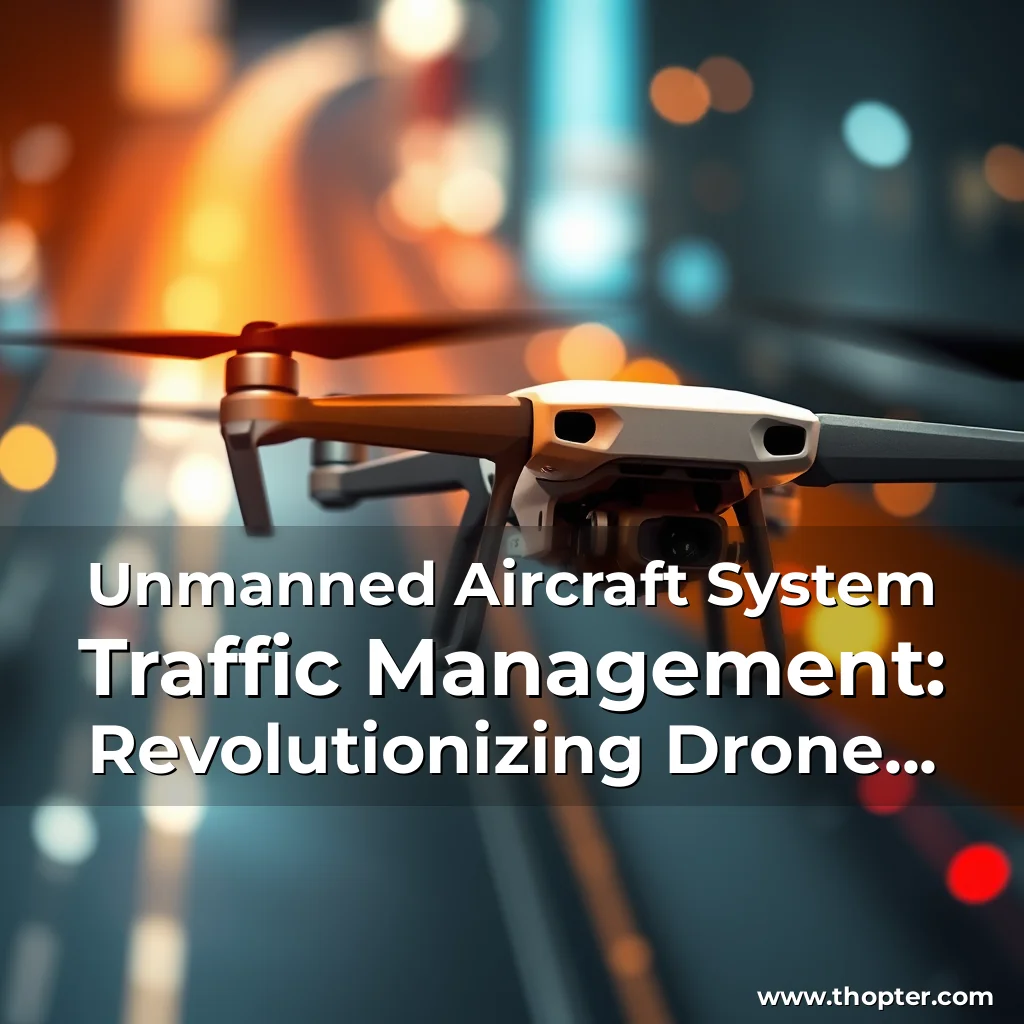
Kopardekar’s solution was the development of an unmanned-aircraft-system traffic management system, or UTM. This system involves the sharing of flight paths between drones via a cloud-based network, rather than relying on verbal communication with air traffic controllers. This approach has the potential to significantly improve the efficiency and safety of drone operations.
- UTM uses path planning algorithms to chart a course that considers weather and obstacles, as well as the flight paths of nearby drones.
- The system automatically reroutes flights if another drone has reserved the same volume of airspace at the same time, making the new flight trajectory visible to subsequent pilots.
- UTM enables drones to fly autonomously to and from their destination, and no air traffic controller is required.
Overcoming Midair Collisions
One of the biggest obstacles to wider drone adoption has been concern over midair collisions. However, recent advancements in UTM have made it possible for drones to safely navigate around each other. The system uses a combination of path planning algorithms and real-time data sharing to ensure that drones are aware of their surroundings and can avoid collisions.
Collaboration and Regulation
The success of UTM relies on the collaboration of multiple stakeholders, including drone operators, researchers, and industry experts. The system has enabled companies like Zipline and Wing to work together to ensure that their flights are conflict-free. The FAA has also released guidelines for UTM, which have helped to establish a framework for safe and efficient drone operations.
| Stakeholders | Role |
|---|---|
| Drone operators | Share flight paths and data with other drones and UTM systems. |
| Researchers | Develop and test new technologies and algorithms to improve UTM. |
| Industry experts | Advise on the development and implementation of UTM regulations. |
| FAA | Develop and enforce guidelines for UTM, including Part 108. |
Future of Drone Operations
The development of UTM has the potential to revolutionize drone operations, enabling companies like Amazon and others to deliver packages and services in a safe and efficient manner. With the FAA expected to release a new rule, Part 108, which may allow operators to fly beyond visual line of sight, the stage is set for the widespread adoption of UTM.
“We all agree that we need to collaborate on the practical, behind-the-scenes nuts and bolts to make sure that this preflight deconfliction for drones works really well.” – Peter Sachs, head of airspace integration strategy at Zipline
As the drone industry continues to evolve, it’s clear that UTM will play a critical role in ensuring the safe and efficient operation of drones.